Get your free personalized podcast brief
We scan new podcasts and send you the top 5 insights daily.
Contrary to the typical definition of external collaboration, BMW uses "open innovation" to describe its internal platform for its 40,000-person workforce. This approach focuses on tapping the creativity of existing employees, giving them a structured platform to be heard and to see their ideas come to life within the company.

Related Insights
Debunking the 'lone genius' myth is crucial for building an innovative culture. By defining innovation as a structured process, organizations can teach the methodology and empower everyone to contribute. This reframing makes innovation accessible and repeatable, rather than a rare event dependent on a few creative individuals.
P&G institutionalized cross-functional learning through 'communities of practice.' These informal, topic-based gatherings, like lunchtime talks, expose employees to diverse projects and thought leaders, fostering collaboration and sparking new ideas that might not emerge from formal project work.
Innovation isn't just for products; it applies to organizational design. Phil Burks used an innovation framework to rethink his company's structure and culture, focusing on the principle of "build the people, and they will build the company." This embeds innovative capacity deep within the organization.
BMW's program is not just about sourcing ideas but developing talent. When an employee's idea is selected, they are coached through hands-on design thinking workshops. This process helps them refine their concept and develop entrepreneurial skills, effectively creating 'innovation leaders' from all levels of the organization, including the assembly line.
To transform the 320,000-person company, Siemens' leadership avoided a top-down restructuring mandate. Instead, they defined a clear "North Star" vision and then empowered employees to co-create the "tracks" (initiatives) to reach it, fostering broad buy-in and ownership.

To manage its internal idea-sourcing platform, Walmart requires employees to align submissions with one of five core strategic intents. This simple filter streamlines intake, prevents an influx of irrelevant ideas, and ensures that even disruptive concepts support the company's overall direction.

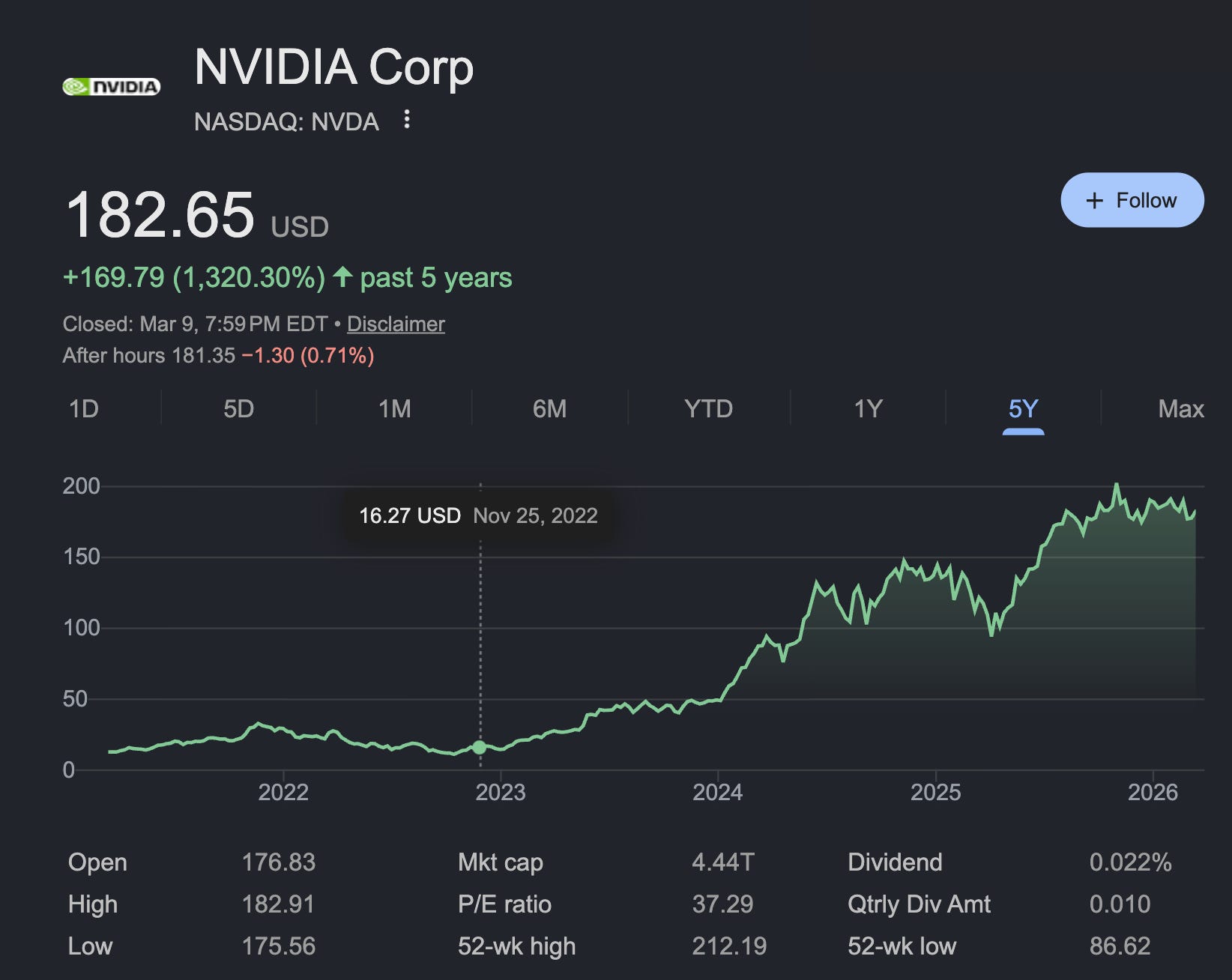
Unlike typical large corporations with rigid roles, NVIDIA encourages a fluid structure where employees can pursue their interests and propose new initiatives. This "pickup basketball" culture allows talent to self-organize around compelling projects, leading to state-of-the-art work across many domains.
BMW's innovation strategy for the Americas is driven by a lean team of four. Their success comes from building systems and processes that empower the entire workforce to contribute, rather than innovating themselves. They act as facilitators and connectors, proving that a small, strategic team can foster a large-scale innovation culture.
Elf's CEO hosts product review meetings every two weeks that are open to all employees, regardless of role. He actively monitors the meeting's chat for feedback, believing the best ideas can come from anyone, like an inventory planner with a contrarian view on a new product.

Many corporate idea platforms fail as employees feel ignored. BMW avoids this by providing clear feedback on why ideas aren't selected and, crucially, making the progress of successful ideas visible to all. This proves the system's legitimacy and motivates continued participation, even from those whose ideas were previously rejected.