Get your free personalized podcast brief
We scan new podcasts and send you the top 5 insights daily.
As AI makes building software easier, real defensibility comes from 'relationship capital.' A founder's authentic connection with and deep understanding of a specific community allows them to predict and solve problems better than any generic AI, creating a founder-customer fit.

Related Insights
In the AI era, where technology can be replicated quickly, the true moat is a founder's credibility and network built over decades. This "unfair advantage" enables faster sales cycles with trusted buyers, creating a first-mover advantage that is difficult for competitors to overcome.

With AI commoditizing the tech stack, traditional technical moats are disappearing. The only sustainable differentiator at the application layer is having a unique insight into a problem and assembling a team that can out-iterate everyone else. Your long-term defensibility becomes customer love built through relentless execution.
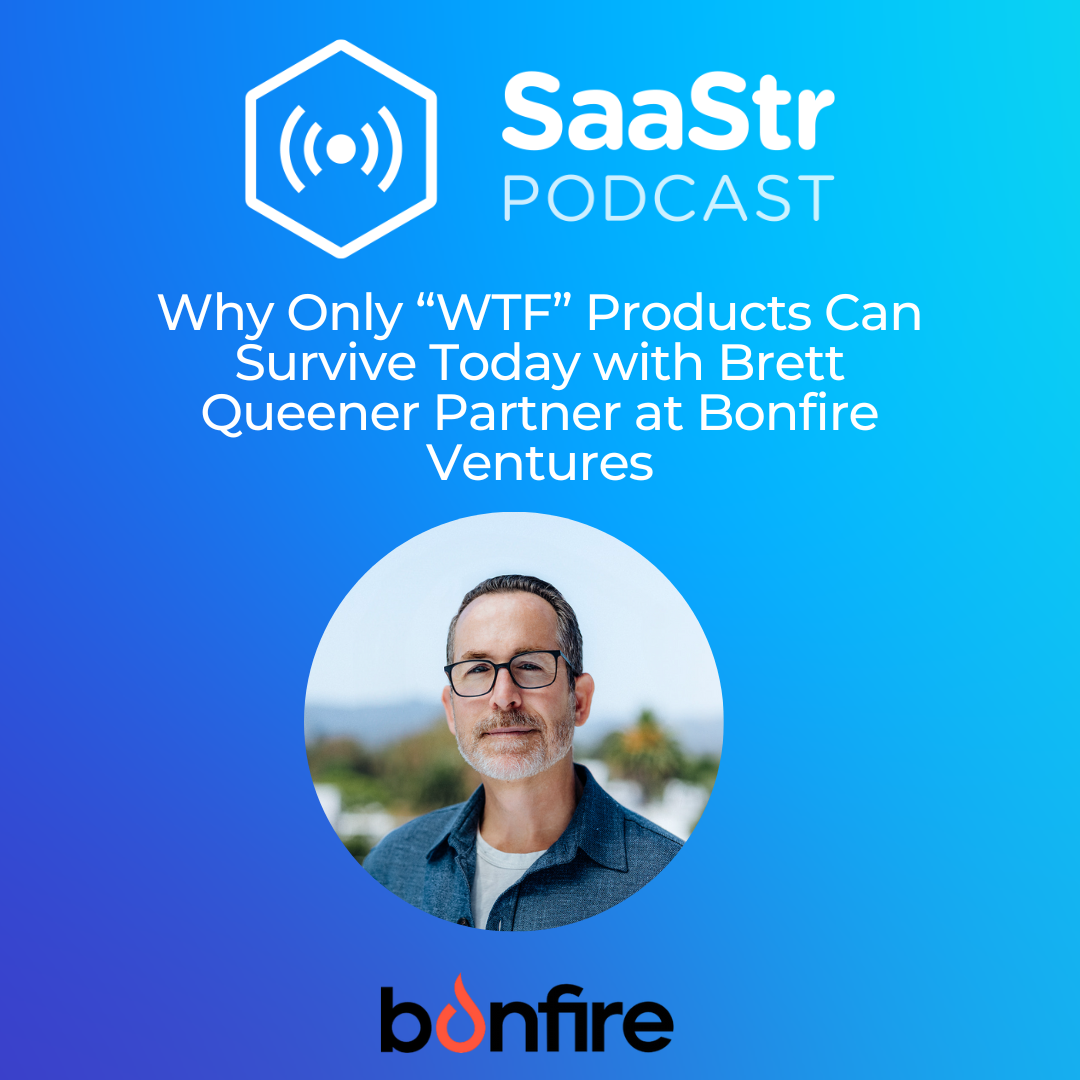
When asked if AI commoditizes software, Bravo argues that durable moats aren't just code, which can be replicated. They are the deep understanding of customer processes and the ability to service them. This involves re-engineering organizations, not just deploying a product.

As AI and no-code tools make software easier to build, technological advantage is no longer a defensible moat. The most successful companies now win through unique distribution advantages, such as founder-led content or deep community building. Go-to-market strategy has surpassed product as the key differentiator.

For entrepreneurs building on top of large language models, the key differentiator is not creating general platforms but achieving deep domain specialization. The call to arms is to know a vertical better than anyone and imbue that unique knowledge into AI agents, creating a defensible moat against more generalized tools.

While technical founders excel at finding an initial AI product wedge, domain-expert founders may be better positioned for long-term success. Their deep industry knowledge provides an intuitive roadmap for the company's "second act": expanding the product, aligning ecosystem incentives, and building defensibility beyond the initial tool.
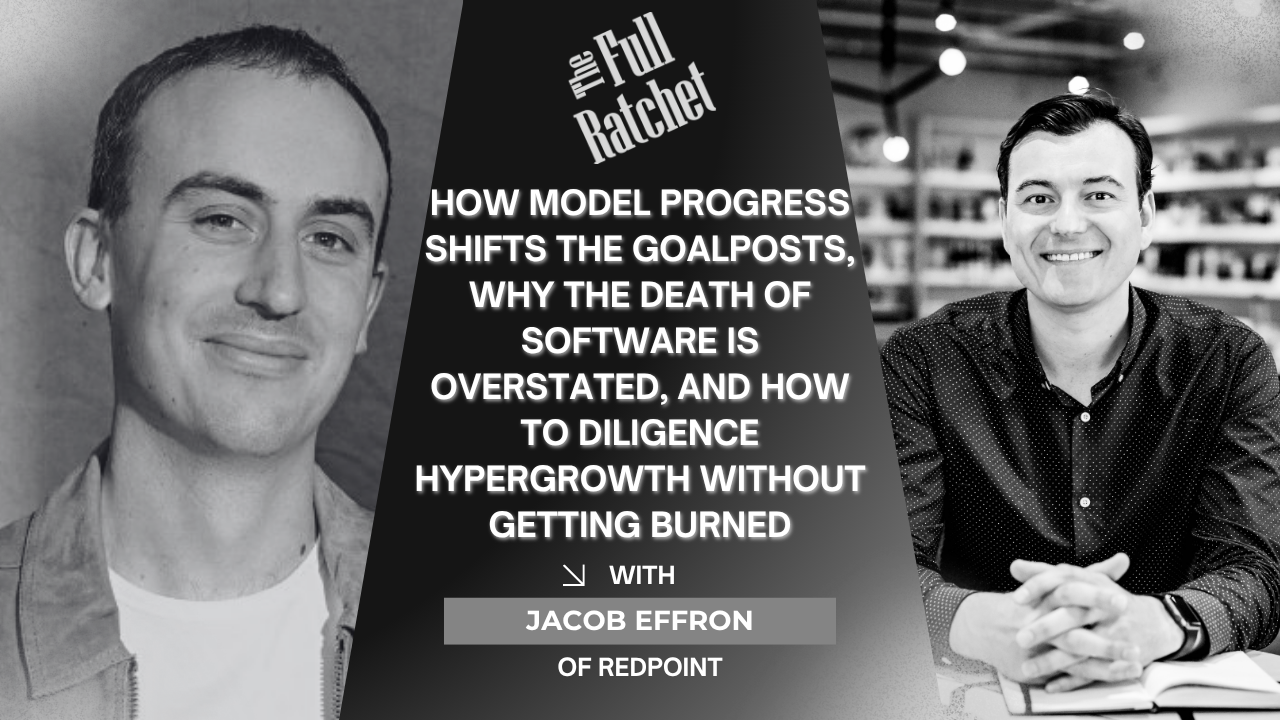
Simply using AI provides no competitive advantage, as it's a widely available tool. A true, defensible moat is created by combining AI's capabilities with your unique domain expertise, proprietary processes, and established relationships. AI should augment your existing strengths, not replace them.

As AI commoditizes technology, traditional moats are eroding. The only sustainable advantage is "relationship capital"—being defined by *who* you serve, not *what* you do. This is built through depth (feeling seen), density (community belonging), and durability (permission to offer more products).

In a fast-moving AI landscape, startups can create defensible moats by leveraging new tools to rapidly build solutions for highly specific customer needs. This deep personalization—for a niche provider, rare disease patient, or specific administrative workflow—creates a "wow moment" that large, generalist models struggle to replicate.

Advanced AI tools have made writing software trivially easy, erasing the traditional moat of technical execution. The new differentiators for businesses are non-technical assets like brand trust, distribution networks, and community, as the software itself has become instantly replicable.