Get your free personalized podcast brief
We scan new podcasts and send you the top 5 insights daily.
QuickBooks was created after Intuit discovered small business owners were using Quicken—a personal finance tool—for their businesses. This organic, unintended use case revealed a massive, underserved market, highlighting the power of analyzing user data for off-label adoption patterns.

Related Insights
A product designed for one demographic (e.g., protein sprinkles for kids) may find unexpected traction with entirely different groups (e.g., bodybuilders, GLP-1 users). Actively identifying and marketing to these surprise communities can unlock significant, unforeseen avenues for growth and brand adoption.

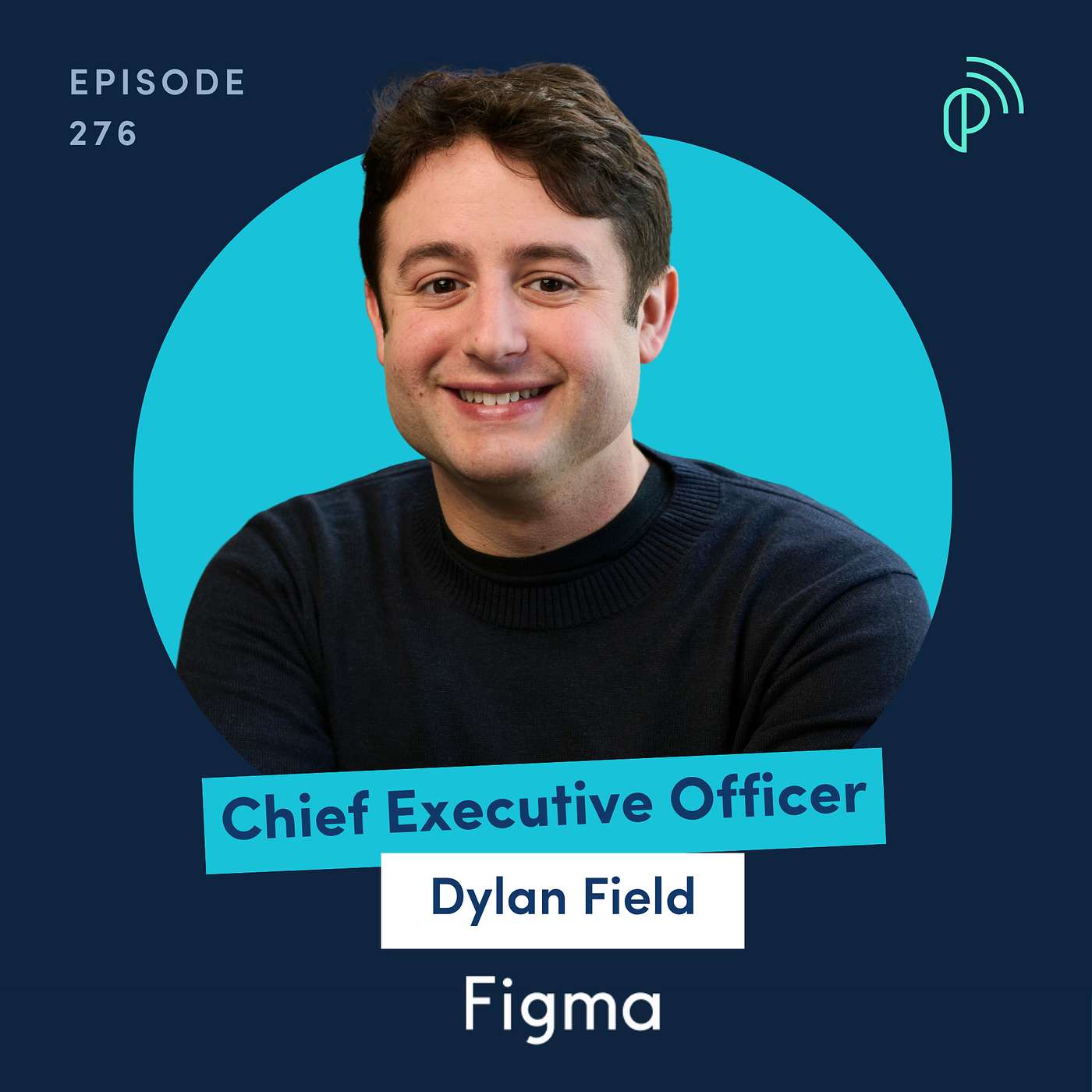
Figma's expansion into multiple products (FigJam, Slides) wasn't based on abstract strategy but on observing users pushing the main design tool to its limits for unintended use cases. Identifying these 'hacks' revealed validated market needs for dedicated products.
Intentionally create open-ended, flexible products. Observe how power users "abuse" them for unintended purposes. This "latent demand" reveals valuable, pre-validated opportunities for new features or products, as seen with Facebook's Marketplace and Dating features.

Major product opportunities are revealed by observing how customers use your product in unintended ways or "jump through hoops" to achieve a goal. For example, Anthropic noticed non-engineers struggling to use their coding tool, revealing the latent demand for CoWork, a knowledge-work assistant.

A genetic diagnostics machine was built to speed up patient diagnosis in hospitals. However, its biggest market turned out to be pharmaceutical companies needing to prove drug efficacy. This highlights how true product-market fit can be discovered accidentally in an adjacent, more lucrative market.

OpenAI discovered its tool, initially conceived for coding, was being used by a private equity firm for complex financial analysis. This customer feedback was so powerful it led to rebranding the product as 'Data Analysis,' demonstrating how emergent use cases can redefine an AI product's core market.

Zapier evolved from a simple trigger-action tool by observing how advanced users "hacked" it for unintended purposes. When users treated Google Sheets like databases, Zapier built Tables and Interfaces, proving that emergent behavior is the clearest signal for your product roadmap.

Identify how users are already "hacking" your product for unintended purposes (e.g., using Facebook Groups for commerce), then build dedicated features to serve that existing intent. You can't make people do new things, but you can help them do what they already want to do more easily.

Dynamic Signal's successful pivot from influencer marketing to employee advocacy came from accidentally discovering that employees were their most engaged and consistent users. The real opportunity was revealed by observing unplanned behavior, not by executing the original strategy.

When customers actively work around your product's intended functionality to solve a different problem, it's a powerful indicator of a more significant market need. Following this user behavior can lead to a successful pivot.
