Get your free personalized podcast brief
We scan new podcasts and send you the top 5 insights daily.
After acquiring their first campground, the founders realized they couldn't outsource management because "you can't outsource culture." To maintain the high-touch hospitality of the previous family owners and scale effectively, they built an in-house operations company instead of relying on third parties.

Related Insights
LEGO's CEO notes that absorbing new hires into the culture at its established HQ is easy due to the high density of tenured "culture carriers." The real challenge is scaling culture in new, specialized hubs, which requires a much more deliberate effort because that organic cultural osmosis is absent.
As a company grows, new hires lack the context of early struggles. To preserve the original culture, formally document and share stories of early failures, pivots, and near-death experiences during onboarding. This reminds everyone of the core principles that led to success.
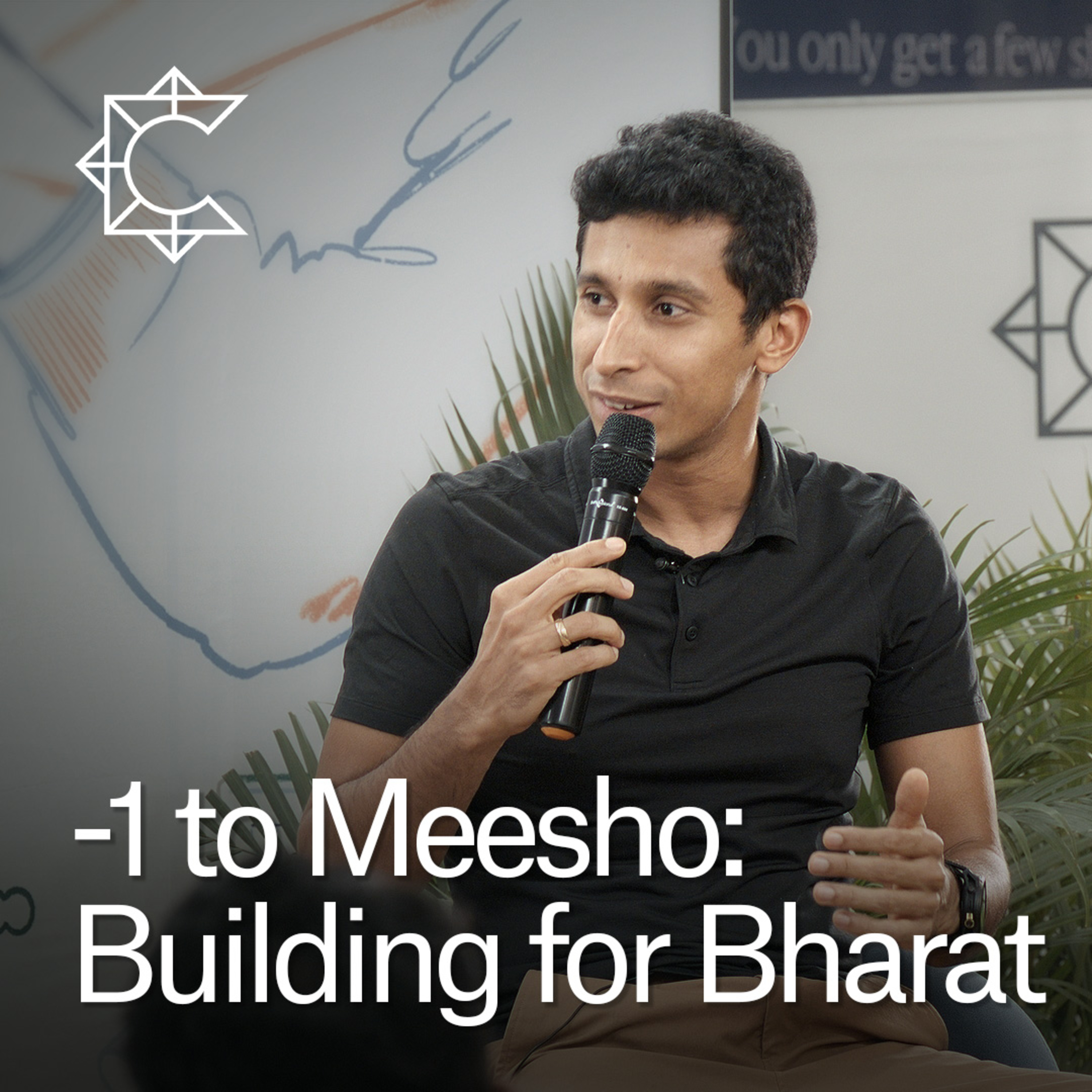
Base fosters a "chop wood, carry water" culture where leaders are still individual contributors. The founding team set this tone by writing the first code and installing the first batteries themselves. This ensures a hands-on, problem-solving mindset permeates the company as it scales.

The most scalable business approach is to invest in your team first. Well-cared-for employees are better equipped and more motivated to deliver exceptional service, creating a positive feedback loop that ultimately benefits the customer.

While a common scaling path, franchising is perilous for businesses whose value is a specific, high-touch experience or aesthetic. The difficulty of replicating a founder's unique "vibe" and maintaining quality control across locations can damage the brand, a risk even for simpler concepts like food service.

To scale from 100 to 1,000+ employees, you must stop interviewing everyone. Success depends entirely on the cultural foundation built with the first 100 people. By personally hiring and imbuing them with the company's core values, you create a group of leaders who can replicate that culture as the organization expands.

Running a diverse portfolio of businesses isn't about micromanagement but about delegation to deeply trusted individuals. This requires investing in people over years, treating them like family, and giving them ownership. The foundation of a multi-company empire is human infrastructure.
Products can be replicated and brands can be out-marketed, but deep customer relationships built through genuine, consistent hospitality are incredibly difficult for competitors to erode. This makes investing in intimacy a long-term strategic moat.
A business's core functions are attraction, conversion, and delivery. Ancillary functions like IT or finance can be outsourced. Since your brand is the primary driver of customer attraction, it's a core asset that must be managed by a dedicated in-house team, not an external agency.

Hamdi Ulukaya attributes Chobani's success in scaling without sacrificing product quality to his extreme operational commitment. For years, he rarely left the factory floor, ensuring standards were met firsthand. This underscores the value of deep, physical immersion for leaders in manufacturing and operations.