Get your free personalized podcast brief
We scan new podcasts and send you the top 5 insights daily.
Rising token costs from agentic workloads, geopolitical volatility shutting down key models, and predicted long-term compute shortages are creating a compelling business case for enterprises to adopt local AI to reduce vendor dependency and ensure continuity.

Related Insights
The sudden unavailability of a top-tier proprietary AI model reveals a critical business risk. Enterprises now see open-source models, run on local hardware, not just as a cost-saver but as a necessary strategy for predictable access and business continuity.
Relying on third-party APIs for AI is becoming unsustainable due to high token costs and the inherent security risk of uploading sensitive data. This will force a market shift toward powerful local hardware for running private, cost-effective models.

As AI becomes an essential utility for families, the cumulative monthly subscription cost for cloud models could reach hundreds of dollars. This economic pressure, more than just privacy concerns, will likely drive a significant shift toward one-time purchases of local hardware and open-source models.

The most heated topic among Fortune 500 CIOs is no longer which AI model is most powerful, but how to manage unpredictable and soaring token costs. Companies are struggling to find the right strategies—from workload prioritization to user-based access tiers—to create a predictable cost model in a rapidly evolving tech landscape.
The recent AI model ban has created demand for business continuity. A new startup opportunity is to offer a pre-configured local AI fallback layer as a service. This provides companies with insurance against their primary cloud provider being suddenly cut off, ensuring their AI workflows remain uninterrupted.

The high operational cost of using proprietary LLMs creates 'token junkies' who burn through cash rapidly. This intense cost pressure is a primary driver for power users to adopt cheaper, local, open-source models they can run on their own hardware, creating a distinct market segment.
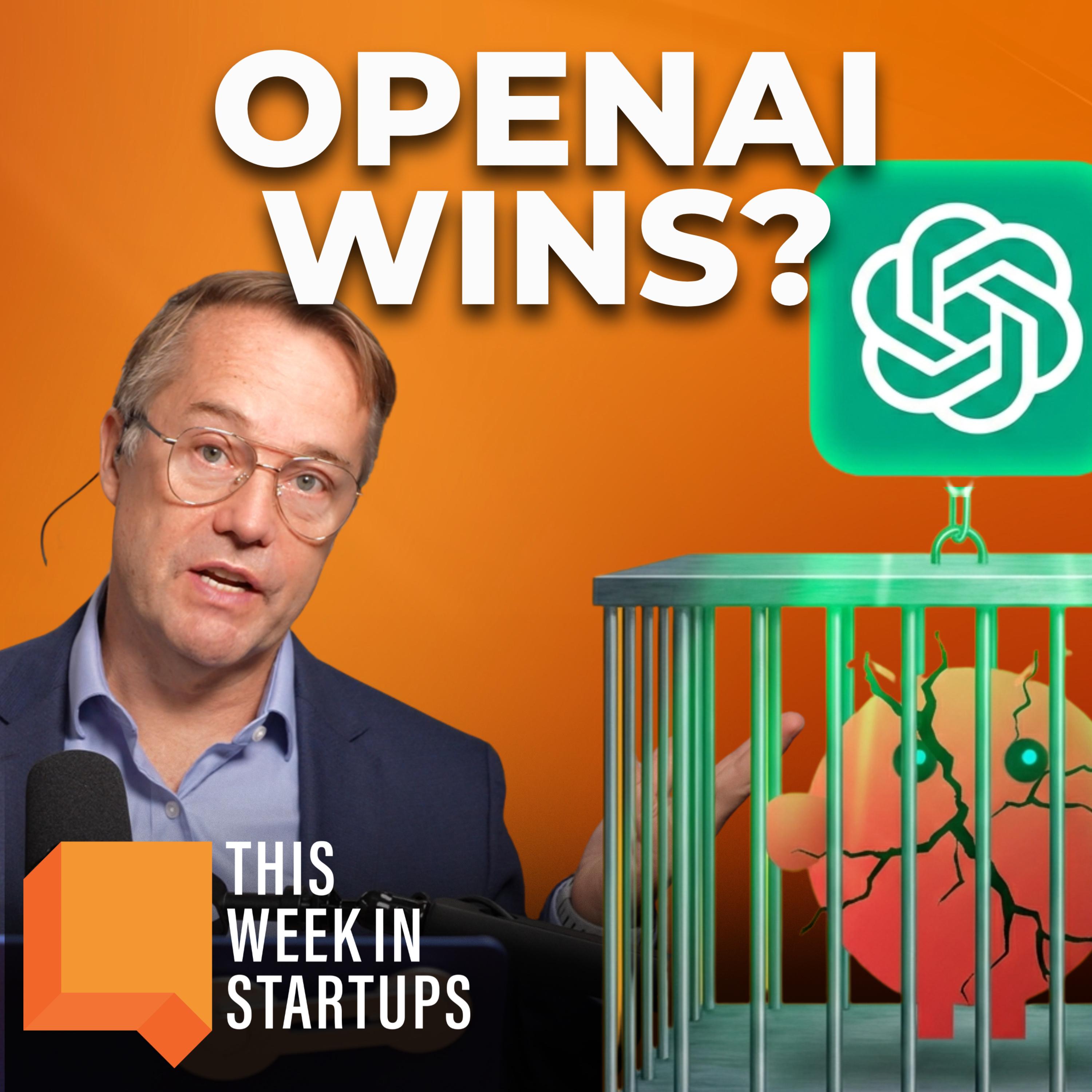
The high cost and data privacy concerns of cloud-based AI APIs are driving a return to on-premise hardware. A single powerful machine like a Mac Studio can run multiple local AI models, offering a faster ROI and greater data control than relying on third-party services.

Implementing local AI is a defensive measure, not just a cost-optimization tactic. It creates a 'shelter' for critical AI capabilities, ensuring they remain available during vendor outages, geopolitical disruptions, or internet failures, thus guaranteeing business continuity.
Instead of relying on expensive cloud models, startups will increasingly use powerful local workstations to run open-source models. This provides data privacy, eliminates token costs, and avoids platform competition, signaling a renaissance for powerful desktop computers in the developer community.

The evolution of AI towards complex, autonomous "agents" makes relying solely on the cloud slow and expensive, as users burn through token budgets. Nvidia's bet is that running these agents locally on powerful new PC chips will be faster and cheaper for consumers, driving a major hardware shift away from pure cloud computing.
