Get your free personalized podcast brief
We scan new podcasts and send you the top 5 insights daily.
After his exit, the founder found that buying a G-Wagon and nice watches provided only fleeting happiness. The most meaningful joy came from buying his parents a beach house in cash, allowing them to retire mortgage-free.

Related Insights
The justification for a dream home isn't financial appreciation but its ability to generate joy and connection. By serving as a gathering place for family, friends, and peers, the home becomes an investment in relationships and memories, making its emotional and social return the primary metric of success.
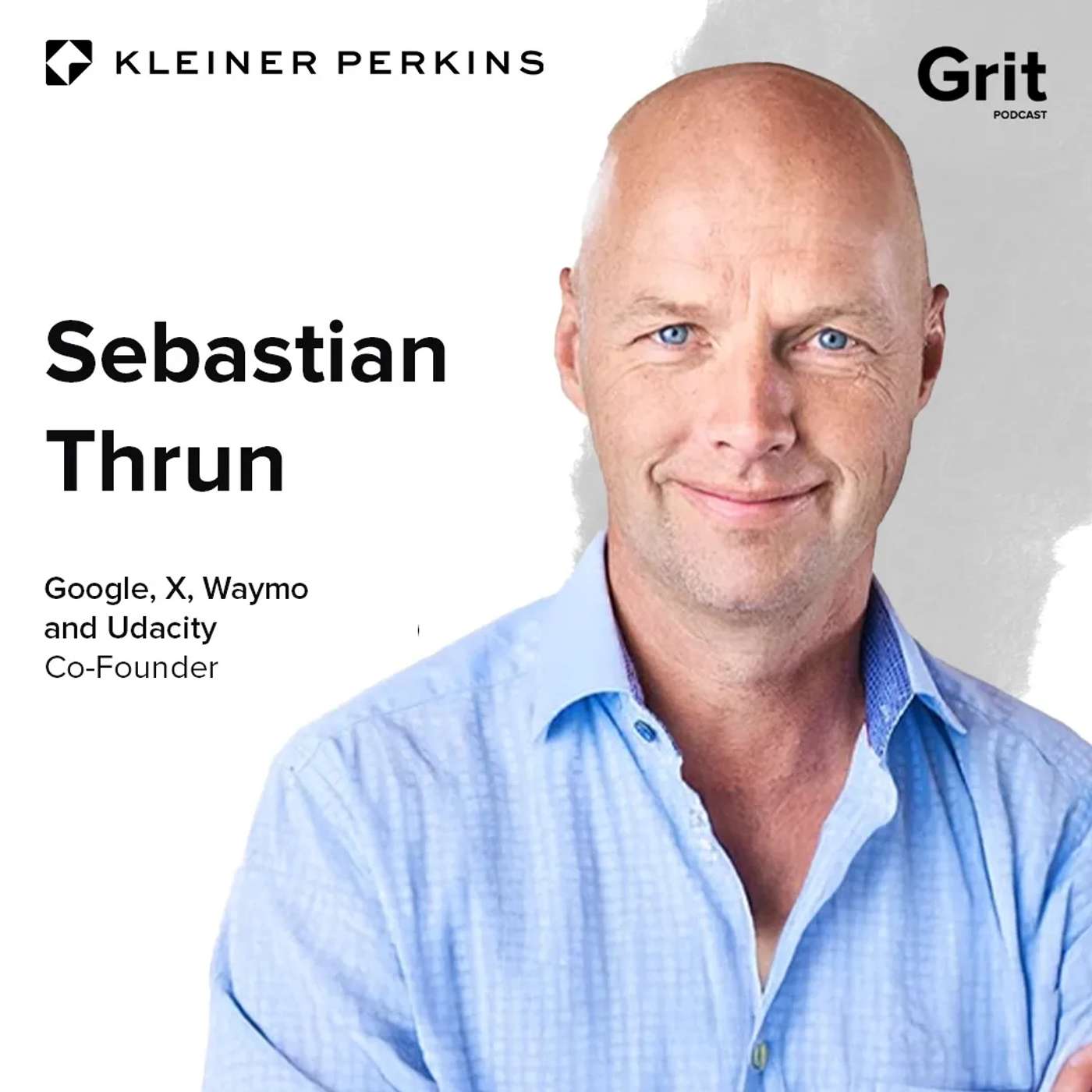
Sebastian Thrun bought a Ferrari to test if wealth brought happiness, but found it provided "zero days" of joy. He concluded that beyond basic needs, managing wealth is a time-consuming distraction that creates work (defending, growing, spending it) rather than enabling impactful creation.
The impact of money is greatest when people are young and establishing their lives. Bill Perkins argues for gifting wealth to children in their 20s or 30s, when it can fund a home or family, rather than as a large inheritance in their 60s when they are already financially stable.
A consistent pattern among wealthy founders reveals that worthwhile purchases enhance life by creating more time, improving health, and fostering calm. In contrast, purchases focused on status items like cars and watches are often regretted because they add complexity and responsibility without improving well-being.
The most profound professional achievement for a founder isn't just the exit, but creating significant economic security for the team. This shifts the focus from personal wealth to shared prosperity, defining legacy by the number of employees who became millionaires alongside the founder.

After achieving financial success, the most valuable asset isn't money but the freedom of choice. This includes the ability to live a simple life by design, to not worry about small things, and to decide what truly matters, which is a far greater luxury than material possessions.
When money is tight, people desire material possessions. However, once they achieve true financial freedom, the desire for 'stuff' often vanishes. The focus shifts entirely to non-material assets like experiences, health, and quality time.

The pursuit of luxury items, like a Lamborghini, often stems from a desire for external validation, which is fleeting. Such a purchase will only bring lasting joy if it connects to a deep, intrinsic passion—like a love for automotive engineering—rather than an attempt to buy happiness or status.

Despite having the funds, a majority of founders regret making large 'trophy' purchases right after selling. The sentiment that 'the things you own end up owning you' holds true, as these assets add new responsibilities and stress during a major life adjustment.
One speaker's best investment wasn't in stocks but in moving to a new city, simplifying his life, and being closer to family. This emotional investment yielded significant returns in happiness and well-being, highlighting that not all valuable investments are financial.
