Get your free personalized podcast brief
We scan new podcasts and send you the top 5 insights daily.
In private markets, there's a perverse incentive for both private equity owners and private credit lenders to avoid marking down asset values. This "mark to make-believe" system keeps valuations artificially high, hiding underlying financial stress and delaying the recognition of losses.

Related Insights
Howard Marks warns that during a downturn, private credit managers may avoid recognizing defaults by simply extending loan terms for struggling companies. This 'extend and pretend' strategy can mask underlying problems, keeping assets marked artificially high and delaying a painful reckoning for investors.

The market's liquidity crisis is driven by a fundamental disagreement. Limited Partners (LPs) suspect that long-held assets are overvalued, while General Partners (GPs) refuse to sell at a discount, fearing it will damage their track record (IRR/MOIC) and future fundraising ability. This creates a deadlock.

Private equity and venture capital funds create an illusion of stability by avoiding daily mark-to-market pricing. This "laundering of volatility" is a core reason companies stay private longer. It reveals a key, if artificial, benefit of private markets that new technologies like tokenization could disrupt.

Private equity giants like Blackstone, Apollo, and KKR are marking the same distressed private loan at widely different values (82, 70, and 91 cents on the dollar). This lack of a unified mark-to-market standard obscures true risk levels, echoing the opaque conditions that preceded the 2008 subprime crisis.
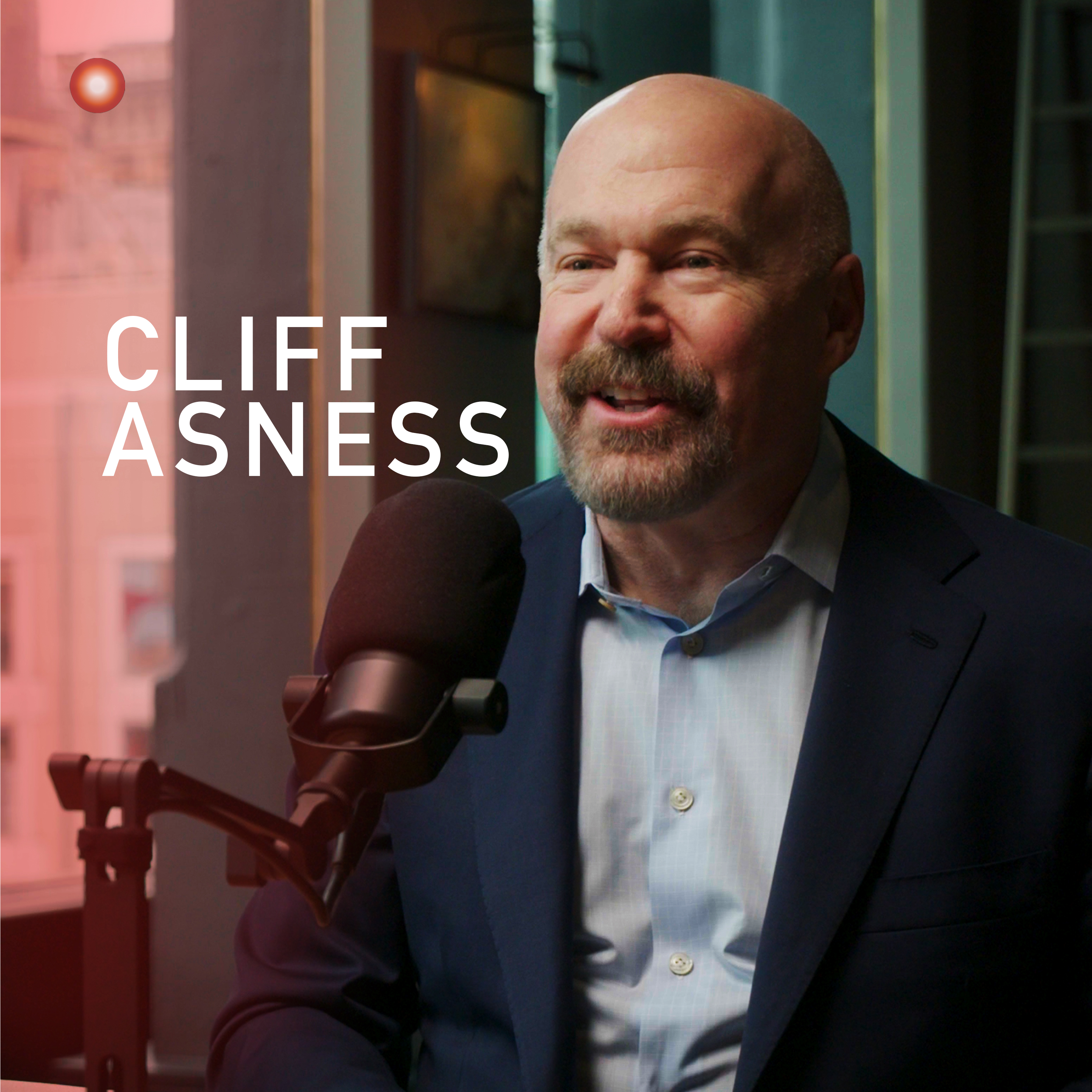
Cliff Asness coined the term "volatility laundering" to describe how private equity masks its true risk. The strategy is fundamentally levered equity, which is highly volatile. By not marking to market daily, firms smooth returns and report low volatility—an accounting fiction, not an economic reality.
The absence of daily pricing in private credit removes an essential discipline. Mark-to-market in public markets acts as an honest, early warning system that forces managers to scrutinize underperforming assets, a mechanism private lenders lack.

A consistent 2-5% of Europe's public high-yield market restructures annually. The conspicuous absence of a parallel event in private markets, which often finance similar companies, suggests that opacity and mark-to-model valuations may be concealing significant, unacknowledged credit risk in private portfolios.
Jeff Gundlach argues private credit's attractive Sharpe ratio is misleading. Assets aren't priced daily, hiding risk. When an asset is finally marked, it can go from a valuation of 100 to zero in weeks, exposing the “low volatility” as a dangerous fallacy.

Howard Marks argues that private credit's apparent low volatility during market downturns is not magic but an accounting feature. By not marking to market daily, it mimics the psychological trick of simply not looking at your public portfolio's value, creating a potentially false sense of security for investors.
Lenders allow struggling borrowers to skip cash interest payments by adding the amount to the loan's principal balance. This practice, called 'Payment in Kind' (PIK), hides defaults, artificially inflates asset values, and creates a deceptively low official default rate, masking escalating risk within the system.