Get your free personalized podcast brief
We scan new podcasts and send you the top 5 insights daily.
SpaceX is seeking FCC approval for a massive satellite data center network far ahead of its technological capability. This "permission first, technology later" approach is a deliberate strategy to clear regulatory hurdles early, ensuring that when the tech is ready, bureaucratic delays won't slow deployment.

Related Insights
The entire strategy of building data centers in space is only economically feasible because SpaceX's Starship is projected to increase launch capacity by 20 times and drastically lower costs. This specific technological leap turns a sci-fi concept into a viable business model.
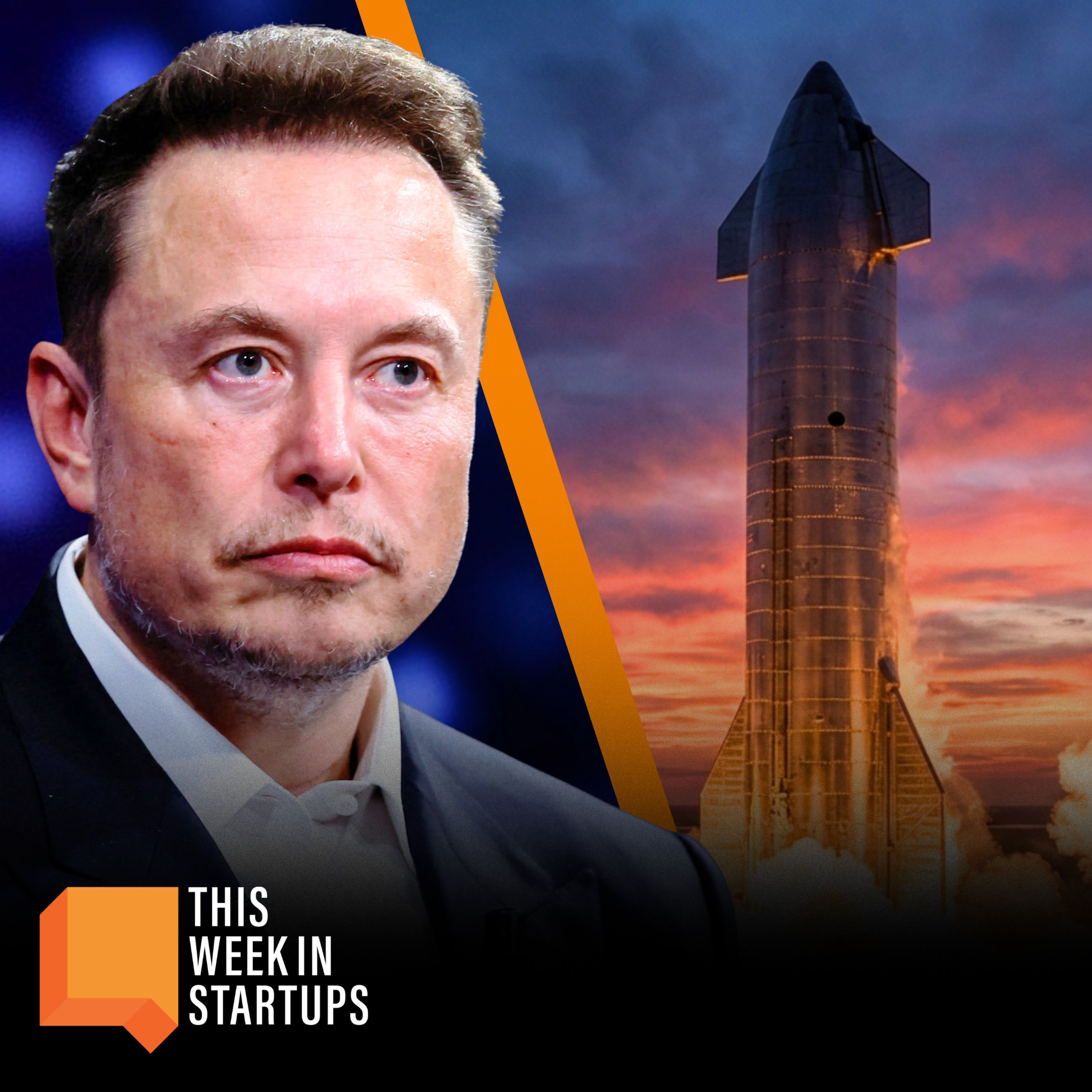
The grand proposal for a million-satellite orbital data center serves a dual purpose. It's not just about future technology; it's a strategic narrative play to convince potential IPO investors that SpaceX is a major player in the lucrative AI space, not merely a rocket and satellite internet company.
Contrary to speculation, SpaceX's IPO narrative around space-based data centers is not a marketing ploy to cover slowing growth. The company believes it's the cheapest long-term compute solution and requires public capital to fund the massive, capital-intensive vision.
Following predictions from Jeff Bezos and investments from Eric Schmidt, Elon Musk has entered the space-based data center race. He stated that SpaceX will leverage its existing Starlink V3 satellites, which already have high-speed laser links, to create an orbital cloud infrastructure, posing a significant challenge to startups in the sector.

The merger between SpaceX and xAI is being justified by the strategic narrative of building "data centers in space." This positions SpaceX's satellite network not just as a communications provider but as the essential physical infrastructure for a future AI-driven world, providing a rationale for combining rockets and AI.

The concept of space-based data centers rapidly shifted from a niche sci-fi idea to a serious initiative backed by giants like Nvidia, Google, and SpaceX. This demonstrates how quickly the Overton window can move on capital-intensive, ambitious "hard tech" projects when key industry leaders publicly commit.
Musk's ambitious plan for space-based data centers is more than a technological dream; it's a strategic response to rising terrestrial opposition. Growing local backlash against data centers creates a future scenario where building on Earth becomes so politically difficult that expensive off-world alternatives become a viable option.
A key rationale for merging SpaceX and Elon Musk's XAI is to fund the development of data centers in orbit. The logic is that space provides free, extreme cooling and unlimited solar energy, solving two of the biggest cost and physical constraints of terrestrial AI infrastructure.

The tech industry has the knowledge and capacity to build the data centers and power infrastructure AI requires. The primary bottleneck is regulatory red tape and the slow, difficult process of getting permits, which is a bureaucratic morass, not a technical or capital problem.

The futuristic idea of space-based data centers is framed not as an immediate technical plan but as a powerful narrative for a potential SpaceX IPO. This story creates an immense, futuristic total addressable market required to justify a multi-trillion-dollar valuation, a classic Musk strategy for attracting public market capital.
