Get your free personalized podcast brief
We scan new podcasts and send you the top 5 insights daily.
AI tools shouldn't just replace tedious work; they should enable leaders and professionals to shift their focus to higher-level strategic thinking. This is framed as evolving one's role, much like hiring a direct report, allowing for a move from being a "timekeeper" to a "clock builder."

Related Insights
AI transforms the Executive Assistant role from tactical execution to strategic system design. By automating repetitive tasks, EAs can focus on higher-leverage activities like building AI agents, culture-reinforcement tools, and scalable feedback systems for the entire organization.

The common fear of AI eliminating jobs is misguided. In practice, AI automates specific, often administrative, tasks within a role. This allows human workers to offload minutiae and focus on uniquely human skills like relationship building and strategic thinking, ultimately increasing their leverage and value.

Viewing AI as just another tool to be handled by IT or consultants is a mistake. Like leadership or sales, using AI as a strategic thought partner is a core skill that leaders must personally master to stay relevant and drive significant growth in their careers and businesses.

Frame internal AI initiatives not as a way to replace employees, but to automate their chores. This frees them to move 'up the stack' to perform higher-value functions like client relations, creative strategy, and founder meetings, ultimately increasing overall output.
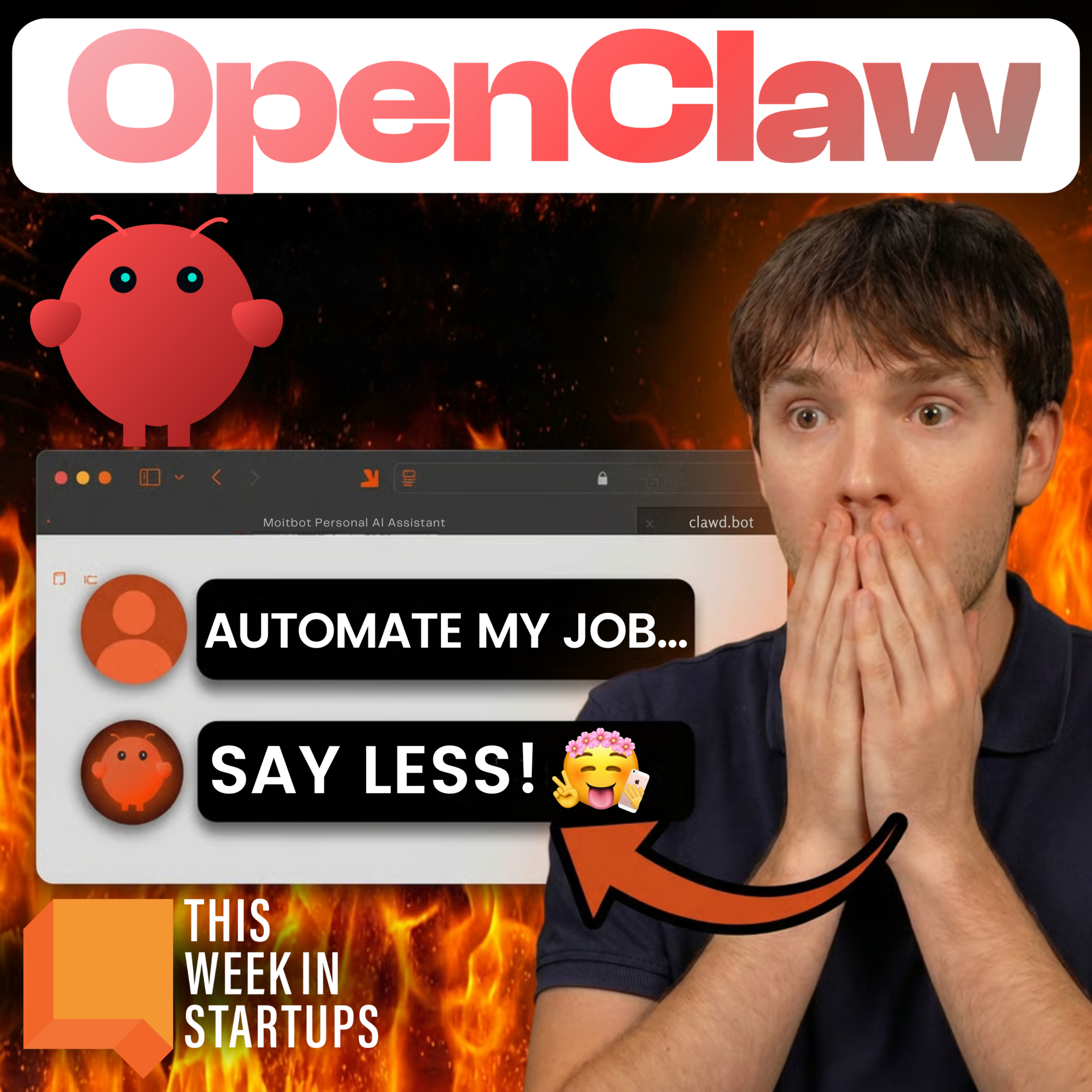
The automation vs. augmentation debate depends on job seniority. For senior leaders, AI acts as a strategic thought partner, enhancing decision-making. For entry-to-mid-level roles focused on tactical execution, AI is more likely to automate tasks, leading to significant role changes.

AI will be a substitute for routine tasks but a complement for strategic work. Professionals will see rote work automated, forcing them to move "upstream" to higher-value advisory roles. The career imperative is to find where AI enhances, rather than replaces, your skills.

The real risk of AI is not direct replacement, but becoming obsolete by clinging to old workflows. Leaders who intentionally use AI to automate tactical work and clear a path for uniquely human tasks—like judgment and direction-setting—will thrive. Stagnation is the real threat.

AI acts as a force multiplier, giving individuals the leverage of a large team. Using AI effectively requires skills similar to a CEO: setting clear direction (prompting), sensing market needs, and verifying output. This reframes AI's role from job replacement to personal empowerment.

The key career strategy in the AI era is to shift from being an "occupant of a role" to an "owner of a workflow." Use AI not just to do your job faster, but to become so productive you can single-handedly deliver outcomes that previously required an entire team, thus making yourself irreplaceable.

The true power of AI for leaders isn't just automating tasks for productivity gains. It's about clearing cognitive clutter from back-to-back meetings and administrative work. This creates invaluable 'space' for strategic thinking, creativity, and higher-impact leadership activities that were previously squeezed out.
