Get your free personalized podcast brief
We scan new podcasts and send you the top 5 insights daily.
The automation vs. augmentation debate depends on job seniority. For senior leaders, AI acts as a strategic thought partner, enhancing decision-making. For entry-to-mid-level roles focused on tactical execution, AI is more likely to automate tasks, leading to significant role changes.

Related Insights
As AI automates entry-level knowledge work, human roles will shift towards management. The critical skill will no longer be doing the work, but effectively delegating to and coordinating a team of autonomous AI agents. This places a new premium on traditional management skills like project planning and quality control.

The common fear of AI eliminating jobs is misguided. In practice, AI automates specific, often administrative, tasks within a role. This allows human workers to offload minutiae and focus on uniquely human skills like relationship building and strategic thinking, ultimately increasing their leverage and value.

Frame internal AI initiatives not as a way to replace employees, but to automate their chores. This frees them to move 'up the stack' to perform higher-value functions like client relations, creative strategy, and founder meetings, ultimately increasing overall output.
The strategic narrative for AI integration is shifting from automation (replacement) to augmentation (collaboration). Augmentation positions AI as an assistant that enhances human skills, enabling teams to achieve outcomes that neither humans nor AI could accomplish independently. This fosters a more inclusive and productive environment.
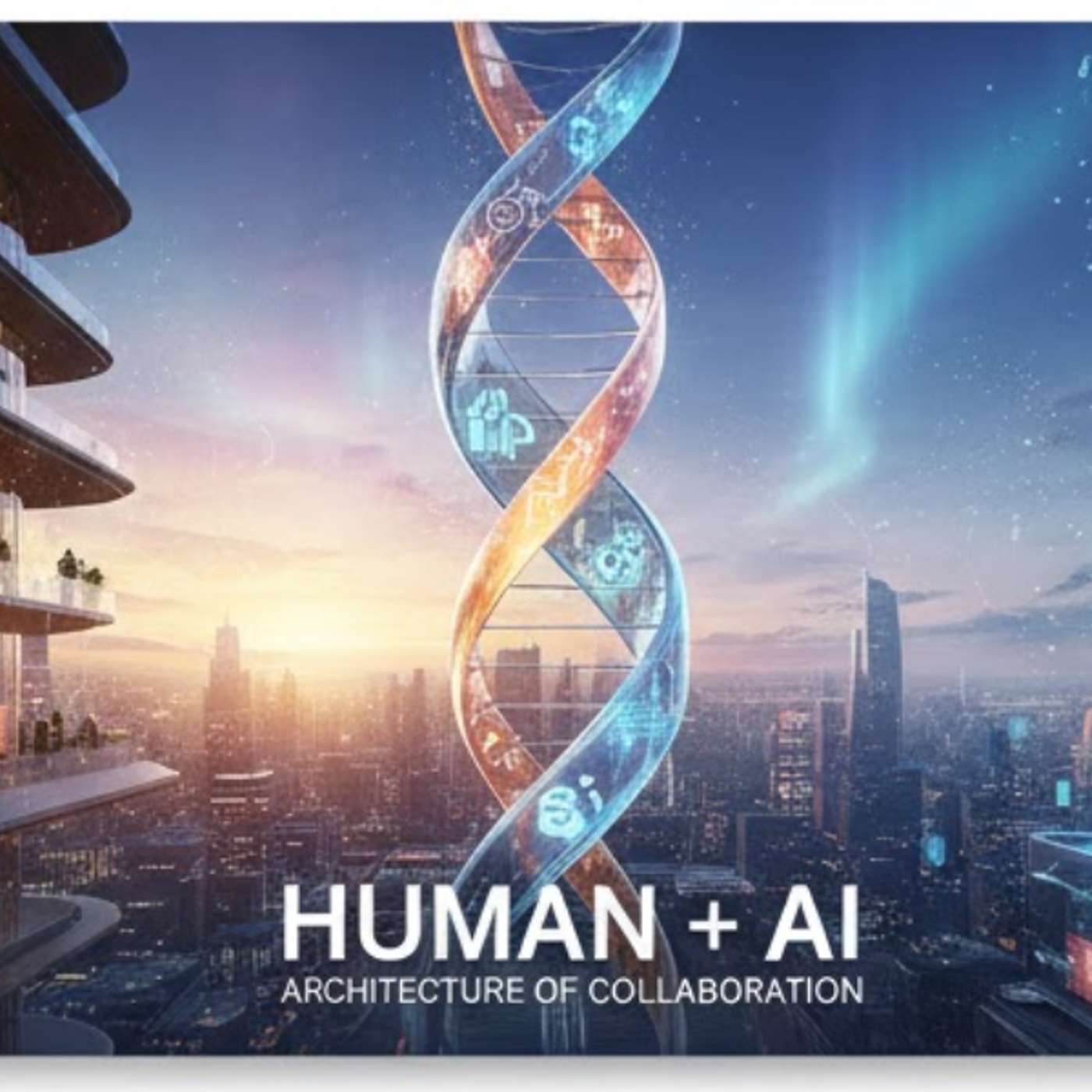
AI will be a substitute for routine tasks but a complement for strategic work. Professionals will see rote work automated, forcing them to move "upstream" to higher-value advisory roles. The career imperative is to find where AI enhances, rather than replaces, your skills.

AI tools will empower executives to move beyond strategy and directly execute tasks like product development and marketing campaign creation. This fundamentally changes delegation, as leaders will hand off nearly-completed work for finalization, rather than delegating tasks from the start.
AI's primary impact will be augmenting and increasing productivity across entire organizations, not just automating lower-level tasks. The technology can handle a fraction of almost everyone's job, freeing up humans to focus on strategic, creative, and interpersonal work that models cannot perform.

As AI agents begin to run entire business departments like finance or sales, the role of human leadership will pivot. Instead of managing people's day-to-day tasks, leaders will become "directors of the AI," focusing on high-level strategy, sequencing, and handling exceptions.

AI will handle most routine tasks, reducing the number of average 'doers'. Those remaining will be either the absolute best in their craft or individuals leveraging AI for superhuman productivity. Everyone else must shift to 'director' roles, focusing on strategy, orchestration, and interpreting AI output.

The immediate threat of AI is to entry-level white-collar jobs, not senior roles. Senior staff can now use AI to perform the "grunt work" of research and drafting previously assigned to apprentices. This automates the traditional career ladder, making it harder for new talent to enter professions like law, finance, and consulting.