Get your free personalized podcast brief
We scan new podcasts and send you the top 5 insights daily.
Initially, the company assumed guests would enjoy participating by pitching their own tents. They quickly learned this assumption was "ill-founded" and that customers preferred a service-oriented experience. This early pivot toward convenience was crucial for attracting a broader, more premium clientele.

Related Insights
Before launching, Tom Hale embarked on a 5,000-mile solo bike trip around the Western US. This immersive experience served as deep market research and product development, directly shaping the company's initial focus on tours through national parks.
Birdies was founded as an indoor-only slipper brand. When customers began wearing them outside, founder Bianca Gates had to abandon her original vision. The company's massive growth came only after she surrendered and pivoted the product to meet this unexpected user demand.

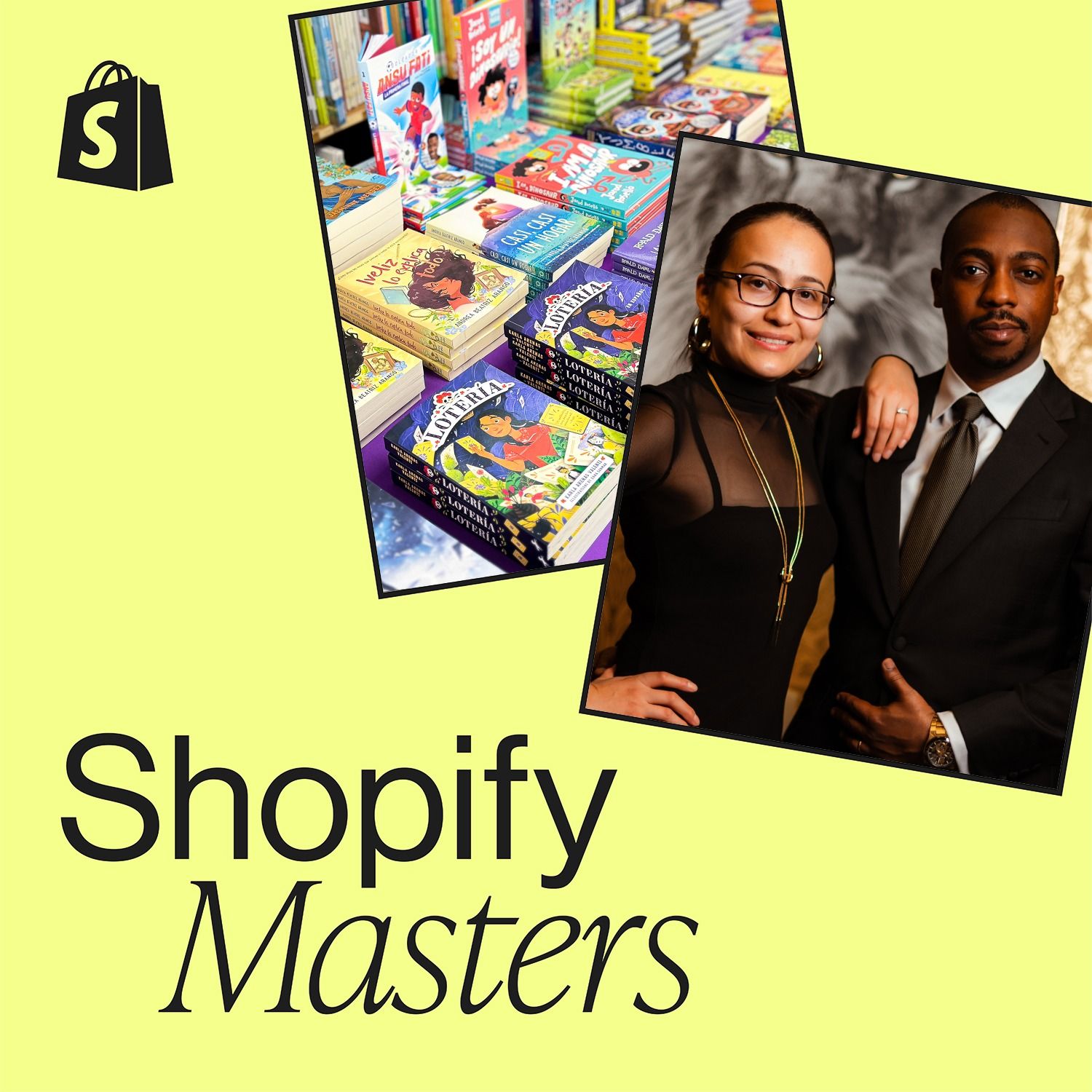
Miha Books' pivot to highly profitable school book fairs wasn't a strategic plan. It originated from a single PTA parent's suggestion while visiting their struggling brick-and-mortar store. This highlights how listening to customers can reveal a business's most lucrative opportunities.
A bespoke tailor is expected to provide luxury service; it's table stakes. However, a tire shop or contractor that delivers the same level of care and proactivity creates a far more powerful differentiator because it shatters customer expectations, driving powerful word-of-mouth.

Brainstorming cannot reveal the true friction in your customer experience. Following JetBlue's example, leaders must regularly become their own customers. This practice uncovers how high-level decisions inadvertently create flaws in the customer journey that are invisible from the boardroom.

Scribe started by building workflow automation, viewing documentation as a simple byproduct. Customers, however, found the automation only incrementally valuable but saw the documentation as a game-changing solution. Listening to this strong user pull led to the company's successful pivot.

During the 2008 financial crisis, Backroads didn't just cut costs. They re-tooled the company to amplify their strengths, adding a third leader and a second van to trips. This premium shift improved their value proposition and led to higher profit margins post-recession, a counterintuitive move in a downturn.
The company's survival without investors hinged on a simple principle: collect customer deposits and full payments well before a trip, but pay vendors (like hotels) after the trip concludes. This created a positive cash flow cycle that funded operations and growth from day one.
Businesses often fail to spot points of friction in their own customer journey because they are too familiar with their processes. This "familiarity bias" makes them blind to the confusing experience a new customer faces. The key is to actively step outside this autopilot mode and see the experience with fresh eyes.

The Savannah Bananas' co-founder states the first step to building a fan base is identifying and removing every pain point a customer experiences. Before entertaining or experimenting, they tackled the core complaints of baseball: it's too long, slow, boring, and expensive. Eliminating friction is the prerequisite for innovation.