Get your free personalized podcast brief
We scan new podcasts and send you the top 5 insights daily.
Product leaders with policy experience can "zoom out" to predict future market shifts. This systems-level view enables making long-term product bets on emerging needs and delivery models, ensuring the product is ready when the market matures, rather than just reacting to current trends.

Related Insights
As AI democratizes the act of building, the most crucial skills for product leaders are no longer technical. Instead, vision and judgment become paramount, followed by execution. Deep technical expertise is the least critical component, shifting focus from "how to build" to "what to build and why."

The modern CPO role, especially in complex fields like healthcare, has evolved beyond shipping features. It now encompasses accountability for the entire operational and organizational system in which the product exists, ensuring that product decisions support overall system health.
To thrive in the volatile biotech industry, employees need more than resilience. They must understand the broader context, from the drug development value chain to the patient's healthcare journey. This systemic view helps them understand the 'why' behind the inevitable strategic pivots, fostering adaptability.

To be truly successful, a product leader cannot just focus on features and users. They must operate as the head of their product's business, with a deep understanding of P&Ls, revenue drivers, and capital allocation. Without this business acumen, they risk fundamentally undercutting their product's potential impact and success.
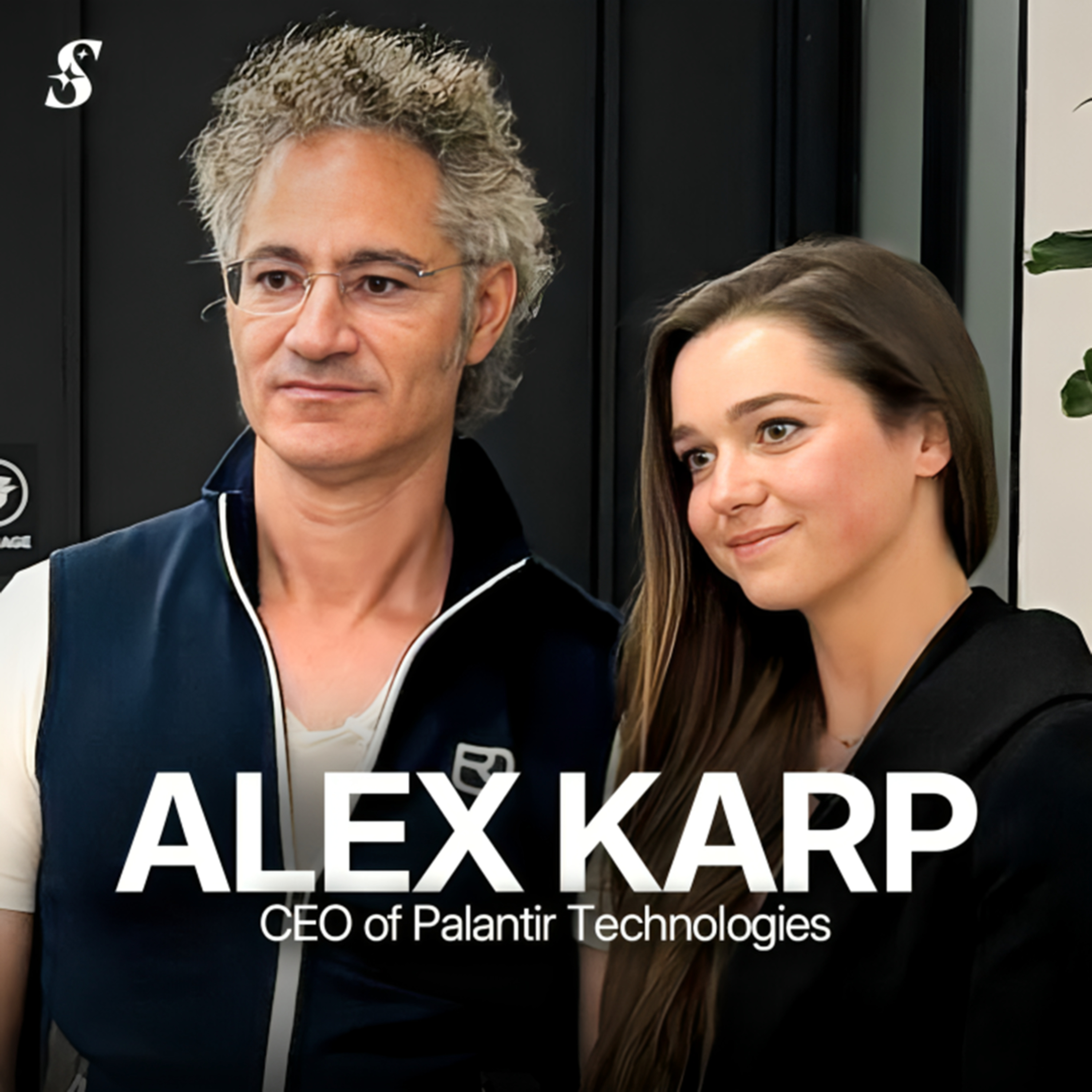
Palantir's product strategy is "more artistic than science." Instead of reacting to current market demands, the company builds solutions that tap into deep, misunderstood societal trends, much like an artist captures the future zeitgeist. This approach means creating products years before their relevance becomes obvious.
In regulated spaces like healthcare, product managers must move beyond surface-level collaboration. They need to develop deep domain knowledge and partner with clinicians who are embedded in the product process, co-writing requirements and ideating on solutions, not just acting as consultants.

To transform the complex healthcare industry, product leaders need three key skills. First, use first-principles thinking to deconstruct customer problems. Second, master storytelling to inspire change in large organizations, as data alone is insufficient. Third, evaluate performance on concrete financial, operational, and outcome-based metrics.

As you move up the product ladder, your strategic time horizon expands. ICs and Directors focus on quarters, VPs on the year, and CPOs must own the 3-5 year vision. Thinking long-term is a core CPO responsibility that no one else in the product organization will own.
As AI automates the 'how' of product creation (coding, design, go-to-market), the PM's core value shifts to the 'what' and 'why.' Success will be judged on the ability to consistently pick the right customer problems and market opportunities, where even a small improvement in accuracy yields outsized returns.

As AI accelerates discovery and building, the role of a PM is less about managing current execution. Their value becomes staying one or two steps ahead of the team to define the next problems to tackle. This requires a shift from tactical oversight to strategic direction-setting.