Get your free personalized podcast brief
We scan new podcasts and send you the top 5 insights daily.
Runway's founder justified a multi-year, pre-launch build by studying companies like Figma, which took six years to reach $1M ARR. This reframes building deep, foundational products as a test of stamina and team perseverance, not just a sprint based on raw intelligence or speed.

Related Insights
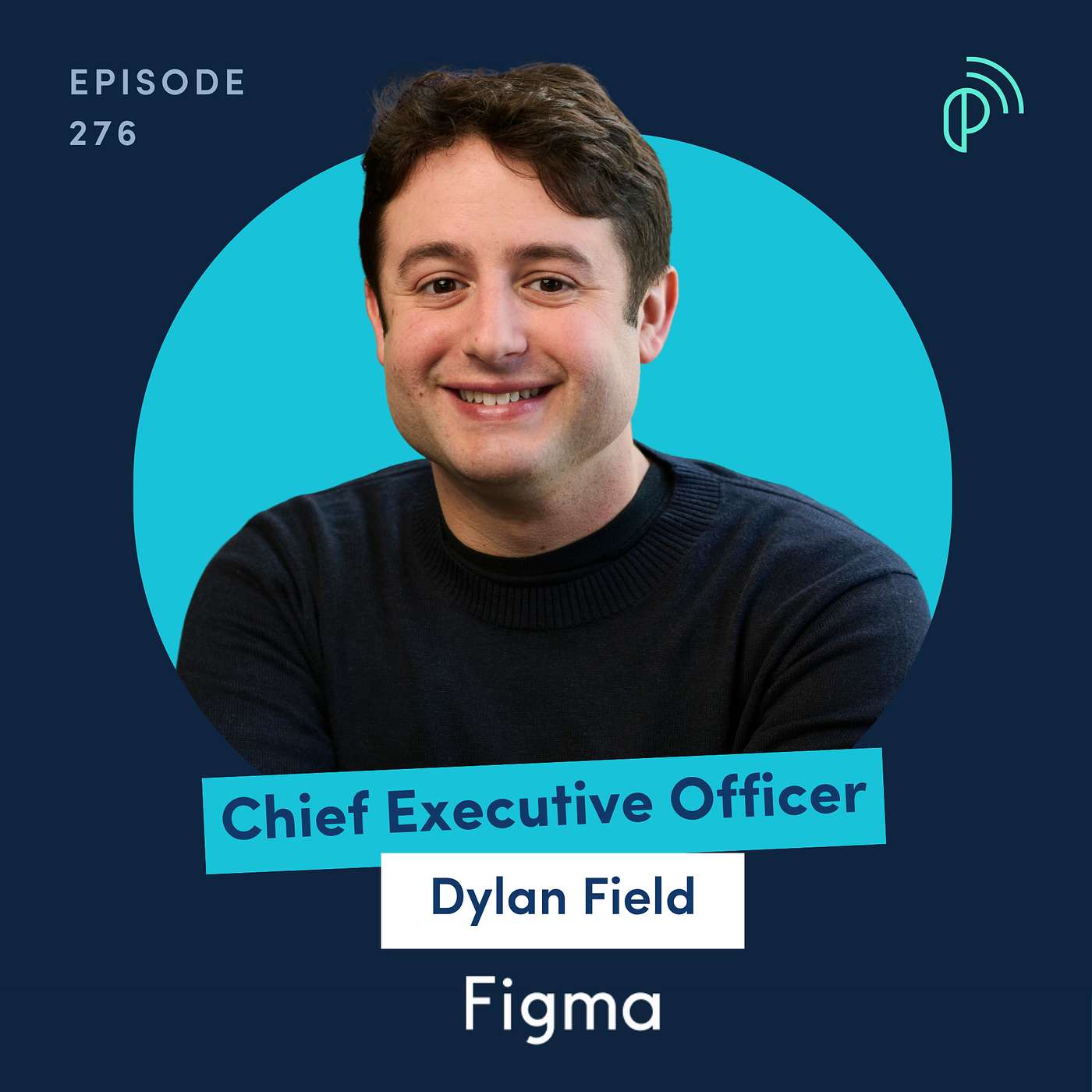
Figma's CEO reflects that despite clear signals of user demand, like a 14-page feature request after a buggy demo, he was too nervous to hire aggressively. This slowed their progress unnecessarily in the early years, a mistake he advises other founders to avoid.

In Figma's early days, CEO Dylan Field actively sought out his idols in the design community via cold emails. He didn't ask for praise; he asked them to critique the product harshly. This direct, high-quality feedback was a 'blessing' that accelerated improvement and built crucial industry relationships.
eSentire took seven years to hit its first million in revenue, a slow "death march." However, it only took three years to get from $1M to $10M. This highlights that the real test of scalability isn't initial traction but the speed of the next 10x growth phase.

During Ethic's long build phase before traction, the founder found it crucial to ignore external validation signals like other companies' funding announcements. The key to surviving this lonely period is a relentless daily focus on execution and solving customer problems, not chasing industry hype.

Initial data suggested the market for design tools was too small to build a large business. Figma's founders bet on the trend that design was becoming a key business differentiator, which would force the market to expand. They focused on building for the trend, not the existing TAM.

The tension between growth and profitability is best resolved by understanding your product's "runway" (be it 6 months or 6 years). This single piece of information, often misaligned between teams and leadership, should dictate your strategic focus. The key task is to uncover this true runway.
Founders often mistake $1M ARR for product-market fit. The real milestone is proven repeatability: a predictable way to find and win a specific customer profile who reliably renews and expands. This signal of a scalable business model typically emerges closer to the $5M-$10M ARR mark.

Figma's market initially seemed too small to attract major VC interest or intense competition, giving them space to build a defensible product. Founders can gain a significant advantage by working in overlooked spaces, provided they have genuine passion to sustain them for a decade or more.
Despite Figma's massive success, Dylan Field considers their long pre-monetization period a mistake. The company started in 2012 but didn't earn its first revenue until 2017. He strongly advises founders against this path, emphasizing the need to ship and learn from the market more quickly.
During its long, pre-revenue build, Runway couldn't rely on constant market feedback. Instead, they depended on the founder's "taste"—defined as knowing what's good without external validation. This internal conviction is crucial for ambitious products that aren't a "random walk" of testing.