Get your free personalized podcast brief
We scan new podcasts and send you the top 5 insights daily.
This three-part definition clarifies a vague concept. True "life's work" is not just a job; it's a long-term pursuit (lifelong quest), it's service-oriented (for others), and it's deeply authentic (expresses who you are). Few people achieve this, but it's a worthy aspiration.
![Patrick O’Shaughnessy - Creating on Principle - [Invest Like the Best, EP.455] thumbnail](https://megaphone.imgix.net/podcasts/816fce6a-f5b6-11f0-9c9c-33831009577b/image/1f5ec11a816e37bc484e46cbf9b3421d.jpg?ixlib=rails-4.3.1&max-w=3000&max-h=3000&fit=crop&auto=format,compress)
Related Insights
Purpose isn't a pre-existing truth you find, like an archaeological dig. It's something you actively build, like an architect. You choose an area of interest, invest energy to build skill, and it transforms into a passion through a feedback loop of personal fascination and external validation.
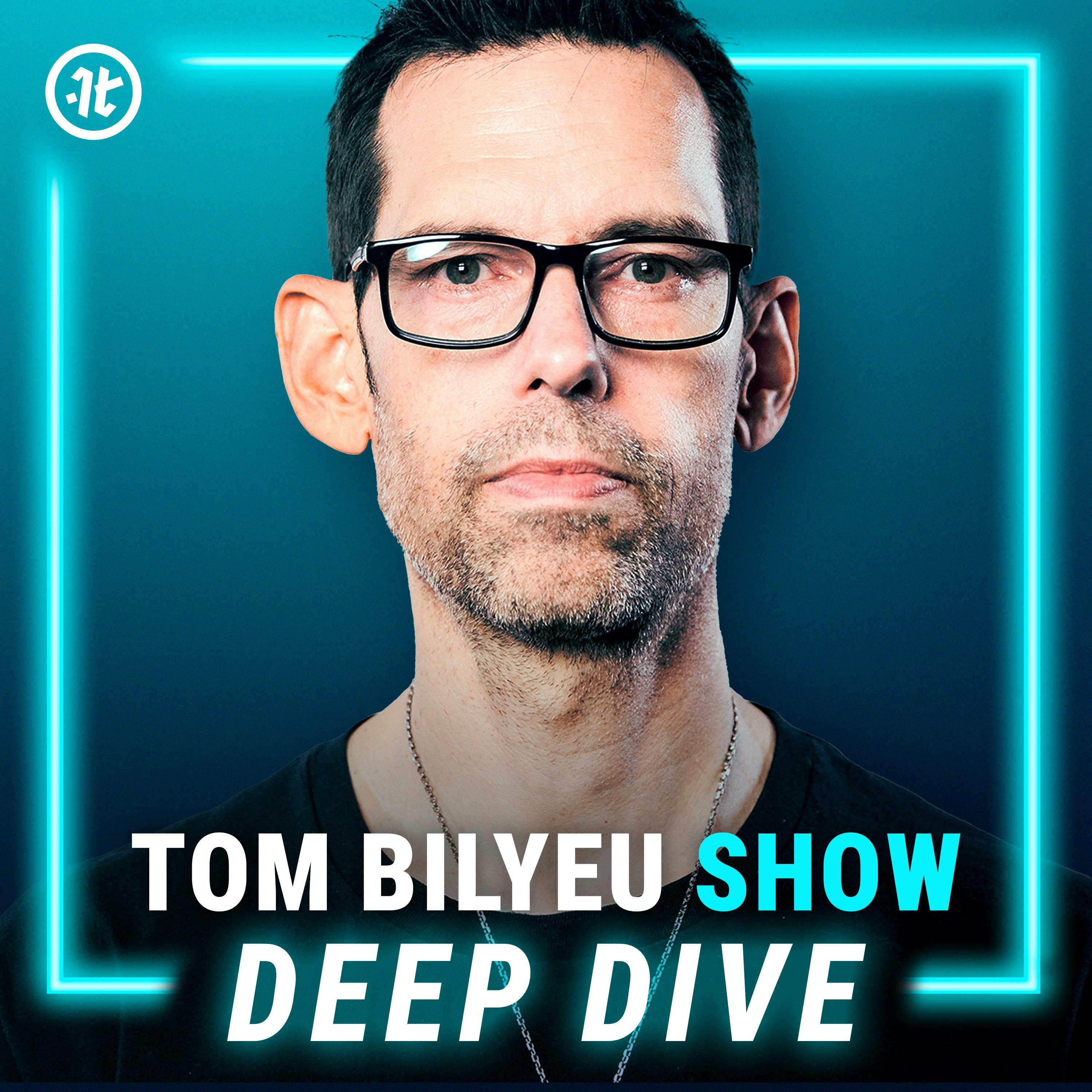
After years of pursuing different paths, Shaka Senghor distilled his life's purpose down to a single mission: helping other people find the door to their own personal freedom, whether it be from physical, mental, or emotional prisons. This clarity now guides all of his work.
The final product of your entrepreneurial journey isn't just the company. The most significant outcome is your personal transformation. Success should be measured by whether the process of building is shaping you into the person you genuinely want to be.

The first half of a creative life is the "Hero's Journey": finding your calling. The second, harder part is the "Artist's Journey": the daily, unglamorous work of honing your craft and asking, "What is my unique gift?" This shift from discovery to execution is a critical transition.

Bilyeu offers a tangible definition of life's purpose: first, acquire as many skills as possible that have real-world utility. Second, test those skills in service of a mission larger than your own self-interest. This two-step process of gaining and deploying skills creates profound fulfillment.

The ultimate aim is not to achieve conventional success, but to fully express your unique self. This lifelong project is paradoxical: you cannot become unique by yourself. You need others—friends, family, customers—to reflect your authentic self back to you, helping you see who you are.
![Kevin Kelly - Be Generous and Unique - [Invest Like the Best, CLASSICS] thumbnail](https://megaphone.imgix.net/podcasts/9e957b1c-b60e-11f0-8fae-c3720ebd149d/image/fe443cb4b0d58f10dbccb1cf43a6abe2.jpg?ixlib=rails-4.3.1&max-w=3000&max-h=3000&fit=crop&auto=format,compress)
Many people find their calling not by pursuing a lifelong dream, but through a process of discernment. This involves engaging in new experiences, reflecting on what provides fulfillment, and then using those insights to inform the next step in a continuous cycle of trial and error.

For people truly engaged in their life's work, the ultimate reward isn't money, power, or fame. It's the privilege to continue doing the work they love at a higher level and on a larger scale. This mindset attracts the most passionate and mission-driven individuals.
The most enduring and interesting creations are those that are an extension of the creator's personality, values, and identity. This alignment makes the work feel less like a job and more like self-expression, providing a source of "abiding joy" that doesn't deplete.
Instead of searching for a predefined passion, identify the topics you have an insatiable and uncontrollable curiosity about. This innate interest is the strongest signal of what your life's work could be, even if it seems unconventional.
