Get your free personalized podcast brief
We scan new podcasts and send you the top 5 insights daily.
Most people's brains narrow their focus under adrenaline, which is detrimental for a quarterback who needs broad awareness. Young theorizes the greatest QBs have a unique physiological response where adrenaline doesn't inhibit their peripheral view, allowing them to process the game's complexity at elite speed.

Related Insights
While his separation anxiety caused personal struggles, Young recognizes it also contributed to the intense, hyper-focus that made him successful. This illustrates the dual nature of psychological traits; what is a liability in one context can be a powerful asset in another, driving intensity and preparation.
NFL QB Steve Young explains that after a mistake, the instinct is to mitigate blame with facts (e.g., a teammate erred). But true leadership means taking ultimate ownership—'the ball was in my hands, now it's in theirs.' This vulnerability builds trust and makes accountability contagious across the team.
To overcome a mediocre career start, Peyton Manning didn't study his successes. He meticulously analyzed film of his interceptions and, more importantly, passes that *should have been* intercepted but weren't due to luck. This radical candor about both actual and potential failures is a key habit of elite performers.

What separates truly great athletes like Tom Brady isn't just talent, but their ability to perform at an elite level even when every opponent's game plan is specifically designed to stop them. True greatness is sustained production despite being the focus of opposition.

High-stakes mental tasks are physically taxing; a top chess player can burn 600 calories sitting at a board. Physical conditioning is not just for athletes; it directly builds gray matter and enhances executive function, providing the stamina needed to make good decisions under cognitive stress in a professional environment.
The MET-MET gene, which causes slower clearance of adrenaline, isn't a simple hindrance. It's a trade-off. It makes you less resilient to chaos ("a poor soldier") but exceptional at focused, obsessive work ("a good coder"). This genetic makeup is a finely-tuned system that excels under stable conditions but struggles under high stress.

Studies show that mindset can override biology. Athletes told they had a performance-enhancing gene performed better, even if they didn't. People believing they ate gluten had physical reactions without any present. This demonstrates that our expectations can create powerful physiological realities (placebo/nocebo effects).
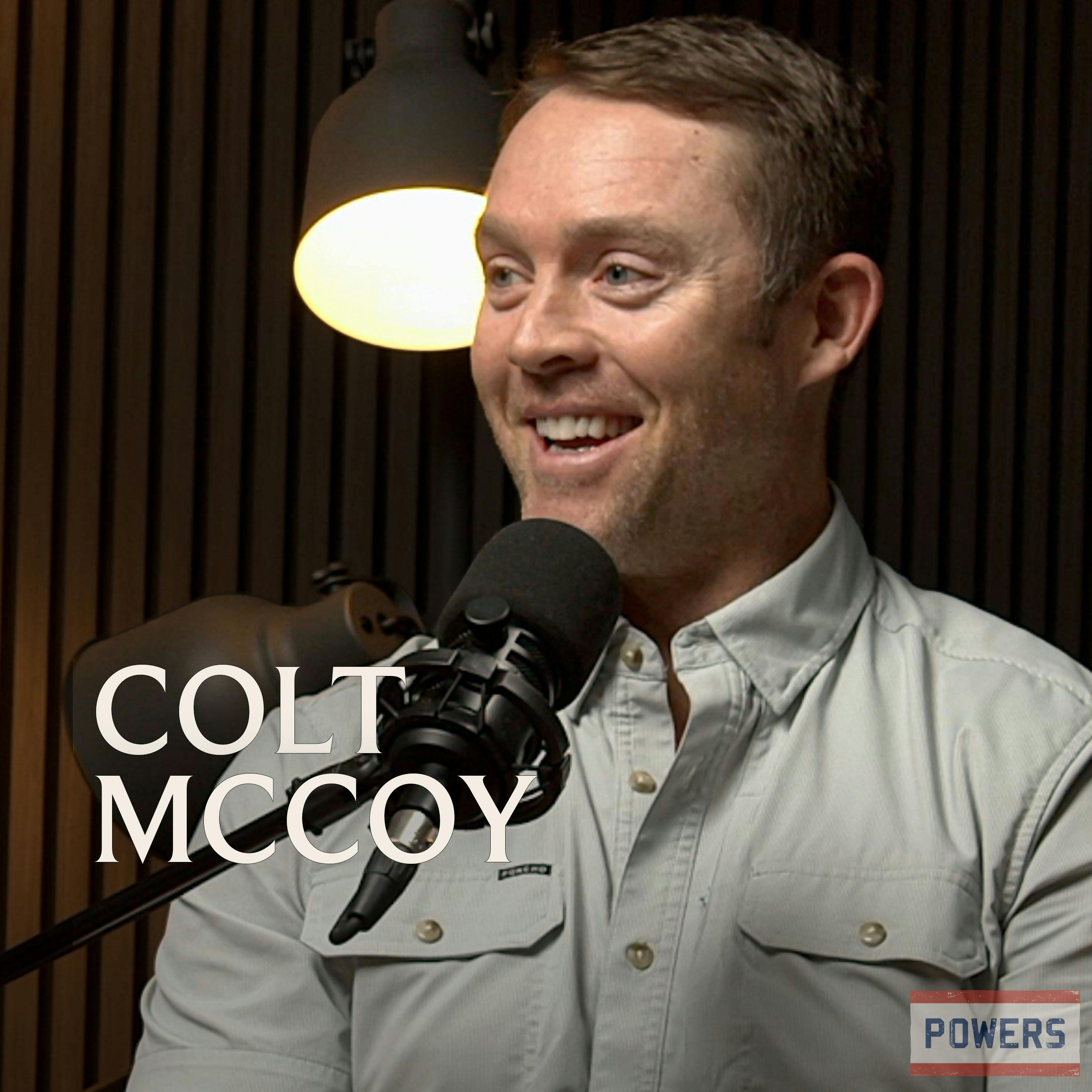
Succeeding NFL phenom Vince Young at Texas, Colt McCoy knew he couldn't match Young's physical gifts. He instead focused his energy on mastering the mental game—deeply understanding schemes, coverages, and play calls—to create his own unique and sustainable competitive advantage.
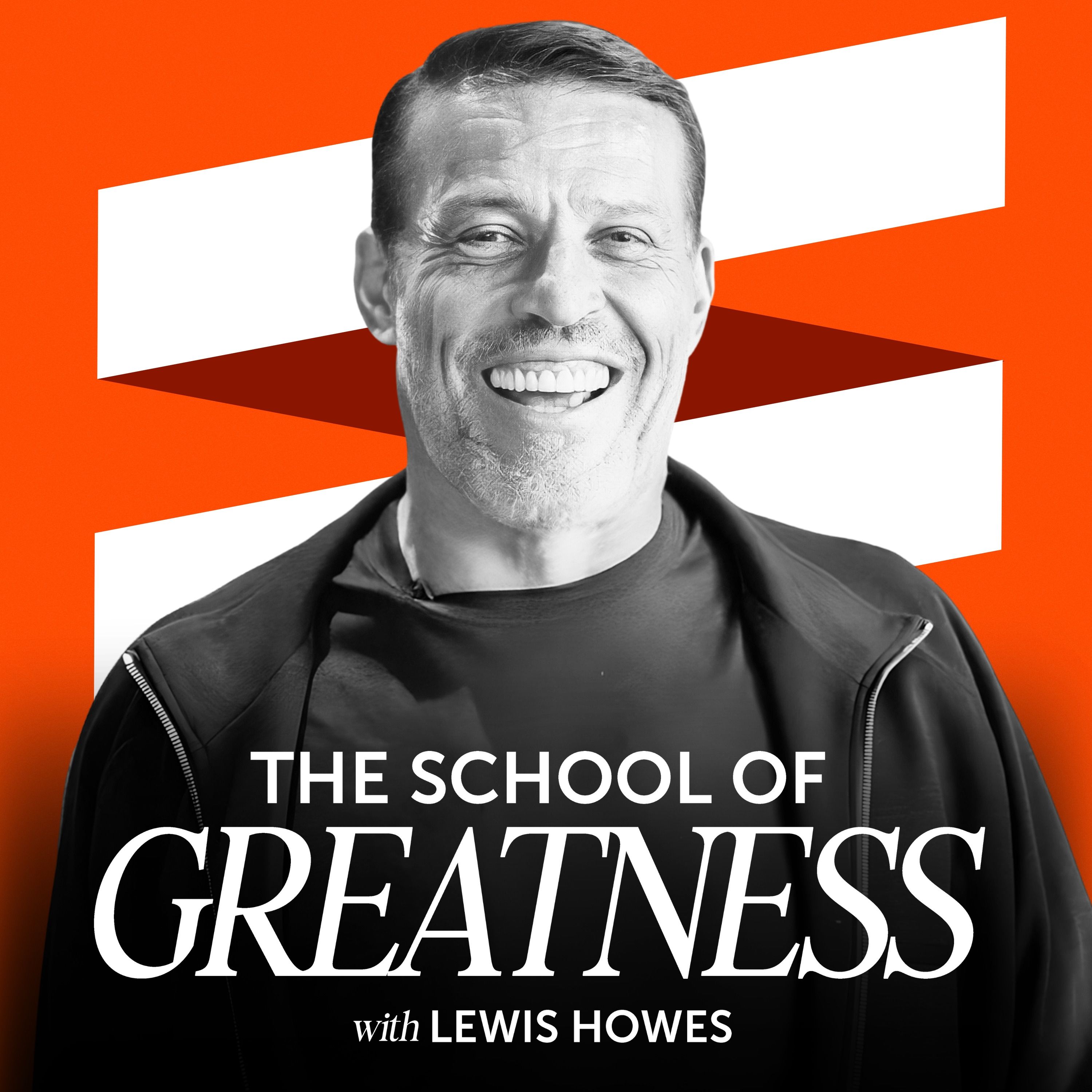
Studies on elite athletes and Tony Robbins reveal a specific biochemical response to high-stakes situations. Testosterone surges, enhancing focus and memory, while the stress hormone cortisol drops. This creates a state of pure, focused power that can even be transmitted to an audience.
At the highest levels of competition, success comes from pushing the game into chaotic territory where standard playbooks fail. The goal is to master fear while navigating the "space after everyone's prepared." This psychological edge exploits opponents' discomfort in unpredictable situations, creating a significant advantage.