Get your free personalized podcast brief
We scan new podcasts and send you the top 5 insights daily.
Elon Musk's focus was on Mars as a backup for humanity. DeepMind CEO Demis Hassabis shifted his perspective by positing that a superintelligent AI could easily follow humans to Mars. This conversation was pivotal in focusing Musk on AI safety and was a direct catalyst for his later involvement in creating OpenAI.
Related Insights
Elon Musk argues that the key to AI safety isn't complex rules, but embedding core values. Forcing an AI to believe falsehoods can make it 'go insane' and lead to dangerous outcomes, as it tries to reconcile contradictions with reality.

Elon Musk founded OpenAI as a nonprofit to be the philosophical opposite of Google, which he believed had a monopoly on AI and a CEO who wasn't taking AI safety seriously. The goal was to create an open-source counterweight, not a for-profit entity.
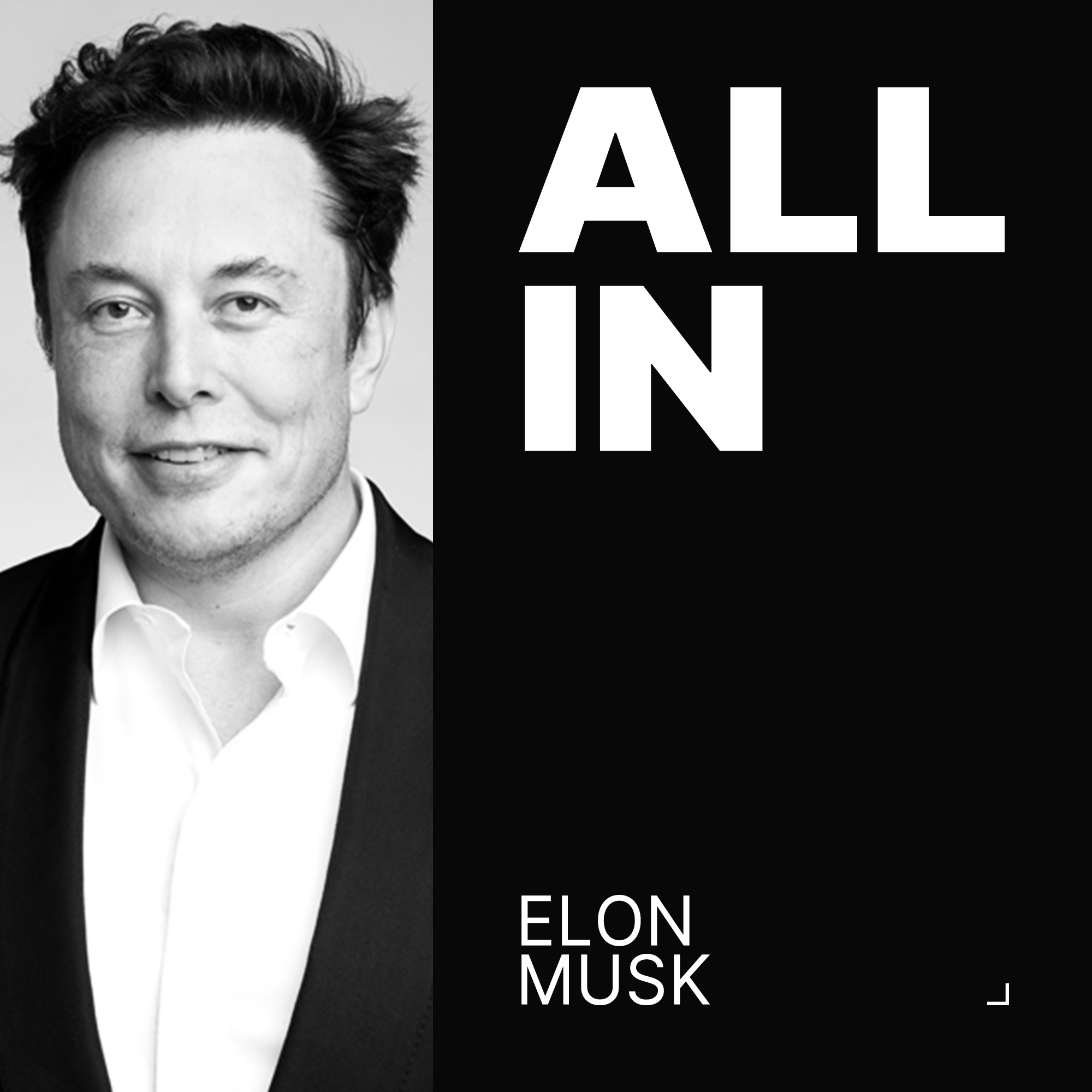
Musk's long-standing resistance to a SpaceX IPO has shifted due to the rise of AI. The massive capital raise is primarily aimed at establishing a network of space-based data centers, a strategic convergence of his space and AI ventures, rather than solely funding Mars colonization.

Many top AI CEOs openly admit the extinction-level risks of their work, with some estimating a 25% chance. However, they feel powerless to stop the race. If a CEO paused for safety, investors would simply replace them with someone willing to push forward, creating a systemic trap where everyone sees the danger but no one can afford to hit the brakes.

Demis Hassabis chose to sell DeepMind to Google for a reported $650M, despite investor pushback and the potential for a much higher future valuation. He prioritized immediate access to Google's vast computing resources to 'buy' five years of research time, valuing mission acceleration over personal wealth.
A fundamental tension within OpenAI's board was the catch-22 of safety. While some advocated for slowing down, others argued that being too cautious would allow a less scrupulous competitor to achieve AGI first, creating an even greater safety risk for humanity. This paradox fueled internal conflict and justified a rapid development pace.

Demis Hassabis, CEO of Google DeepMind, warns that the societal transition to AGI will be immensely disruptive, happening at a scale and speed ten times greater than the Industrial Revolution. This suggests that historical parallels are inadequate for planning and preparation.
Microsoft's AI chief, Mustafa Suleiman, announced a focus on "Humanist Super Intelligence," stating AI should always remain in human control. This directly contrasts with Elon Musk's recent assertion that AI will inevitably be in charge, creating a clear philosophical divide among leading AI labs.
When primary funder Elon Musk left OpenAI in 2018 over strategic disagreements, it plunged the nonprofit into a financial crisis. This pressure-cooker moment forced the organization to abandon disparate research projects and bet everything on scaling expensive Transformer models, a move that necessitated its shift to a for-profit structure.
OpenAI's creation wasn't just a tech venture; it was a direct reaction by Elon Musk to a heated debate with Google's founders. They dismissed his concerns about AI dominance by calling him "speciesist," prompting Musk to fund a competitor focused on building AI aligned with human interests, rather than one that might treat humans like pets.