Get your free personalized podcast brief
We scan new podcasts and send you the top 5 insights daily.
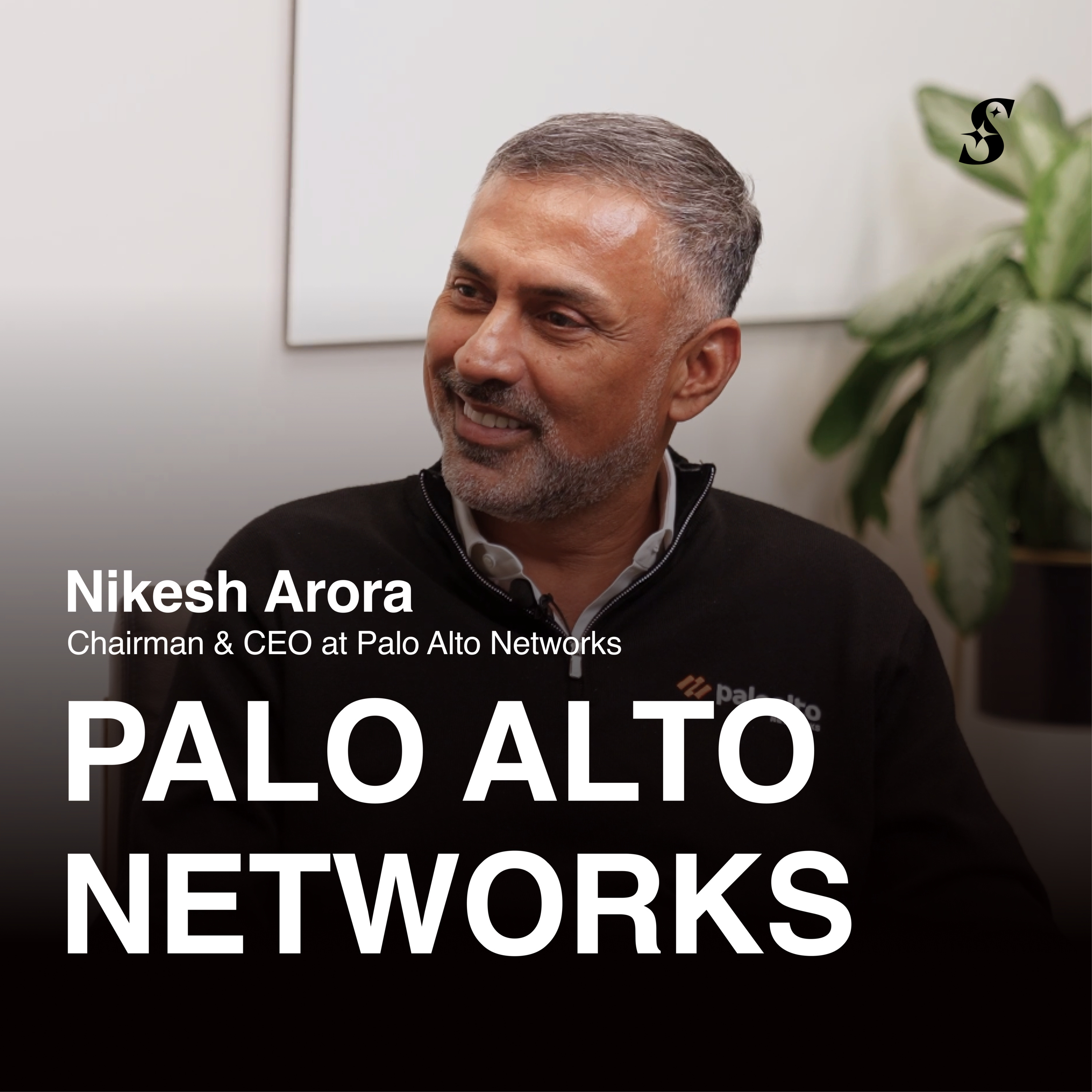
Upon joining Palo Alto Networks, Nikesh Arora wrote a document outlining his core beliefs and operational style. This preemptively explained the 'why' behind his actions, aligning his new team on a common language and set of principles, and turning potential friction into productive debate and faster execution.
Related Insights
When the four co-founders of Give Hugs face difficult decisions or misalignment, they refer to their 'North Star'—their core mission, often written on a whiteboard. This acts as an objective filter, ensuring that every strategic choice serves the long-term vision rather than short-term opportunities or personal biases.

Don't just ask executives what they want to achieve, as this puts them on the spot. Instead, proactively formulate a hypothesis about their goals and challenges. Presenting this gives them a concrete starting point to react to, confirm, or correct, leading to much faster alignment.

Create a public document detailing your company's operating principles—from Slack usage to coding standards. This "operating system" makes cultural norms explicit, prevents recurring debates, and allows potential hires to self-select based on alignment, saving time and reducing friction as you scale.

Contrary to standard practice, Palo Alto Networks' CEO Nikesh Arora has his teams report to the founders of companies he acquires. His rationale: the startup "kicked your ass" with fewer resources, proving their superior approach. This structure empowers the innovators and forces the acquirer to learn from them.

Before officially starting as CEO, Nicolai Tangen interviewed 140 employees with a single prompt: 'What's on your mind?' After about 70 conversations, clear patterns emerged, revealing the three most critical priorities for the organization. This process provides an unfiltered diagnostic and builds early trust.

When a struggling company created a clear, written turnaround plan, the team bought in and executed, despite changes making their jobs more difficult. The clarity and logic of the written document created powerful alignment and commitment.
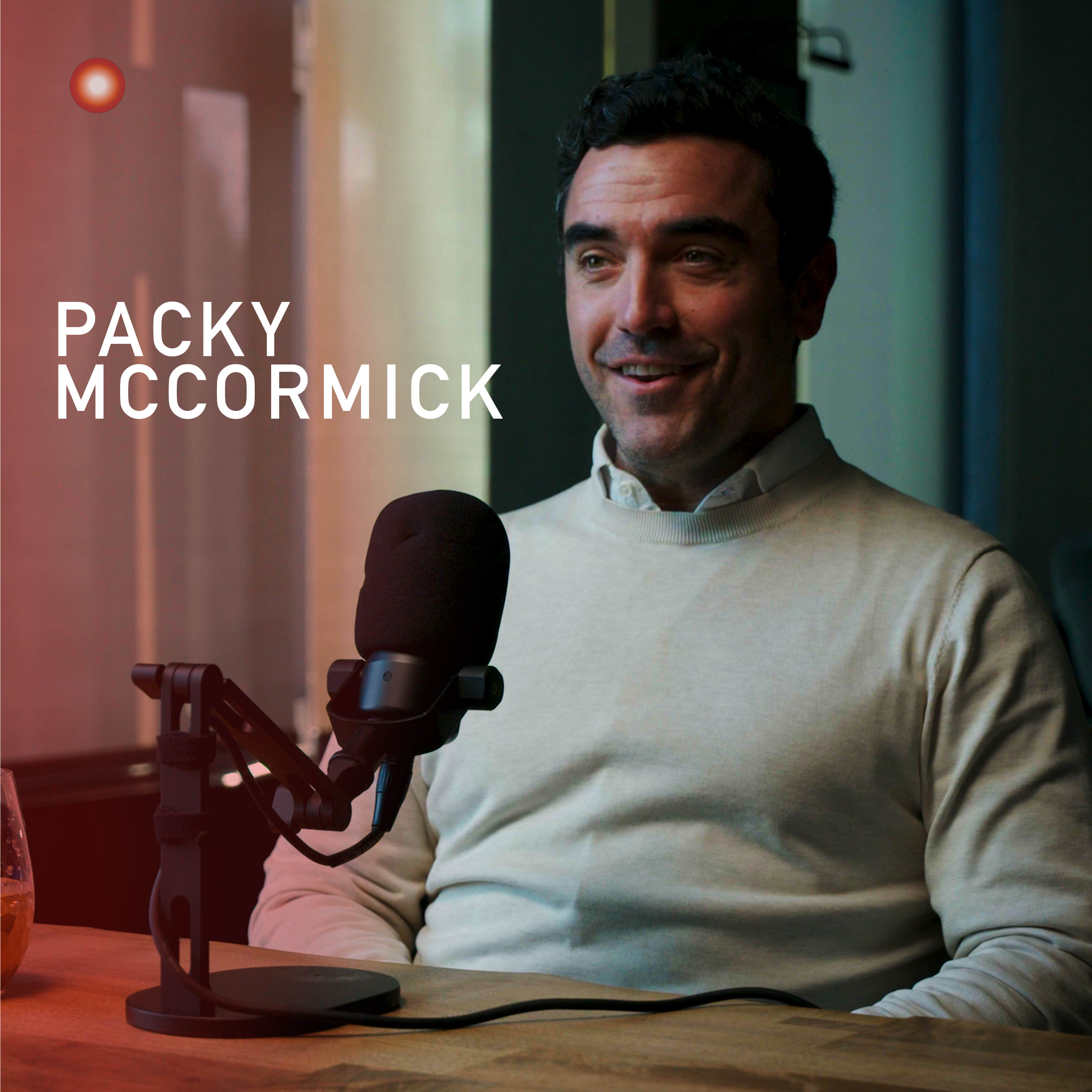
A long strategy document allows employees to cherry-pick sentences that justify their current work, creating a false sense of alignment. Lonsdale learned to distill complex strategy into ultra-simple, memorable phrases to ensure the entire organization has a shared and unambiguous understanding of priorities.

Quirky, "founder-type" leaders owe it to their teams to create a document outlining their working style, expectations, and non-negotiables. This allows people to consciously opt-in or opt-out, fostering a "strong attract, strong repel" culture and setting clear expectations.

Satya Nadella had his leadership team distill and share their personal life philosophy in one or two sentences. This exercise forces clarity on core principles and creates a foundation where team members can understand, trust, and hold each other accountable to their most authentic selves.

Anthropic's CEO, Dario Amodei, leads through a distinct, asynchronous style: writing long-form essays on Slack to explain his reasoning on key topics and engaging in written debates. This method creates a "coherent sense of direction" by ensuring the entire company has a deep, shared model of his thinking and the rationale behind major decisions.
