Get your free personalized podcast brief
We scan new podcasts and send you the top 5 insights daily.
Altman's personal AI agent ('dot') filters his overnight communications, escalating only true emergencies. This frees him from the reactive cycle of checking his phone first thing, allowing him to regain the deep, creative work time he previously lost while running a large company. It's a tool for reclaiming mental space, not just productivity.

Related Insights
Newman built a system that ingests all messages (email, Slack, WhatsApp), uses an LLM with a personal rubric to determine urgency, and displays only critical items on a dedicated monitor. This reclaims focus time by eliminating the need to constantly check multiple apps for important updates.

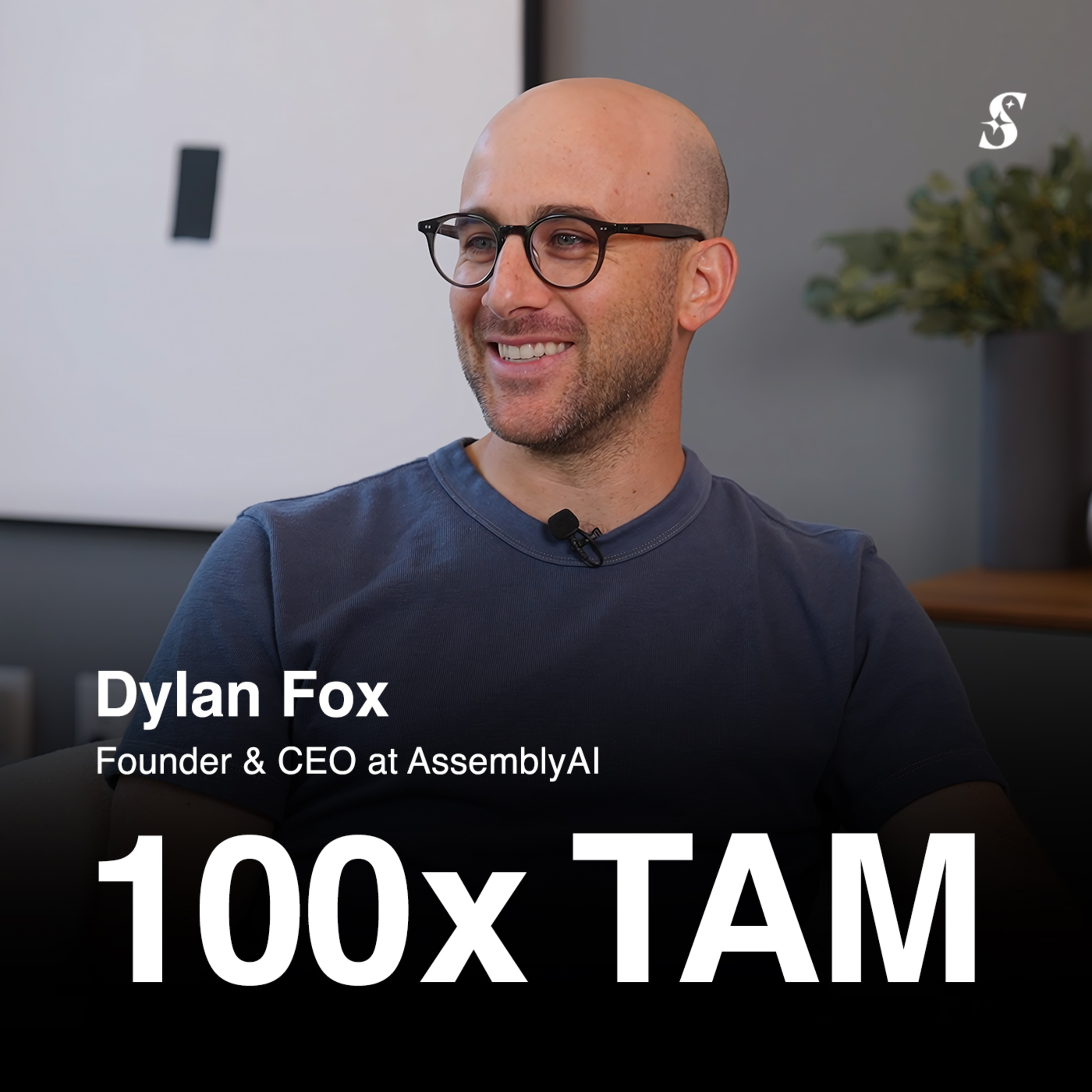
At truly AI-native companies, AI is not just for engineering. AssemblyAI's CEO built a personal agent named "Dylan Claw" that accesses his meeting notes and transcripts to automatically create and revise slide decks. This deep, personalized integration allows for extreme operational leverage and speed.
The value of an AI agent is unlocked through a mental shift. Instead of treating it as a passive tool like a dashboard, actively engage with it as a coworker. SaaStr's team talks to their agent and bounces ideas off it, incorporating it into daily creative sessions and workflows.

Create a personal AI agent that acts as a chief of staff by integrating with your email, Slack, calendar, and meeting transcripts. This agent can automatically analyze all incoming information and conversations to generate your daily priorities, saving significant time spent on manual review and planning each morning.
![How I Build that [Agent] - 7 Marketers Show AI Workflows That Save Hours thumbnail](https://img.transistorcdn.com/gnMDlXDq9nsONvRGpGdK1FtW2T0AuMTtxYPJ5csMC7c/rs:fill:0:0:1/w:1400/h:1400/q:60/mb:500000/aHR0cHM6Ly9pbWct/dXBsb2FkLXByb2R1/Y3Rpb24udHJhbnNp/c3Rvci5mbS8zMzlh/ODVjZDNmNjY4Mzli/MTFlNzMxZDI4ZmJm/Yzc1MC5wbmc.jpg)
Altman's AI creates a personalized 'living document' that summarizes the business based on his current focus, which it infers from his communications like Slack. This dynamic dashboard evolves as his priorities shift (e.g., from revenue to safety), moving beyond fixed, company-wide metrics to provide tailored, strategic insight.
Use AI agent platforms to build a digital chief of staff that manages priorities, filters messages, and tracks projects. This automates the administrative and strategic legwork traditionally handled by a human assistant, freeing up executive time for high-value decisions.

Sam Altman's ultimate vision for software isn't AI-assisted messaging but a proactive agent. Instead of managing Slack, users will state their goals for the day, and the AI will handle communication and tasks, providing batched updates. This signals a shift from augmenting existing workflows to replacing them entirely.

Delegate tasks like email triage or financial monitoring to AI, not just for efficiency, but to act as a "safety net." This offloads the mental stress of worrying about missing something important, freeing up significant cognitive bandwidth for higher-value work.

Individuals can combat digital overload by creating AI assistants that filter information, similar to how Christopher Nolan uses human assistants to print emails and avoid smartphones. This approach allows one to reclaim focus and mental well-being by delegating the 'always-on' burden to a machine.

To manage the information deluge, product leaders can build personal AI agents for daily briefings. The speaker uses four: one for his schedule, one for market trends, one for the competitive landscape (including new entrants), and one for industry news. This automates synthesis and sharpens daily focus for better decision-making.
