Get your free personalized podcast brief
We scan new podcasts and send you the top 5 insights daily.
Altman's AI creates a personalized 'living document' that summarizes the business based on his current focus, which it infers from his communications like Slack. This dynamic dashboard evolves as his priorities shift (e.g., from revenue to safety), moving beyond fixed, company-wide metrics to provide tailored, strategic insight.

Related Insights
Instead of static documents, companies can embed their strategy into an AI agent. This agent assists in planning, identifies cross-departmental conflicts, and can be queried in real-time during decision-making to ensure constant alignment, making strategy a dynamic part of daily operations.

Beyond just summarizing work, advanced AI systems can be trained to adapt communication styles. The AI learns to generate updates with more detail for one stakeholder and a high-level summary for another, automatically tailoring the tone and content based on the recipient.

AI-powered platforms transform how leaders consume insights. Instead of passively receiving periodic reports from a central analyst, leaders are empowered to pull real-time information on demand for immediate needs. This enables more timely decision-making without creating an analytical bottleneck.

Instead of preparing reports, empower your CEO with direct access to a conversational AI tool that queries business data. This allows them to ask questions about marketing and sales performance on their own, fostering a culture of accountability and enabling more productive, data-driven conversations.

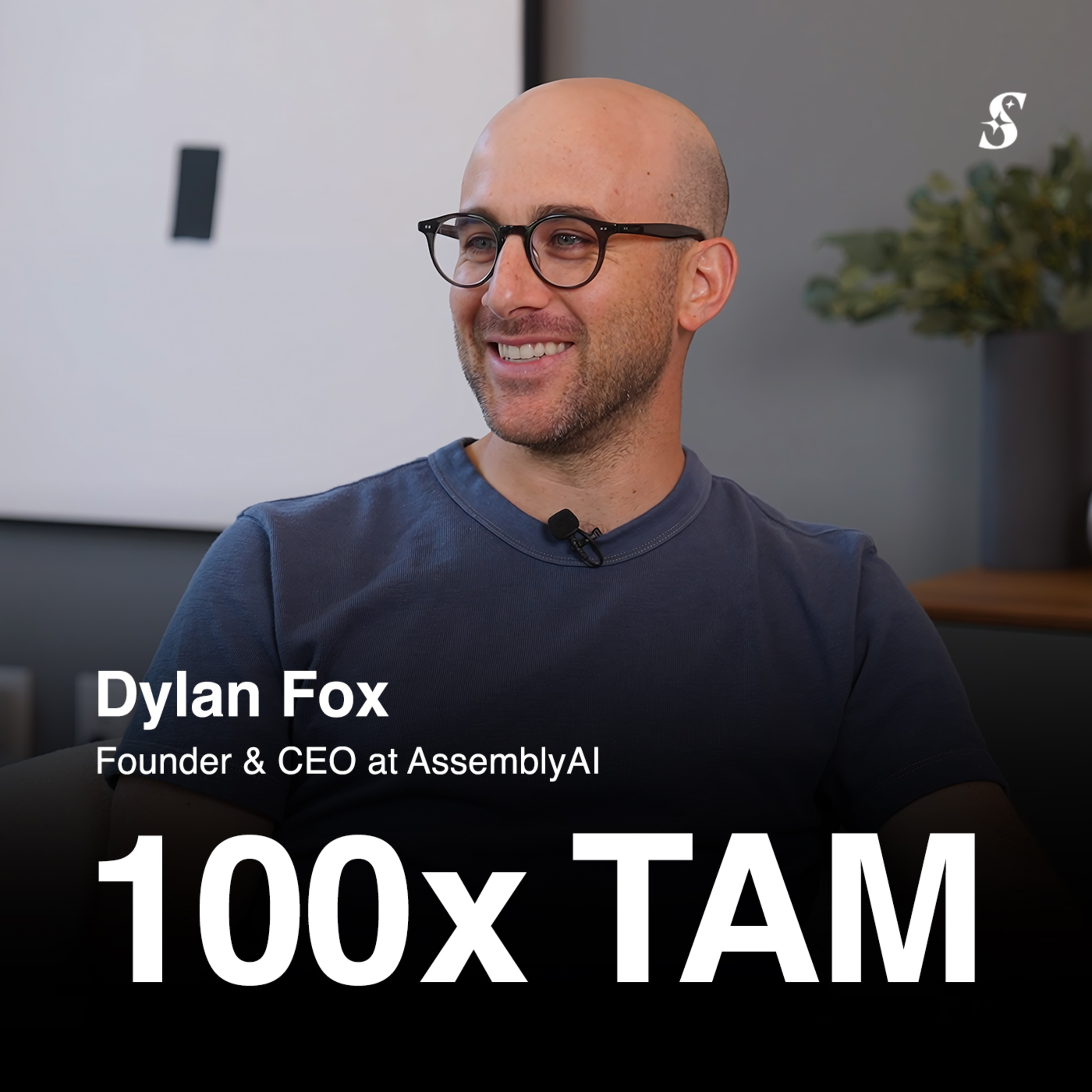
At truly AI-native companies, AI is not just for engineering. AssemblyAI's CEO built a personal agent named "Dylan Claw" that accesses his meeting notes and transcripts to automatically create and revise slide decks. This deep, personalized integration allows for extreme operational leverage and speed.
The most advanced analytics workflow moves beyond manual dashboards to scheduled AI agents. These agents analyze data, synthesize top insights and deviations, and automatically push a report into the team's Slack channel. This frees PMs from routine reporting to focus on strategic action.

Sam Altman's ultimate vision for software isn't AI-assisted messaging but a proactive agent. Instead of managing Slack, users will state their goals for the day, and the AI will handle communication and tasks, providing batched updates. This signals a shift from augmenting existing workflows to replacing them entirely.

AI assistants will deliver proactive, conversational insights, freeing CX teams from reactive dashboard analysis. Instead of monitoring static reports, leaders will simply ask their AI what to focus on, rendering traditional dashboards obsolete and enabling a more strategic, real-time approach to customer experience management.
Traditional automated dashboards are often ignored. AI-driven reporting is superior because it doesn't just present data; it actively analyzes it. The AI summarizes trends, generates relevant follow-up questions, and even attempts to answer them, ensuring that insights are never missed, even when stakeholders are busy.

To manage the information deluge, product leaders can build personal AI agents for daily briefings. The speaker uses four: one for his schedule, one for market trends, one for the competitive landscape (including new entrants), and one for industry news. This automates synthesis and sharpens daily focus for better decision-making.
