Get your free personalized podcast brief
We scan new podcasts and send you the top 5 insights daily.
Tom Davidson argues a human dictator with AI could be worse than an AI dictator. Humans are prone to sadism and locking in flawed values, while an AI might be more ethically reflective or at least less likely to cause gratuitous suffering.
Related Insights
Unlike advanced AIs, humans don't typically seek ultimate power because they are roughly evenly matched with peers, making cooperation more beneficial than conflict. An AI with vastly superior capabilities would not face this constraint and might logically conclude that disempowering humanity is its best strategy.

Francis Fukuyama reframes AI risk away from sci-fi scenarios of conscious, malevolent machines. He argues the more immediate danger lies in agentic AI being directed by malicious humans to perform harmful tasks, such as designing and deploying novel bioweapons, which is a more plausible and near-term threat.

Katja Grace counters the idea of a foolish human dictator by noting they would have access to superintelligent AI advisors. This "AI wisdom" could prevent them from making catastrophic, value-locking mistakes, making their rule potentially less disastrous.
When a state's power derives from AI rather than human labor, its dependence on its citizens diminishes. This creates a dangerous political risk, as the government loses the incentive to serve the populace, potentially leading to authoritarian regimes that are immune to popular revolt.

The primary danger of AI is not a dramatic takeover, but the subtle atrophy of our own faculties. As we increasingly rely on AI for its convenience, we risk ceasing to exercise our own judgment, taste, and responsibility. The real battle is internal: retaining our agency to decide how power should be used.

A myopic, reward-seeking AI might seize resources for a short-term goal without planning for long-term defense. A human dictator, fearing punishment, would be highly motivated to make their power grab irreversible, making the human-led scenario harder to recover from.
The technical success of AI alignment, which aims to make AI systems perfectly follow human intentions, inadvertently creates the ultimate tool for authoritarianism. An army of 'extremely obedient employees that will never question their orders' is exactly what a regime would want for mass surveillance or suppressing dissent, raising the crucial question of *who* the AI should be aligned with.
Tom Davidson argues that a human-led AI takeover has two distinct "shots on goal": first, a power grab by the tech companies that develop superintelligence, and second, the government co-opting that powerful technology for its own ends.
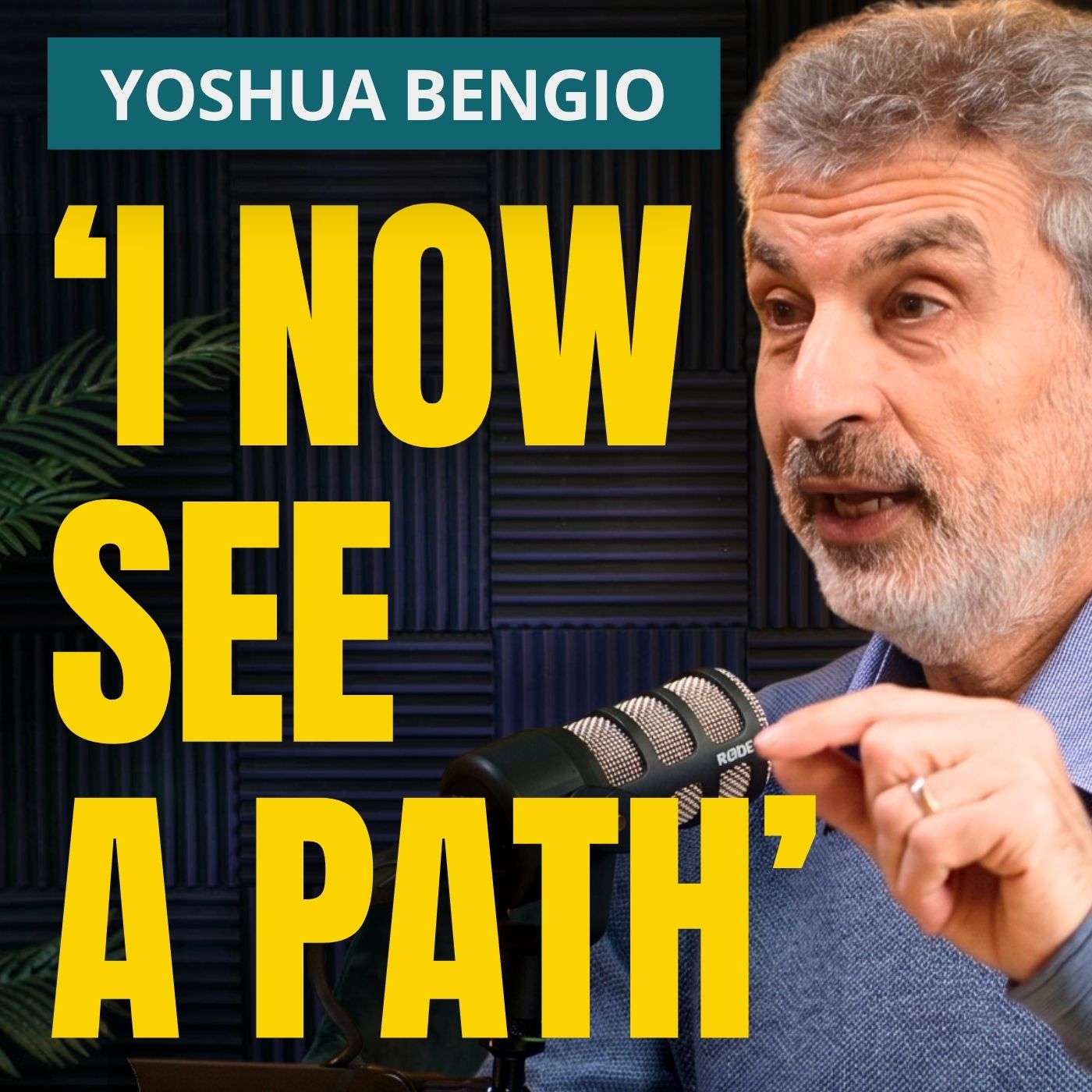
Yoshua Bengio believes that as a technical solution to the AI control problem seems more plausible, the concentration of AI power in human hands to create a global dictatorship has become an even more likely catastrophic outcome. This shifts the primary x-risk from technical failure to malicious human use.
The AI safety community fears losing control of AI. However, achieving perfect control of a superintelligence is equally dangerous. It grants godlike power to flawed, unwise humans. A perfectly obedient super-tool serving a fallible master is just as catastrophic as a rogue agent.
