Get your free personalized podcast brief
We scan new podcasts and send you the top 5 insights daily.
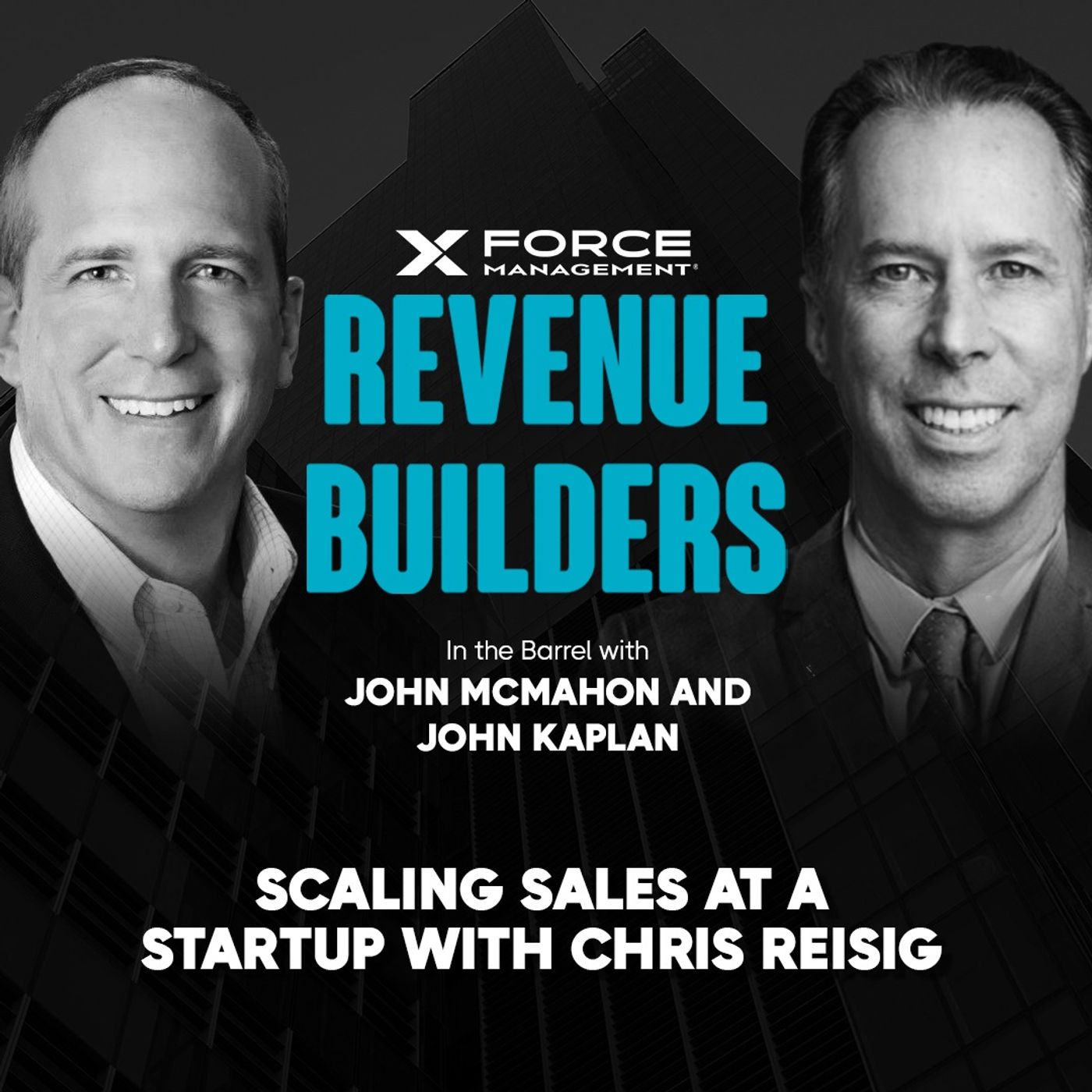
In the pre-product-market fit stage (the first ~20 deals), the sales leader's primary role is not just closing revenue, but acting as a product manager. They must be in every meeting to gather objections, find pockets of value, and translate raw market feedback into actionable insights for the engineering team.
Related Insights
Founders must consider their sales motion (e.g., PLG vs. enterprise sales-led) when designing the product. A product built for one motion won't sell effectively in another, potentially forcing a costly redesign. This concept extends "product-market fit" to "product-market-sales fit."

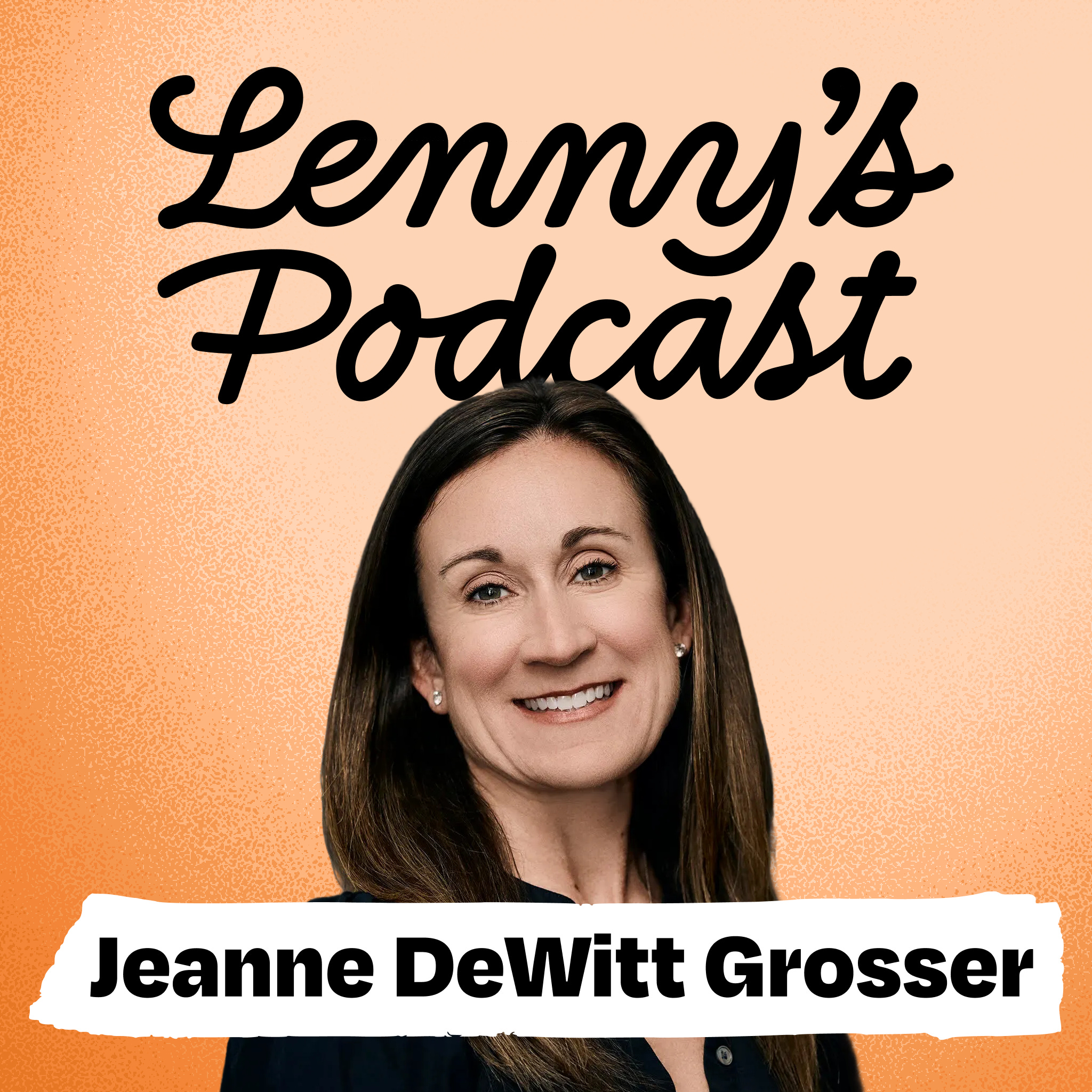
Vercel COO Jean Grosser's litmus test for a great salesperson is that engineers shouldn't be able to tell they aren't a PM for at least 10 minutes. This requires deep product knowledge, enabling sales to act as an R&D function by translating customer feedback into valuable product signals.
The core job of a Product Manager is not writing specs or talking to press; it's a leadership role. Success means getting a product to market that wins. This requires influencing engineering, marketing, and sales without any formal authority, making it the ultimate training ground for real leadership.

A sales background teaches more than customer centricity. It instills resilience and the fearlessness to approach anyone in an organization to get things done, a vital skill for navigating the cross-functional demands of product management.
At the $1-10M ARR stage, avoid junior reps or VPs from large companies. The ideal first hire can "cosplay a founder"—they sell the vision, craft creative deals, and build trust without a playbook. Consider former founders or deep product experts, even with no formal sales experience.
To build trust and deliver value, product managers cannot be 'tourists' who drop in on other departments transactionally. They must become 'locals'—deeply integrated, trusted partners who are regulars in cross-functional conversations and are seen as being 'in the battle' together with sales, marketing, and other teams.

A pre-product CRO conducts thousands of market conversations to validate demand and guide the product roadmap. This de-risks development by ensuring you build a product that customers will actually buy, a task more suited to a sales expert than a founder.

To launch new products and compete with agile startups, embed a small "incubation seller" team directly within the technology organization. This model ensures tight alignment between product, engineering, and the first revenue-generating efforts, mirroring the cross-functional approach of an early-stage company.

Great PMs excel by understanding and influencing human behavior. This "people sense" applies to both discerning customer needs to build the right product and to aligning internal teams to bring that vision to life. Every aspect, from product-market fit to go-to-market strategy, ultimately hinges on understanding people.
