Get your free personalized podcast brief
We scan new podcasts and send you the top 5 insights daily.
6sense’s growth slowed because buyer behavior shifted. Buyers now expect AI to take autonomous action (systems of agents), not just provide data for a human to act on (systems of engagement). This fundamental shift threatens incumbent SaaS tools built around a human-in-the-loop workflow.

Related Insights
The rise of agentic coding is creating a "SaaSpocalypse." These agents can migrate data, learn different workflows, and handle integrations, which undermines the core moats of SaaS companies: data switching costs, workflow lock-in, and integration complexity. This makes the high gross margins of SaaS businesses a prime target for disruption.

Traditional SaaS is obsolete. According to Tan, companies must now adopt an "agentic" approach, using AI to radically compress decision-making and development cycles from months to hours. Those that fail to embrace this new paradigm will be outcompeted.

AI isn't just a feature; it's a fundamental UI/UX shift. B2B software that isn't conversational or agent-driven now feels "terrible" and dated. This shift is causing a potential "terminal decline" for incumbents who can't adapt, as value accrues to the new agentic layer.

The value in software is shifting from SaaS platforms (like CRMs) to the AI agent layer that automates work on top of them. This will turn established SaaS companies into simple data repositories, or "hooks," diminishing their stickiness and pricing power as agents can easily migrate data.
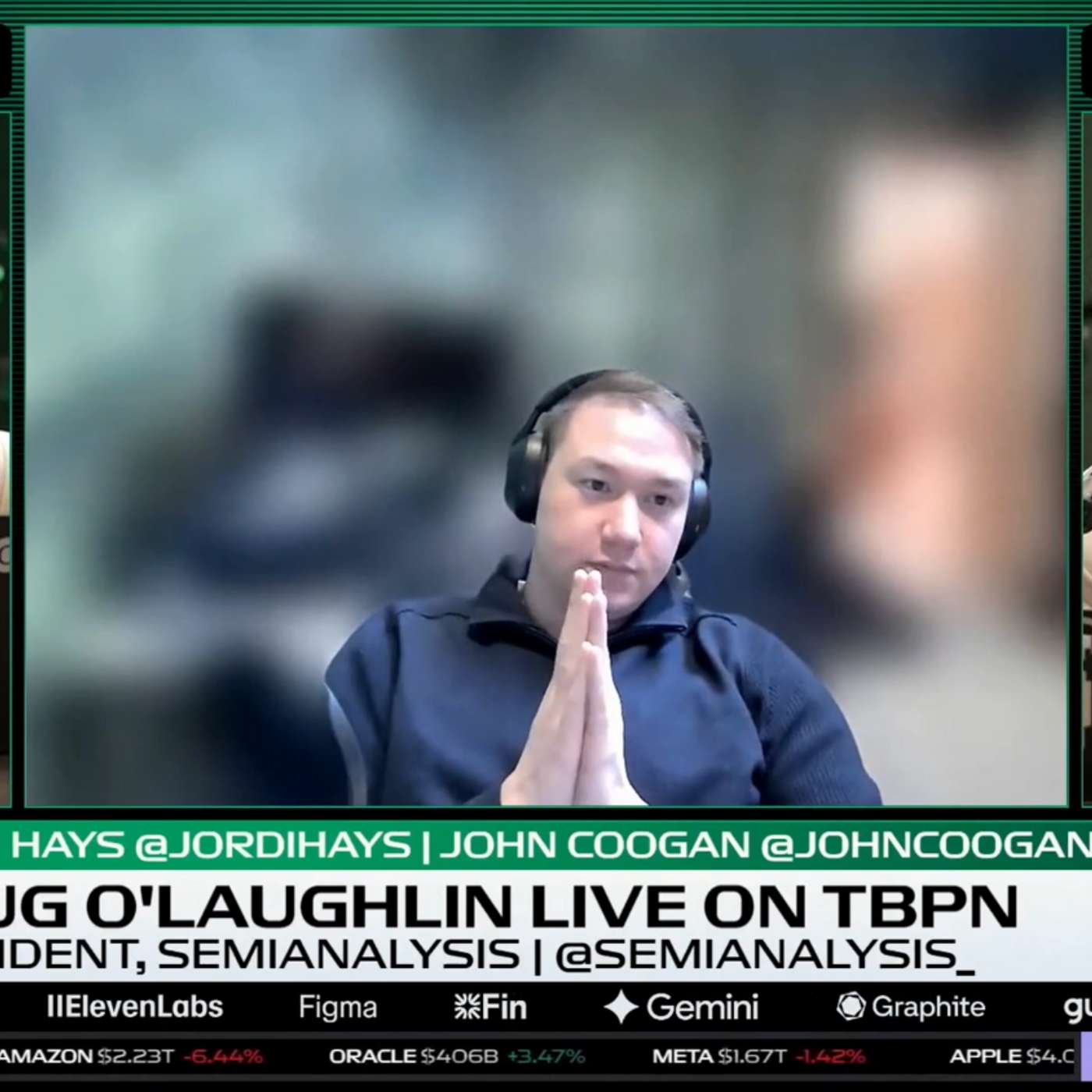
While users building their own tools is a risk, the more profound disruption comes from AI agents performing knowledge work autonomously. This could eliminate the need for human-centric software like project management tools entirely, as agents handle tasks, tracking, and completion without manual input.

As users increasingly rely on AI agents, traditional graphical user interfaces will become obsolete. SaaS products must evolve to offer conversational interfaces that other agents can interact with directly. The primary user will shift from a human clicking buttons to another AI sending messages.
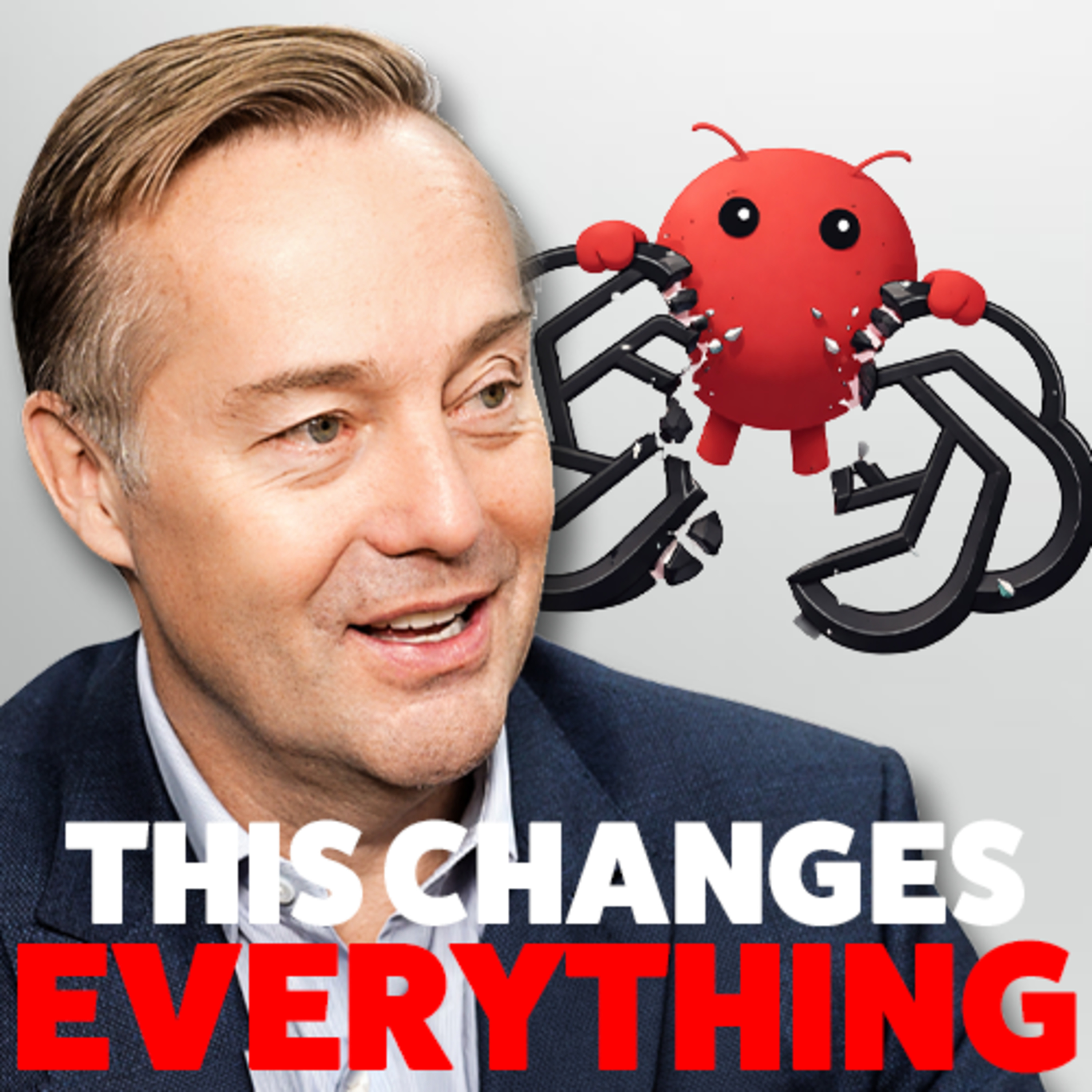
The defensibility of large SaaS companies has been their position as the 'system of record' (e.g., the CRM database). AI agents, which can perform valuable actions and pull data from disparate sources, threaten this moat. Value may shift from the static database to the AI-driven process itself, upending the market.
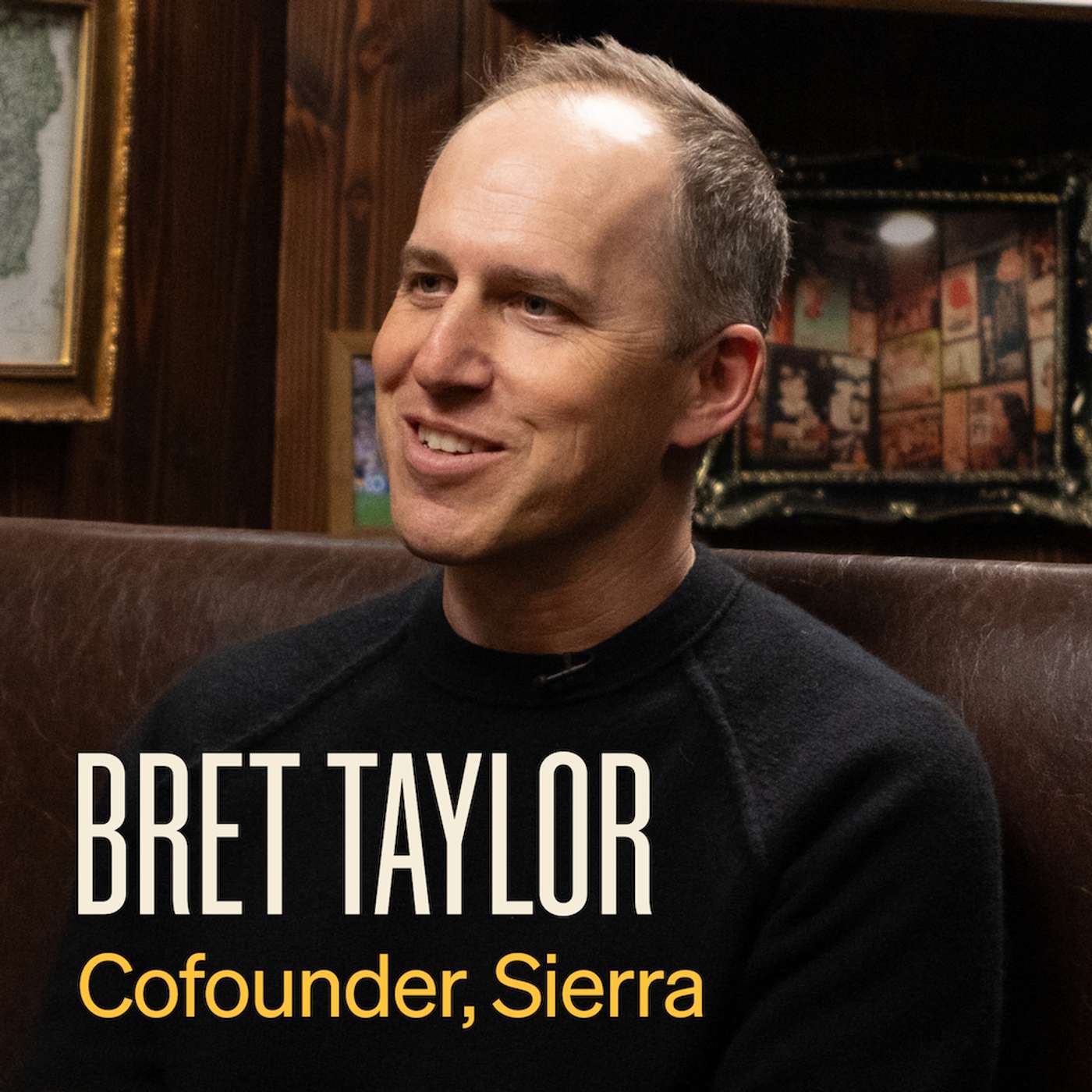
The success of new AI startups is driven by a desire among managers to replace human-led processes with autonomous agents. Customers don't want AI to make their teams slightly better; they want an agent that eliminates the need for the team entirely. This is a demand most incumbent software companies misunderstand and fail to serve.
Simply adding a generative AI co-pilot is now table stakes for SaaS companies. The founder argues the next evolution is 'agentic AI' — systems that don't just provide insights but autonomously perform tasks and make decisions for the user, like qualifying and actioning a sales lead.

SaaS products like Salesforce won't be easily ripped out. The real danger is that new AI agents will operate across all SaaS tools, becoming the primary user interface and capturing the next wave of value. This relegates existing SaaS platforms to a lower, less valuable infrastructure layer.