Get your free personalized podcast brief
We scan new podcasts and send you the top 5 insights daily.
Prosper Global's approach in Gaza exemplifies the evolution of humanitarian aid. While providing immediate necessities like clean water, they simultaneously run "Gaza Sky Geeks," a long-term initiative that trains locals for remote tech work and provides co-working spaces, creating a path to economic sustainability amid crisis.

Related Insights
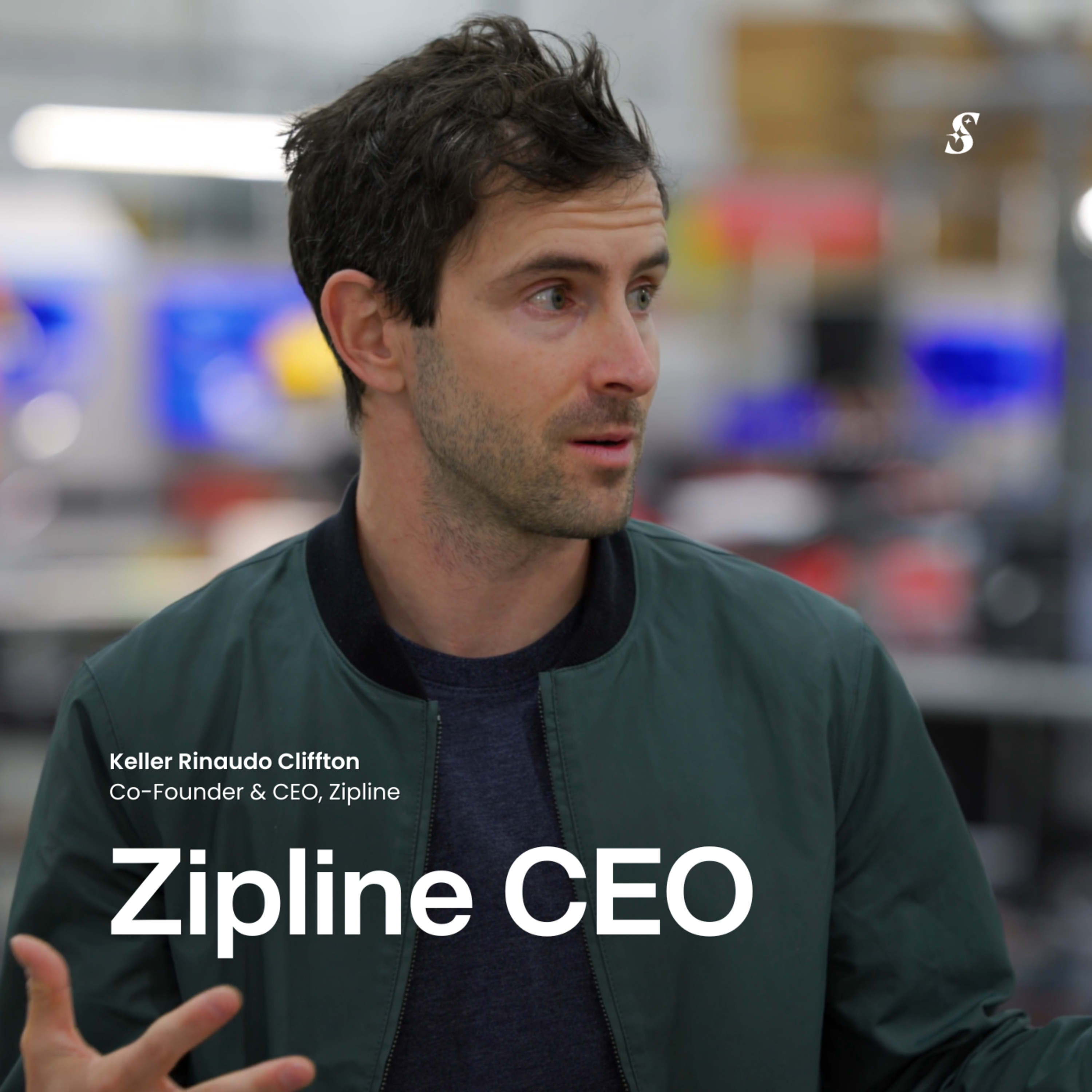
The traditional foreign aid model creates dependency. Zipline's success in Africa shows that developing countries are eager to be commercial partners, investing their own capital to purchase advanced technology like AI and robotics. This "trade, not aid" approach builds their economies and creates stronger alliances.
Two distinct anti-poverty models are evolving towards each other. Complex 'Graduation' programs (asset transfer + heavy coaching) are being simplified for scalability, while basic cash transfers are adding light-touch support to boost long-term impact. This convergence suggests an optimal model may lie between the two extremes.

Counter to the image of international teams swooping in, the UN Refugee Agency's strategy is to support, not supplant, local community responders. Recognizing that local actors are the first to help and will remain after the crisis abates, the most effective aid strengthens their capacity rather than creating parallel systems.

IREN strategically builds new data centers where old manufacturing has shut down. These locations possess heavy electrical infrastructure—sunk capital—that can be repurposed. This allows IREN to rehire and retrain local workforces, bringing a new high-tech industry to economically depressed towns.

The current movement towards impact-focused business is not just a trend but a fundamental economic succession. Just as the tech revolution reshaped global industries, the impact revolution is now establishing a new paradigm where companies are valued on their ability to create both profit and positive contributions to society and the planet.

The rebrand wasn't about changing the mission, but better communicating existing work—like venture capital and seed insurance—to donors who saw "Mercy Corps" as purely emergency relief. The new name, Prosper Global, aims to shorten the fundraising conversation by stating their long-term, prosperity-focused values upfront.
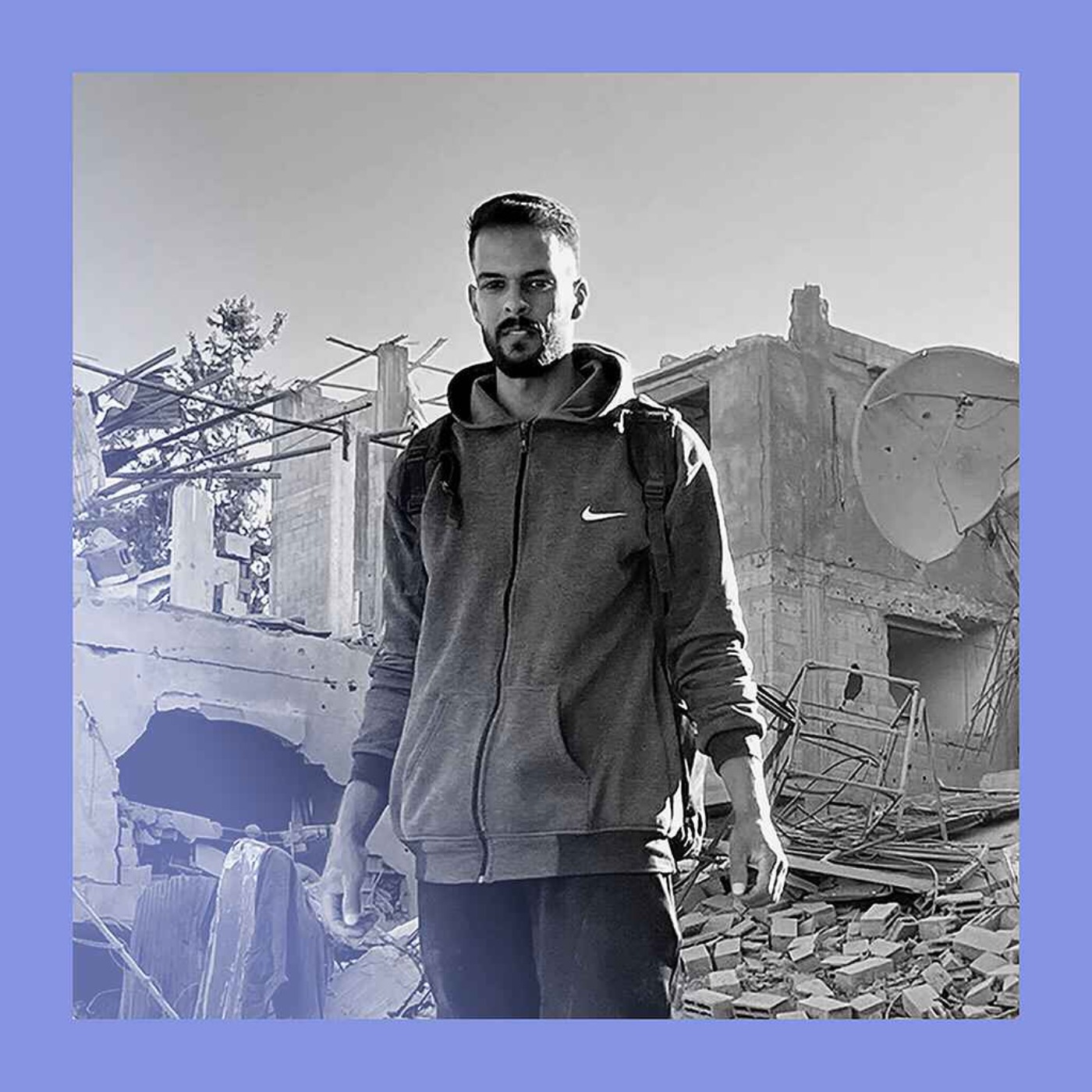
Effective reconstruction in Gaza must prioritize creating meaningful employment and educational opportunities for its young population. This approach addresses the profound loss of purpose and hope, which is a more critical need than simply rebuilding physical structures. Without restoring hope, a future cannot be pursued.
Government-administered aid programs are often highly inefficient, with significant overhead costs meaning only "cents on the dollar" reach the intended recipients. A more effective solution is to provide direct cash transfers or vouchers, empowering individuals to spend the money within the existing private market.

Applying her Salesforce experience to Direct Relief, CEO Amy Weaver emphasizes that scaling a humanitarian organization requires the same discipline as a tech company. Investing in robust systems and streamlined processes is crucial. A "rickety platform" will prevent a non-profit from scaling its impact, no matter how noble its mission.
Providing microloans for water access does more than save time; it unleashes a cascade of entrepreneurship. Recipients leverage their water source to launch multiple businesses—from selling surplus water and making bricks to farming and rental properties—creating a powerful economic impact far beyond the initial loan's purpose.
