Get your free personalized podcast brief
We scan new podcasts and send you the top 5 insights daily.
Schwab's CIO, Omar Aguilar, asserts that a core philosophy for success in asset management is the tight integration of product creation (manufacturing) with a robust client delivery network (distribution). He learned this lesson across roles at Lehman Brothers, ING, and Schwab, concluding one cannot thrive without the other.

Related Insights
Mike Kelly realized becoming a legendary investor was a crowded field. He strategically pivoted to a less competitive space: building and managing institutional-quality asset management firms. This shift from "player" to "team owner" is a blueprint for finding an uncontested career niche.
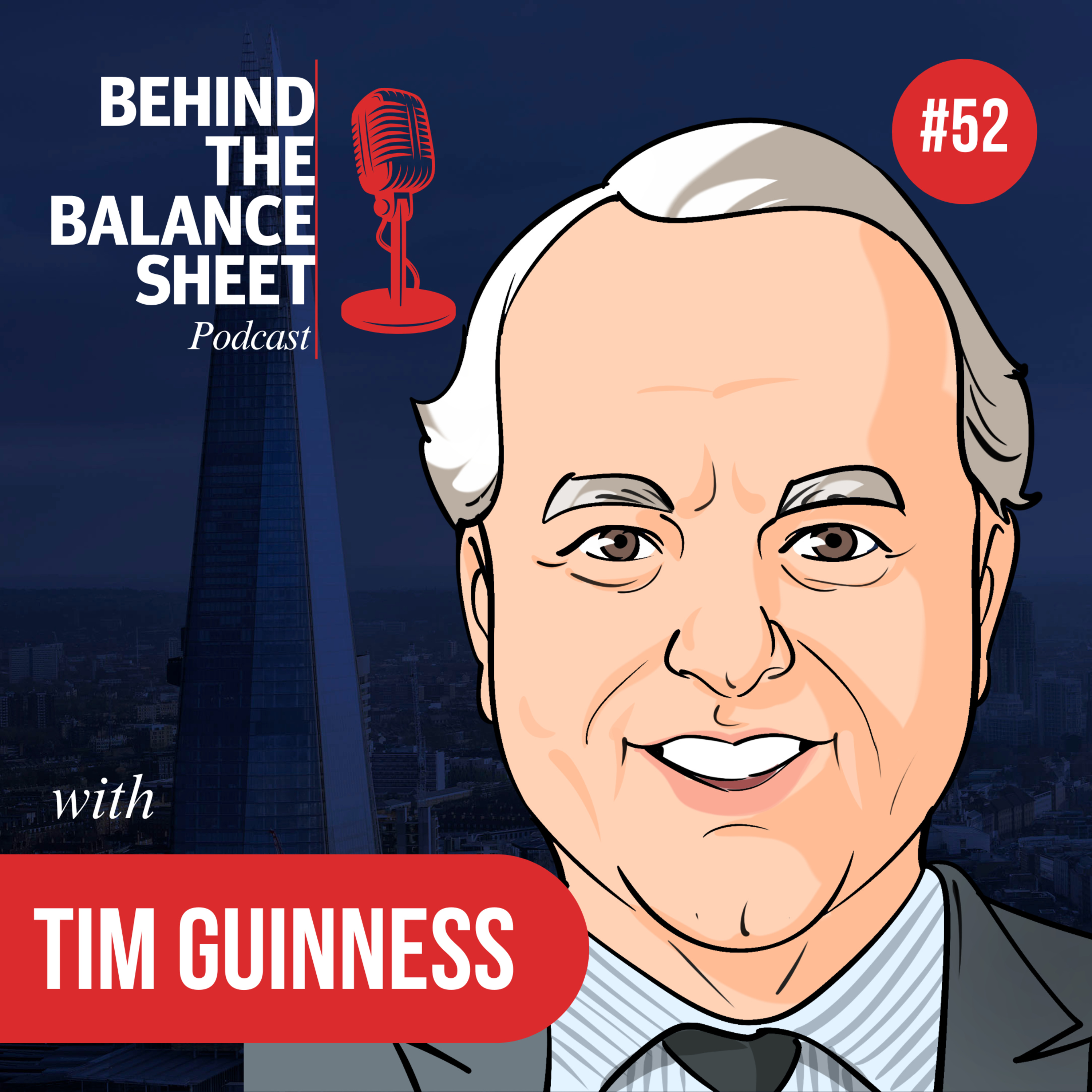
Tim Guinness identifies the biggest risk to asset management firms as disintermediation by platforms and wealth managers who can launch their own funds. To secure their future, he believes firms like his must evolve by moving into the platform and wealth management business to own the end-customer relationship.
Omar Aguilar's career trajectory was not a linear plan but was shaped by major Wall Street events like the Deutsche Bank-Bankers Trust merger, 9/11, and the 2008 crisis. These external shocks forced pivots that led him from one firm to the next, highlighting the role of market turmoil in career progression.
The pandemic prompted Blackstone's credit arm to shift from siloed business units to a unified structure. They created a horizontal CIO office to connect teams, standardize underwriting, and ensure insights from one area (e.g., private equity) inform decisions in another, creating a more resilient system.

A diversified asset manager offers various unrelated strategies. In contrast, a true "platform" is an interwoven system with shared underwriting, origination, and insights across strategies. This collaboration aims to improve client outcomes, making the whole greater than the sum of its parts.
Schwab grew its asset management arm by not forcing its products on clients. It created a commission-free platform with third-party options, building trust that led clients to organically choose Schwab's transparent, low-cost ETFs, even attracting 35% of new ETF assets from outside its own ecosystem.
The success of acquiring a founder-led asset manager depends less on its track record and more on the founder's willingness to transition from a self-focused P&L mentality to an employee mindset within a larger entity. This psychological shift is the primary determinant of a successful integration.

The wealth management industry forces advisors to stitch together separate systems for custody, reporting, and billing—even though the custodian holds all the data. This illogical fragmentation, built on mainframe tech, creates a massive opportunity for a modern, all-in-one platform to provide a superior solution.
The massive asset management sector relies on legacy service providers using disparate tools like QuickBooks and Excel. This creates manual bottlenecks and data silos, presenting a huge opportunity for integrated, AI-native solutions to provide efficiency and automation at scale.

The traditional division between C-suite strategists and employee executors is obsolete. With rapidly shortening business cycles, strategy must be treated as a dynamic, iterative process developed collaboratively with the people on the ground executing it.