Get your free personalized podcast brief
We scan new podcasts and send you the top 5 insights daily.
A spy named Charles Sled infiltrated the inner circle of the Jesuit mission by posing as a loyal servant. He attended secret meetings while pouring wine, gathering names and plans which he then delivered directly to spymaster Francis Walsingham, crippling the operation.

Related Insights
An 'access agent' is recruited to gain proximity to powerful individuals who cannot be recruited directly. Epstein's role was likely to provide a comfortable environment for targets, gather compromising material (kompromat) via hidden cameras, and leverage that access for intelligence gathering.

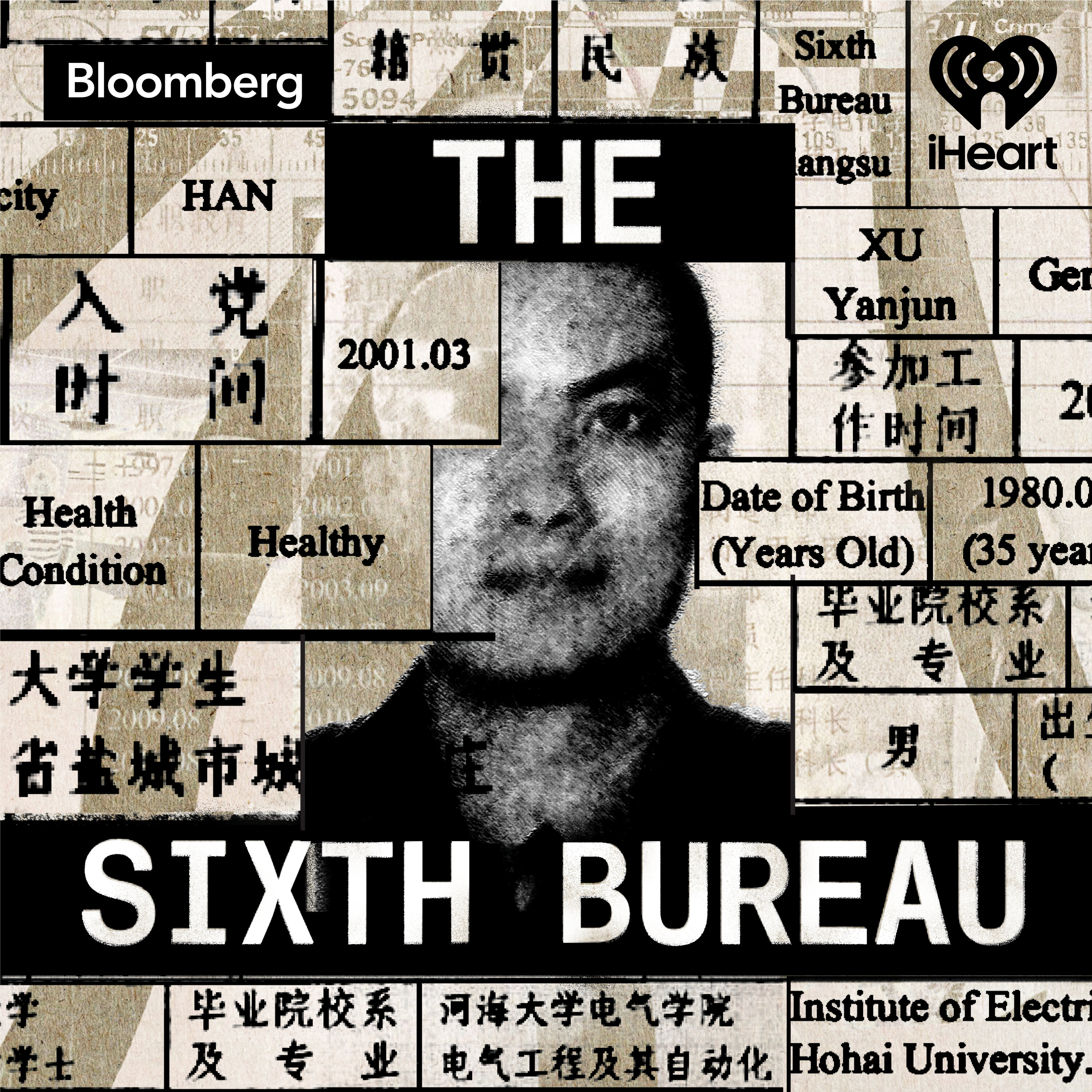
An undercover FBI agent approached a Chinese spy not as a threat, but as an ally. By fabricating a story that the spy's handler was arrested and communications were compromised, the agent created a sense of danger and then offered himself as the sole safe channel, effectively isolating and controlling the target.
The Ridolfi Plot, which implicated Mary Queen of Scots, may not have been simply uncovered but actively manufactured by spymaster William Cecil. By potentially turning the plot's agent into a double agent, Cecil could engineer the "proof" he needed to expose his enemies and pressure Elizabeth into taking decisive action.
The resistance network's downfall came from Georges Gaston Quillon, a criminal who posed as a French fugitive officer. He successfully fooled the network's leaders, including Cavill, gathered intelligence for two weeks inside her clinic, and reported back to his German handlers, leading to mass arrests.

Instead of stealth, Jesuit Robert Persons disguised himself as a flamboyant mercenary with a gold-braid coat and feathered cap. The over-the-top swagger was a brilliant counter-intuitive disguise because it was the antithesis of a clandestine priest.
Witnessing the St. Bartholomew's Day Massacre convinced English ambassador Francis Walsingham it was a blueprint for a Catholic uprising in London. This fear of a copycat attack drove England's aggressive counter-intelligence strategy and deep-seated paranoia.
The celebrated Jesuit martyr Edmund Campion was once a brilliant Oxford student admired by Queen Elizabeth and mentored by her chief minister, Lord Burghley. His conversion made his mission seem a profound and personal betrayal to the Protestant establishment.
The ideological conflict between Protestant England and Catholic Europe was a "war in the shadows" featuring spy chiefs, codebreakers, and double agents. This created a deep paranoia about the "enemy within," mirroring the clandestine dynamics and psychological tensions of the 20th-century Cold War.
Facing a stingy monarch and a relatively poor state, spymaster Francis Walsingham invested his personal fortune to create a vast intelligence network across Europe. This personal sacrifice was crucial for establishing England's national security apparatus.
Major Catholic powers like France and Spain viewed Protestant England much as the modern U.S. might view a hostile nation: a dangerous, ideologically-driven rogue state. They believed Protestantism had shallow roots and that the English population would secretly welcome an intervention to restore Catholicism, thus justifying their plots against Queen Elizabeth.