Get your free personalized podcast brief
We scan new podcasts and send you the top 5 insights daily.
The European Union's most potent weapon against coercive US policy is not unified government action, which is slow and difficult. Instead, its true leverage lies in the ability of its large financial institutions, like pension funds, to signal moves that create market volatility and directly influence the White House.

Related Insights
Contrary to typical risk-off behavior, a financial shock originating in the US would likely be positive for the EUR/USD exchange rate. This is because it creates more room for the US Federal Reserve to reprice its policy downwards and can trigger repatriation flows out of US equities.

Major European allies like the UK and France face a "lethal problem" where raising defense spending to meet US-led targets could trigger a bond market revolt. This fiscal constraint, coupled with voter opposition to tax hikes, makes meeting these commitments politically and economically untenable.

Modern global conflict is primarily economic, not kinetic. Nations now engage in strategic warfare through currency debasement, asset seizures, and manipulating capital flows. The objective is to inflict maximum financial damage on adversaries, making economic policy a primary weapon of war.

The Greenland diplomatic row taught European leaders that their previous strategy of delicate diplomacy was ineffective with the Trump administration. By presenting credible retaliatory threats, they discovered they could achieve their objectives, signaling a major shift in transatlantic diplomatic strategy.
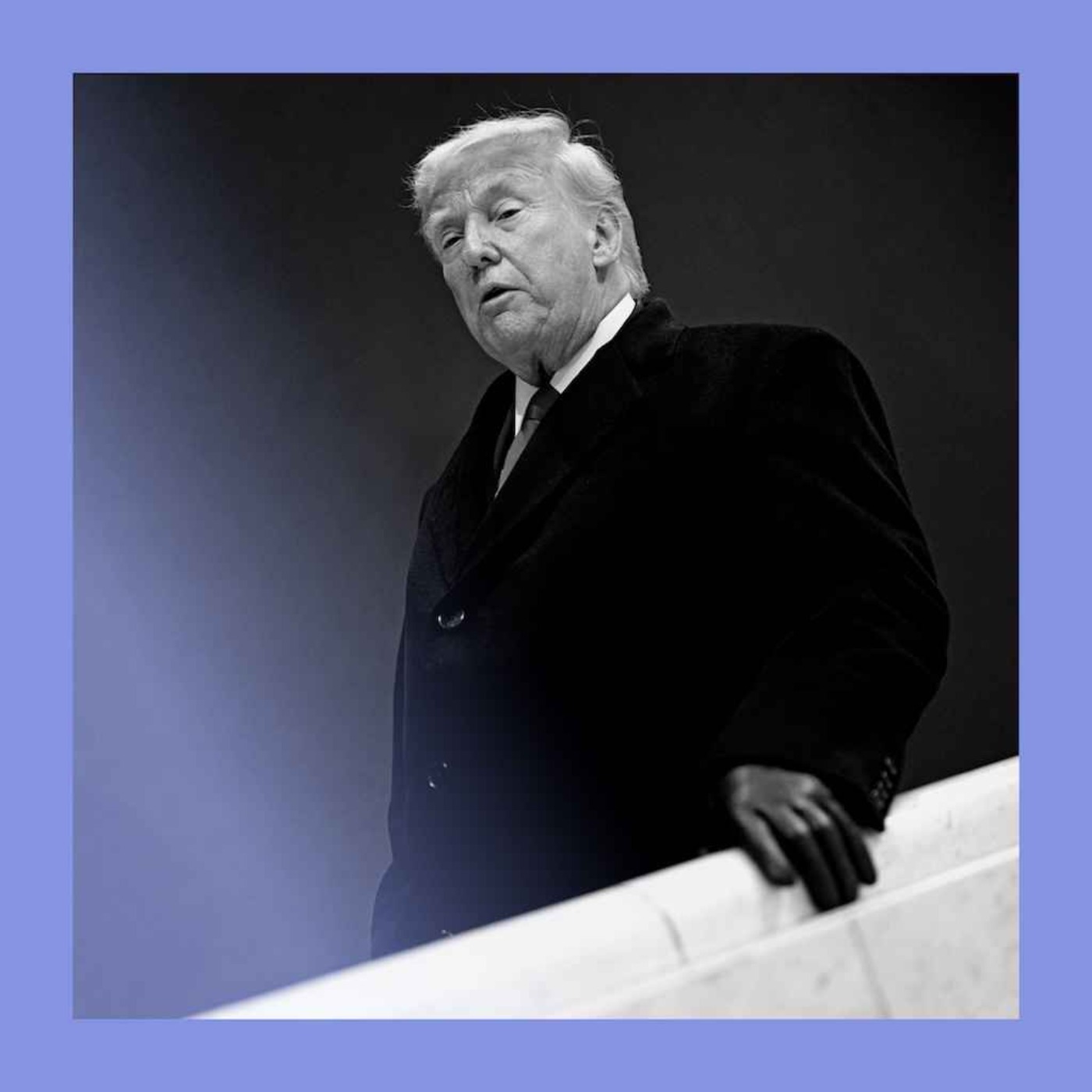
The U.S. administration's attempt to acquire Greenland and subsequent tariff threats against European allies triggered a direct, named market reaction called the 'Sell America' trade. This saw countries like Denmark actively selling off U.S. treasuries, showing a direct link between diplomatic actions and investor behavior.

Beyond the US-China rivalry, a new front is opening between Brussels and Beijing. Incidents like the French suspension of fashion retailer Shein are not isolated but symptomatic of growing European mistrust and a willingness to take action. This signals a potential fracturing of global trade blocs and increased regulatory risk for Chinese firms in the EU.

Despite small projected growth, the trade pact is a strategic response to US protectionism and Chinese trade weaponization. It aims to diversify supply chains and strengthen political ties between Europe and Latin America in a fragmenting global economy, showing its true significance is geopolitical.

Financial historian Russell Napier predicts governments will shift from fiscal/monetary tools to direct regulatory power to control capital. This involves compelling pension funds and insurers to invest in specific assets (like government bonds or domestic infrastructure) to achieve political goals, a tool he calls the "clunking fist."

Contrary to typical pessimism, European financial and government officials are relatively optimistic about their economic outlook. They believe they successfully navigated the Trump tariffs with minimal damage, though concerns about future trade disputes and unmet investment commitments remain.
The administration's aggressive, unilateral actions are pushing European nations toward strategic autonomy rather than cooperation. This alienates key partners and fundamentally undermines the 'Allied Scale' strategy of building a collective economic bloc to counter adversaries like China.
