Get your free personalized podcast brief
We scan new podcasts and send you the top 5 insights daily.
The primary delay in diagnosing mesothelioma isn't lab work, but repeated, non-diagnostic pleural fluid taps. Educating pulmonologists and thoracic surgeons to proceed to a pleural biopsy faster when suspicion is high can significantly shorten the time to diagnosis and treatment.

Related Insights
Contrary to its role in lung cancer, PD-L1 expression does not predict benefit from immunotherapy in mesothelioma. Data from major trials shows similar outcomes regardless of PD-L1 status, leading clinicians to omit this test entirely and streamline treatment decisions.
There's a growing recognition that the molecular profile of a primary tumor can differ significantly from its metastases. To guide treatment more accurately, the preferred practice is to biopsy an accessible metastatic lesion when possible, as this better reflects the biology of the active disease being treated.
To reduce treatment delays, pathologists should initiate biomarker testing reflexively. Waiting for a medical oncologist to order tests at a first visit is a system failure, wasting critical time and risking the need to retrieve archived samples.

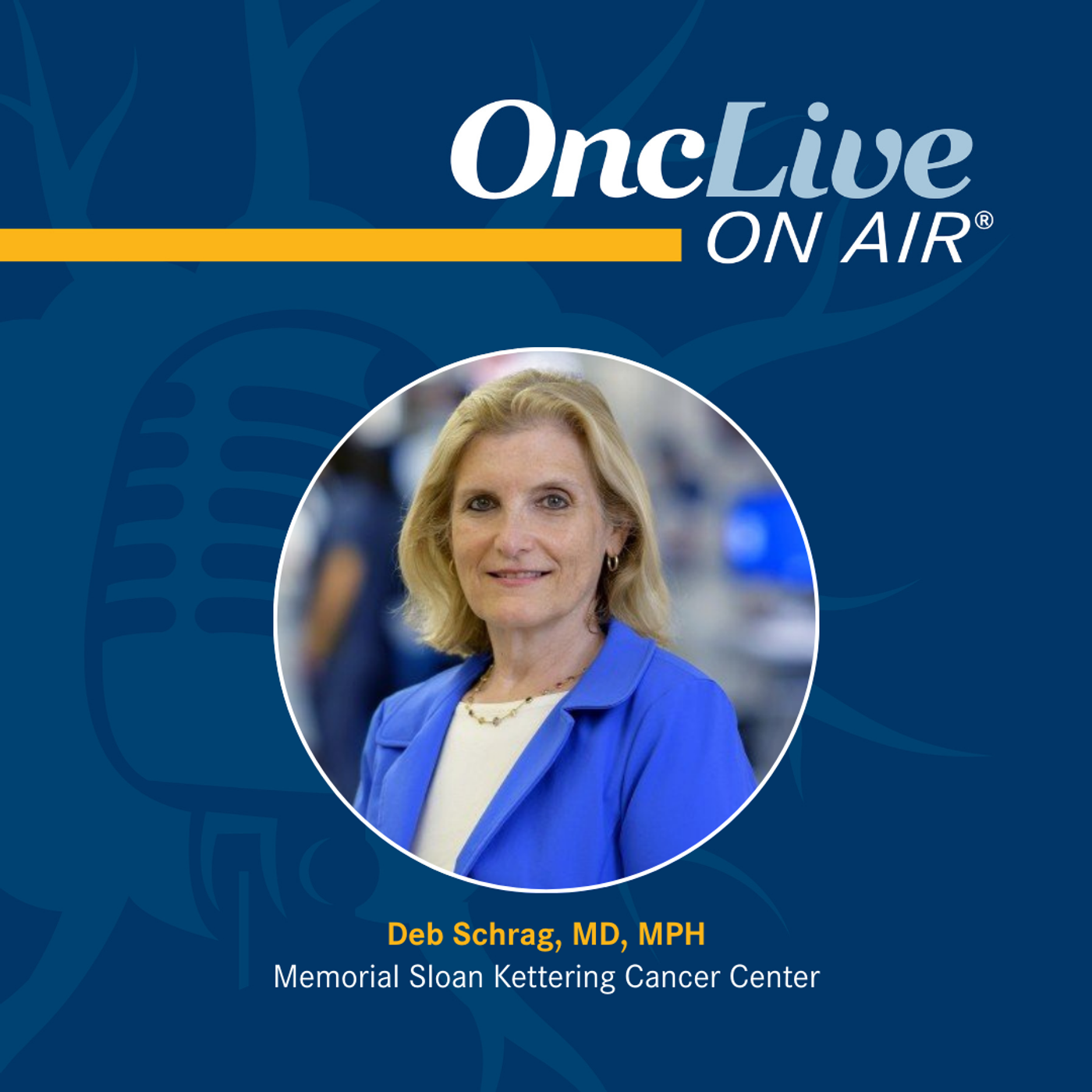
Dr. Deb Schrag suggests the main challenge for new molecular cancer screening technologies is not invention, but implementation. The critical task will be deploying these tools at a population scale and effectively managing the logistical challenge of distinguishing true positives from false alarms.
Immediate therapy is not always required for mesothelioma. For older patients with incidentally discovered, asymptomatic, and slow-growing disease, active observation is a reasonable clinical strategy. This approach avoids treatment-related toxicity while keeping a close watch on disease progression.
Clinicians ordering "NGS for lung" often misunderstand that Next-Generation Sequencing alone does not cover all actionable biomarkers, such as PD-L1 or HER2. This requires pathologists to interpret the clinician's intent and order a more comprehensive and appropriate test panel.
Data shows an average two-week delay occurs between a lung cancer patient's biopsy and the ordering of essential biomarker tests. This administrative gap, separate from the diagnostic process itself, is a major bottleneck that postpones critical treatment decisions.
For patients with very high-burden or symptomatic mesothelioma, clinicians may deviate from standard guidelines. They may choose chemo-immunotherapy to maximize the chance of a rapid response, viewing it as their single best opportunity to control the disease, especially if the patient's condition is precarious.
Frontline treatment selection hinges on histology. Non-epithelioid mesothelioma responds poorly to chemotherapy, making dual immunotherapy (Nivo/Ipi) the clear choice. For epithelioid cases, chemo-immunotherapy is a strong option, especially for symptomatic patients, due to its higher and faster response rate.
For very early-stage small cell lung cancer, surgical resection is an important and perhaps underutilized option. Beyond its therapeutic potential, surgery provides a definitive pathological diagnosis, which is crucial as some cases that appear to be small cell on biopsy may actually be other tumor types, like atypical carcinoid.