Get your free personalized podcast brief
We scan new podcasts and send you the top 5 insights daily.
Instead of viewing problems as setbacks, Jacobs sees them as the very raw material for creating value. Solving obstacles for customers, employees, or within operations is how money is made. This mindset transforms stressful challenges into opportunities for growth and profit, preventing burnout.

Related Insights
The human brain is wired to enjoy solving challenges. Asking "What puzzles would you like to solve?" sparks passion and ownership. In contrast, asking "What are your goals?" often elicits a feeling of obligation and a list of burdensome tasks, draining the work of its inherent meaning and excitement.

Koenigsegg's motto, "the show must go on," frames failures not as setbacks but as inevitable parts of innovation. This cultural mindset fosters immediate problem-solving and resilience, preventing paralysis when crises occur. It is an operational tool for teams pushing boundaries, ensuring constant forward momentum no matter the obstacle.

Daniel Ek shares a core principle from his co-founder: a company's value isn't its product or technology, but the cumulative total of all problems it solves for customers. This mental model reframes difficult challenges as direct opportunities to create significant value.

Using the story of a closed factory, Hamdi Ulukaya illustrates that what initially appears to be a devastating event can become a catalyst for unprecedented positive change. This leadership mindset reframes challenges not as setbacks to be endured, but as chances to rebuild stronger.
Conventional innovation starts with a well-defined problem. Afeyan argues this is limiting. A more powerful approach is to search for new value pools by exploring problems and potential solutions in parallel, allowing for unexpected discoveries that problem-first thinking would miss.
Don't view limitations like budget cuts or recessions as purely negative. As architect Norman Foster told Guidara, constraints force you to be your most creative. Moments of adversity are when groundbreaking, efficient, and impactful ideas are often born out of necessity.

Koenigsegg intentionally reframes "problems" as "challenges." This linguistic shift is a powerful mental model that transforms negative roadblocks into positive opportunities for growth. It encourages a mindset where individuals see obstacles as a chance to build themselves up, rather than as difficulties to be endured.
Blaming external factors like a "bad market" or "no good talent" makes you powerless. Rephrasing the problem as a personal skill deficit—e.g., "I lack the skill to attract talent"—immediately makes it solvable because you can learn new skills. This puts you back in control of the outcome.

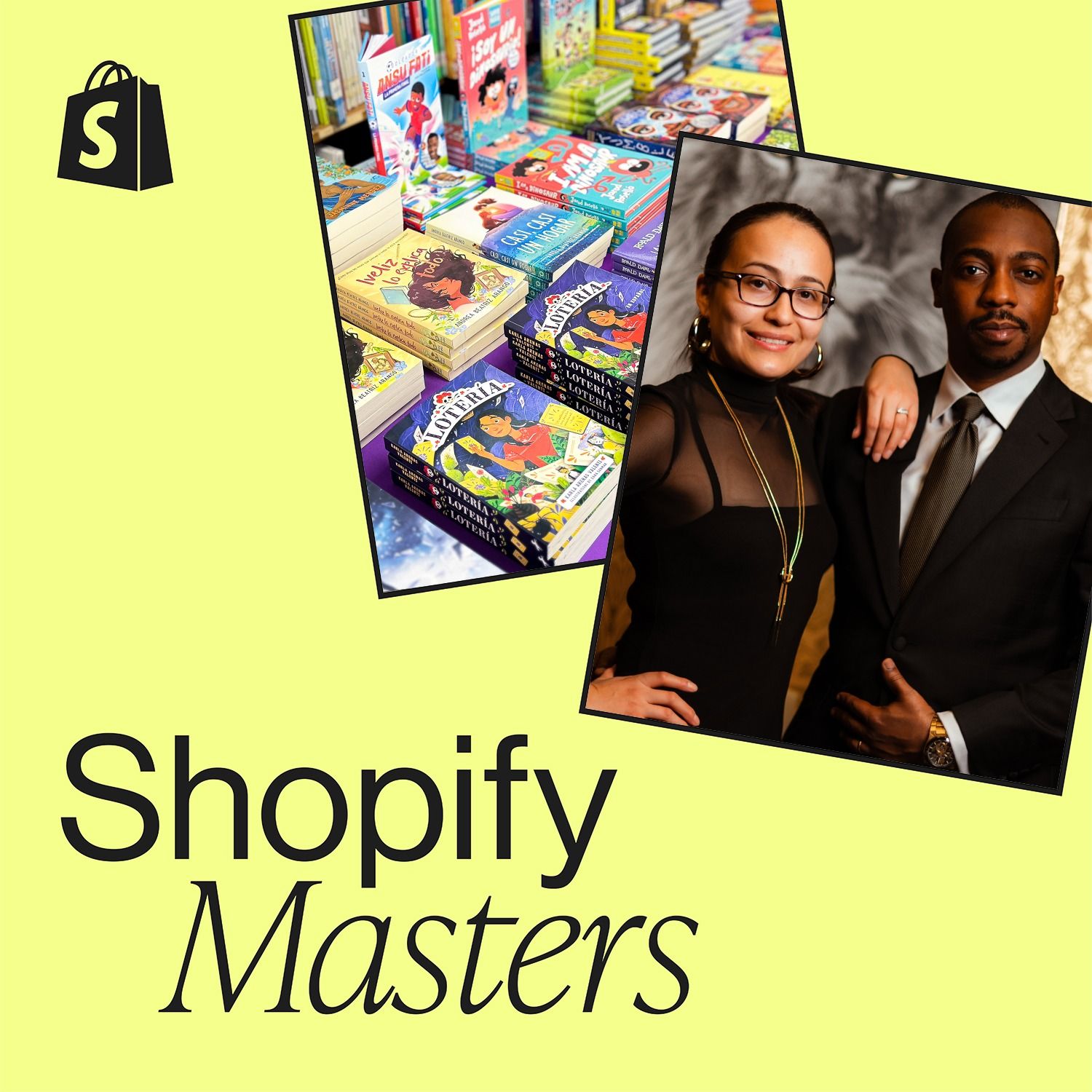
When Miha Books' operations broke—from an overflowing garage to a warehouse too small for their orders—the co-founder celebrated. He views these breaking points not as failures, but as positive indicators of growth. Each 'break' is simply the next problem to solve on the path to scaling the company.
Faced with a 405-minute flight delay, the speaker immediately reframed the negative situation. Instead of frustration, he saw it as a bonus morning to work out, catch up on work, and spend valuable, unexpected time with his children before his trip. This mindset turns disruptions into assets.
