Get your free personalized podcast brief
We scan new podcasts and send you the top 5 insights daily.
After graduating, Essentially Sports' founders got day jobs, causing the site to lose momentum and traffic. The project survived this critical "lull" only because the founders maintained a shared belief that it was "bigger than them," leading to its eventual revival.

Related Insights
When facing major life changes like a new child or a demanding job, the solution isn't to "hustle harder." Instead, successful founders intentionally pause large, demanding projects (like a new SaaS) and switch to smaller, "step one" businesses or maintenance mode. This preserves momentum without causing burnout.

Beyond market signals, a key internal indicator for a pivot is waning passion. When the Beluga Labs founders found themselves struggling to get excited about their initial idea just two months in, they recognized it was unsustainable for a 5-10 year journey and pivoted to something they had long-term conviction for.

Every successful founder journey includes a point where quitting is the most rational decision. Spencer Skates argues the only way to persevere is to anchor to a deeply held intrinsic motivation or a "mission that's greater than yourself." External motivators like money or recognition are insufficient to overcome this existential pain.
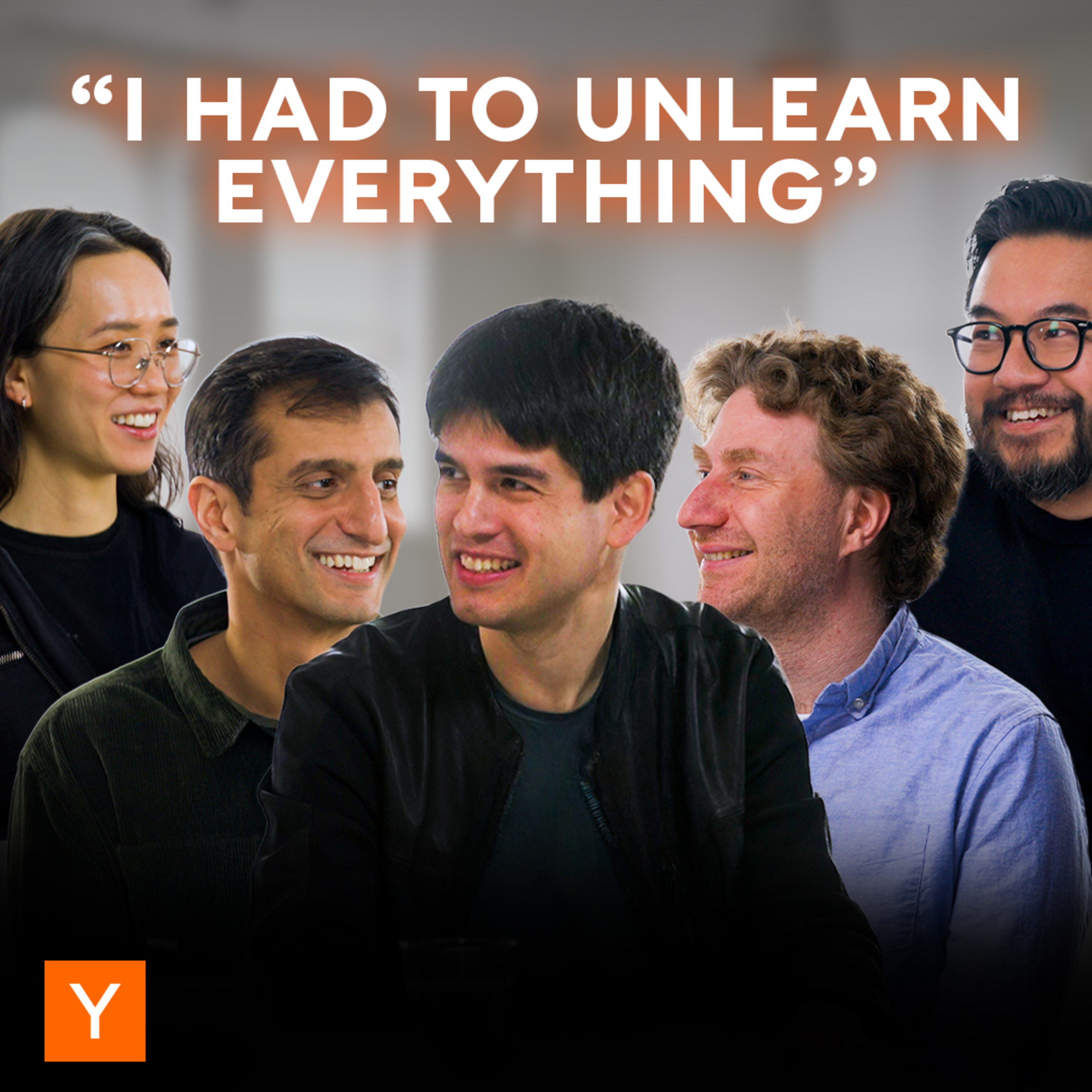
A founder's deep, intrinsic passion for their company's mission is critical for long-term success. Even with a sound business model, a lack of genuine care leads to burnout and failure when challenges arise. Leaders cannot sustain success in areas they consider a distraction from their "real" passion, like AGI research versus product monetization.

Many founders start companies simply because they want the title, not because they are obsessed with a mission. This is a critical mistake, as only a deep, personal passion for a problem can sustain a founder through the inevitable hardships of building a startup.
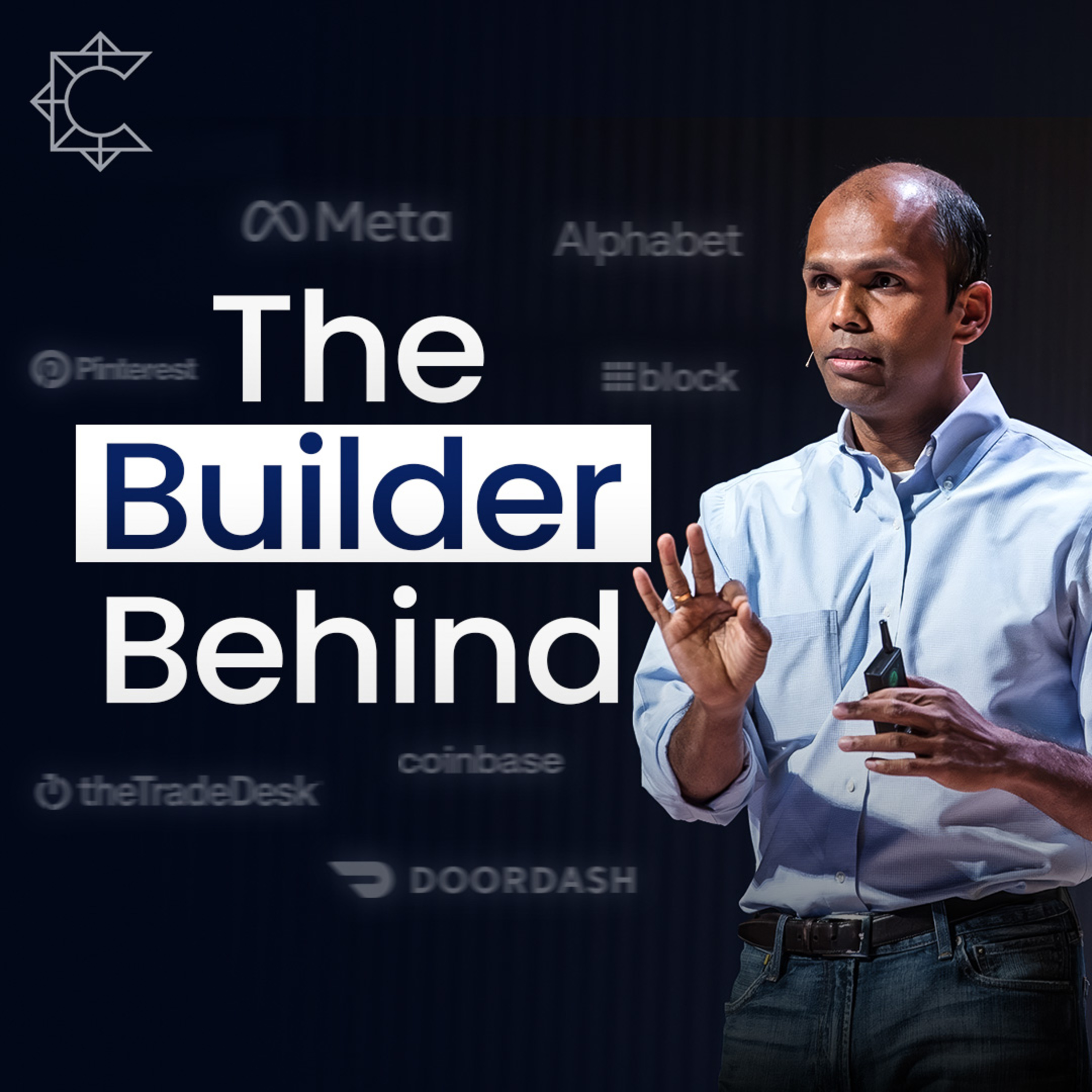
The founders of one of the world's largest sports sites operated for nearly five years with no revenue. The venture was fueled purely by their passion for self-expression and managed by volunteers before they decided to build a formal business around it.
Essentially Sports' founders went all-in after feeling unfulfilled in their corporate jobs. The catalyst wasn't a grand plan but a shared desire for ownership, leading to a disciplined weekly commitment that doubled traffic monthly even before they quit their day jobs.
When a business flatlines, the critical question isn't which new marketing channel to try. It's whether the founder has the motivation and long-term desire to reignite growth. This "founder activation energy" is a finite resource with a high opportunity cost that must be assessed before choosing a path.
After selling his company, the founder experienced six months of bliss followed by a period of feeling useless and lacking purpose. This 'valley of shadows' is a common but rarely discussed phenomenon where accomplished founders struggle with a loss of identity and intensity, ultimately driving them to build again.

Bumble's founder believes the initial, all-consuming obsession is critical for getting a startup off the ground. However, this same intensity becomes a liability as the company matures. Leaders must evolve and create distance to gain the perspective needed for long-term growth and to avoid stifling opportunity.
