Get your free personalized podcast brief
We scan new podcasts and send you the top 5 insights daily.
AI-powered chatbots do more than just engage patients in clinical trials. By analyzing the content and sentiment of a patient's queries, these systems can identify individuals at high risk of dropping out. This allows a human coordinator to intervene proactively, address concerns, and improve overall patient retention.

Related Insights
Instead of reacting with louder marketing messages, AI systems proactively identify early behavioral warning signs of disengagement. This allows for timely, relevant interventions at moments that truly matter, fundamentally shifting retention strategy from messaging to behavior.
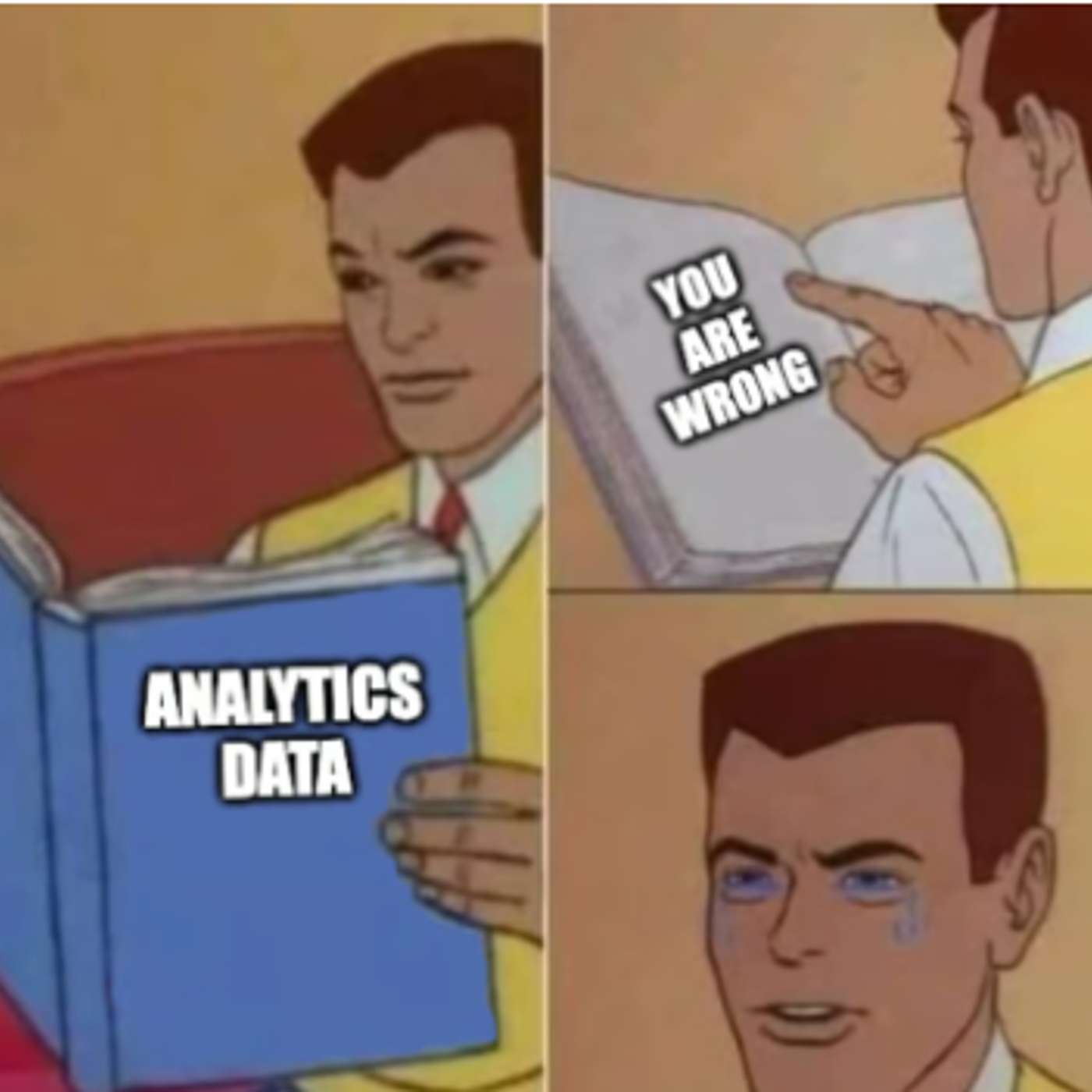
Customer churn is often a slow process of cumulative small dissatisfactions, not a single major event. AI can analyze call recordings and communications to detect these subtle, negative patterns over time, providing an early warning system that CSMs, who focus on immediate issues, often miss.

Beyond early discovery, LLMs deliver significant value in clinical trials. They accelerate timelines by automating months of post-trial documentation work. More strategically, they can improve trial success rates by analyzing genomic data to identify patient populations with a higher likelihood of responding to a treatment.

The ultimate goal of a connected patient data ecosystem is to shift from reactive support to genuinely anticipatory care. In the near future, AI agents will sense and predict risks—like non-adherence or access barriers—and trigger interventions before the patient or their physician even encounters the problem.

Patients and providers increasingly use AI agents for advice, but these tools often fail because their underlying data lacks semantic context. To provide relevant, personalized responses instead of generic ones, data must be enriched to understand the patient's specific situation and journey.
Simple text reminders for medication adherence are common. The real opportunity is using two-way, AI-powered texting to create conversations that uncover the specific reasons (out of over 250 identified) why a patient might stop taking their medication, allowing for timely and personalized interventions.
The widespread use of AI for health queries is set to change doctor visits. Patients will increasingly arrive with AI-generated analyses of their lab results and symptoms, turning appointments into a three-way consultation between the patient, the doctor, and the AI's findings, potentially improving diagnostic efficiency.

A Harvard study revealed that large language models like ChatGPT are not only as or more accurate than doctors in diagnoses but are also preferred by patients for their bedside manner. This suggests AI can fill a crucial empathy and communication gap in modern healthcare.

AI assistants can democratize medical knowledge for patients. By processing personal health data and doctor's notes, these tools can explain complex conditions in simple terms and suggest specific questions to ask medical professionals, improving collaboration.
Instead of replacing clinicians, AI's promise lies in offloading work to virtual assistants. These agents will prepare pre-visit summaries, ask patients questions beforehand, and manage post-visit follow-ups like checking on prescriptions and lab tests, acting as a force multiplier for the human care team.