Get your free personalized podcast brief
We scan new podcasts and send you the top 5 insights daily.
Research on Australian department stores revealed that the premium and downmarket stores shared more customers than expected. The reason wasn't brand positioning but a literal map: their stores were located opposite each other, making convenience a more powerful driver than perceived brand differences.

Related Insights
The Diet vs. Zero soda battle demonstrates that for quick, everyday purchases, consumers rely on surface-level cues. The branding and associated identity ("scarcity" vs "wellness") drive decisions more than the product's actual composition, which is often nearly identical. The label effectively becomes the product.

In a study, subtle gray tape lines on a gray carpet—consciously unnoticed by shoppers—steered 18% of them into a target aisle, up from just 4% before. This shows that retailers can use almost invisible environmental cues to powerfully manipulate shopper behavior and store pathing without their awareness.

Instead of viewing physical locations as the primary growth engine, reframe them as brand "touchpoints" or destinations. They build customer trust and awareness that feeds a more scalable e-commerce or wholesale business, which becomes the true engine for national growth.

A classic study found placing beer next to diapers boosted sales of both by targeting men on a specific chore. This 'mission-based' merchandising is more effective than rigid category management (e.g., all drinks together), but internal store politics and siloed departments often prevent these shopper-friendly groupings.
Meeting basic qualifications like competence and compliance is just table stakes. The key differentiator that drives loyalty and choice is being *preferable* to competitors. This preferability is often determined by factors like convenience and low effort, not just product quality.

Many brands invest heavily in "customer delight," but research shows the greatest predictor of loyalty is actually reducing customer effort. Customers prioritize speed, convenience, and simplicity over manufactured "wow" moments or even building a relationship with a brand.
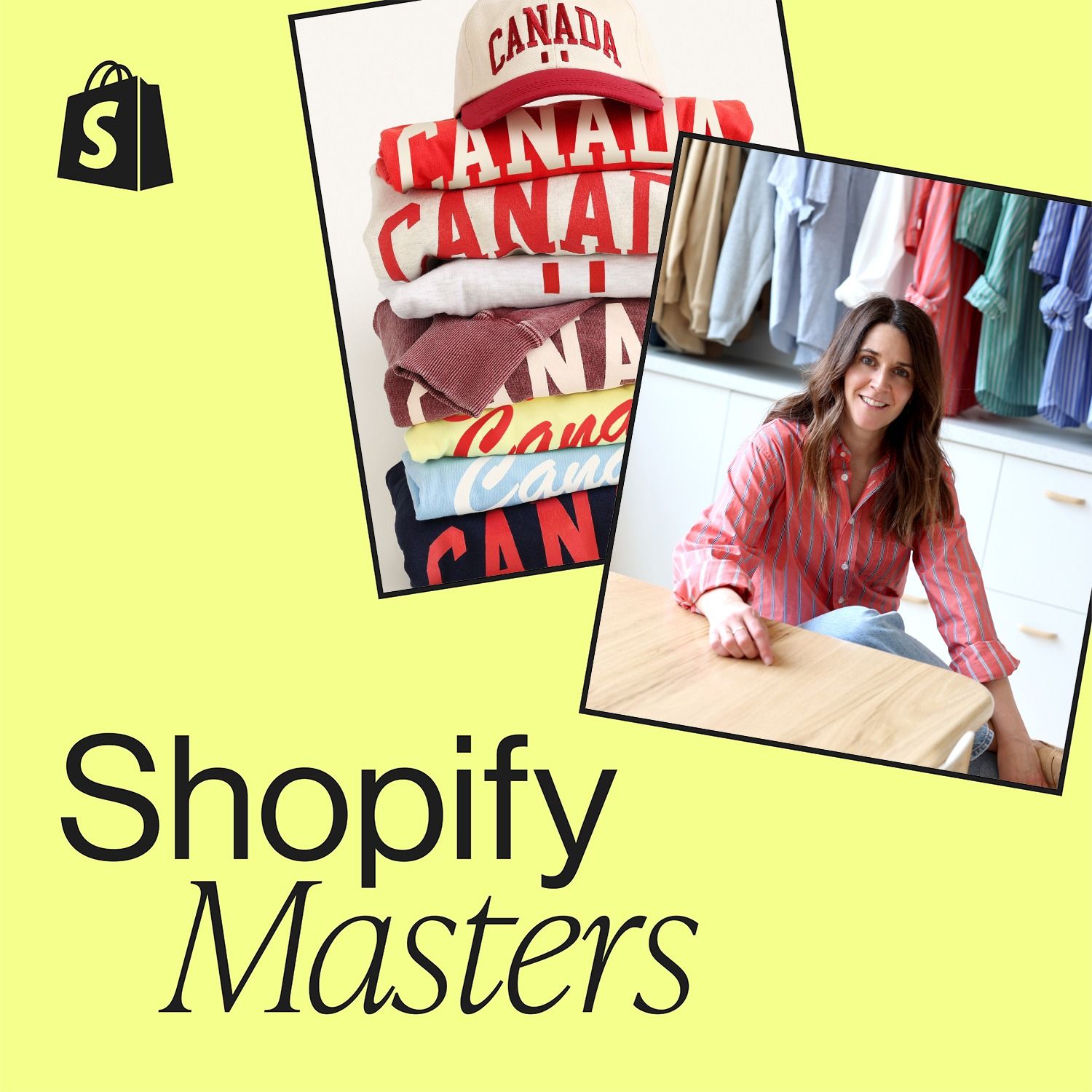
Province of Canada found their retail store didn't just add a new sales channel. It significantly boosted online orders in a radius around the location and solidified their status as a 'local business,' which was critical for surviving the pandemic through community support and curbside pickup.
In a study, a faint chocolate smell was pumped into a store. While none of the 105 shoppers interviewed afterward consciously noticed the scent, the featured chocolate brand's share jumped by 41%. This demonstrates that subconscious sensory cues can bypass rational thought and directly influence purchasing decisions.

In an era of digital overload and endless options, consumers experience decision paralysis. Brands that simplify choice architecture, like Costco, can win by making it easier for customers to feel confident in their purchase and minimize the risk of regret.
For brands with both physical and wholesale channels, physical stores should serve as marketing assets. Instead of scaling the number of locations, invest heavily in making a few stores so visually appealing and experience-driven that customers are compelled to share on social media, generating free buzz.