Get your free personalized podcast brief
We scan new podcasts and send you the top 5 insights daily.
The tuxedo rental business is six businesses in one, requiring proprietary warehouses for reverse logistics, dry cleaning, and cobbling. This operational complexity, which prevents the use of third-party logistics (3PLs), serves as a massive, capital-intensive barrier to entry for potential competitors.

Related Insights
Netflix identified video rentals as an ideal market because the return logistics were fundamentally different from standard e-commerce. This complexity made the category unattractive to giants like Amazon, creating a defensible space for Netflix to grow in.

While most tech giants focus on the digital world of "bits," Amazon's true dominance comes from its mastery of the physical world of "atoms." Its massive, hard-to-replicate logistics infrastructure for moving goods creates a formidable competitive advantage that software-only companies cannot challenge.

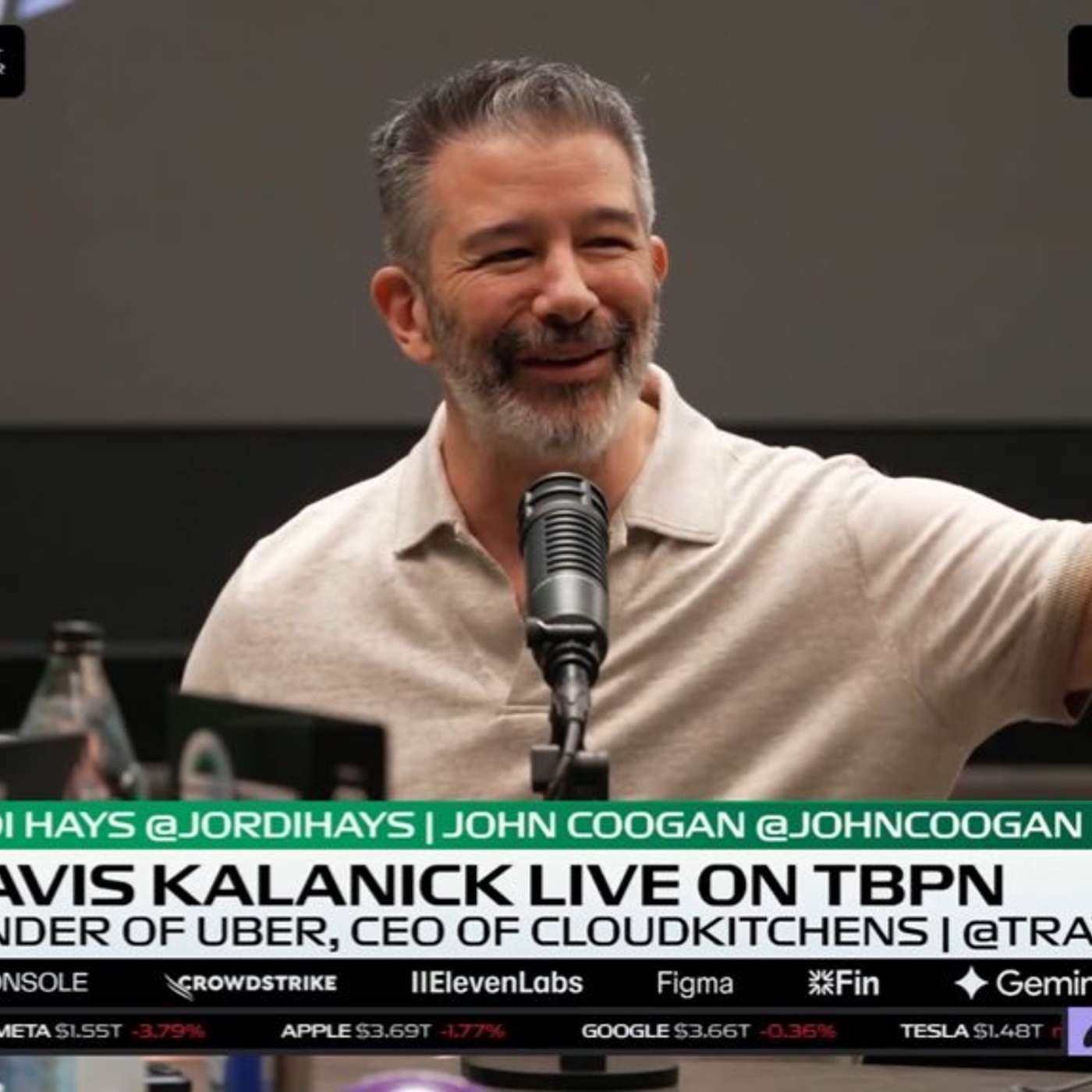
Unlike Uber's network-effect moat, Adams is building defensibility through capital-intensive physical assets. By owning billions of dollars of real estate for its cloud kitchens, it creates a massive barrier to entry that is prohibitively expensive for competitors to replicate, ensuring a durable moat.
Paralleling Amazon versus eBay, Auto1's vertically integrated model—buying cars, operating logistics, and refurbishment—creates a durable advantage. This operational complexity is a high barrier to entry for asset-light classifieds models that only solve for discovery, not the entire transaction.
![Auto1: EU-sed Car Marketplace - [Business Breakdowns, EP.246] thumbnail](https://megaphone.imgix.net/podcasts/5a391928-ccce-11ed-863b-7bdbc773faf2/image/55364bb6a294c4be08365a4dccb94c73.jpg?ixlib=rails-4.3.1&max-w=3000&max-h=3000&fit=crop&auto=format,compress)
While low-capex businesses are easy to start, businesses requiring significant capital for equipment or technology create a financial barrier to entry. This reduces competition, allowing for more pricing power and long-term defensibility once you've achieved success.

Unlike D2C competitors who are primarily marketers that outsource production, Spot & Tango vertically integrated by building its own factory. This contrarian move created a strong competitive moat through proprietary processes, quality control, and supply chain ownership.

Scale creates a powerful barrier to entry in logistics. A dominant provider with a vast network can add a new, specific service (like pallets for celery) to its existing operations far more cheaply than a new competitor could build a network for that single service, effectively locking out competition.

Unlike dry goods, the frozen food category has high barriers to entry due to the significant logistical complexity and operating leverage required for a cold supply chain. This provides incumbents like Nomad Foods with a durable competitive advantage against new competitors and private label brands.

The infrastructure to produce daily gummy packs at scale did not exist, forcing Grüns to start with a manual process involving 20 people hand-packing products. This initial, unscalable effort was a necessary step to developing a proprietary, automated supply chain that now serves as a significant competitive moat.

By buying cars and holding them on its balance sheet, AUTO1 contradicts the asset-light tech trend. This capital-intensive approach enables vertical integration and builds a formidable moat that asset-light classifieds platforms cannot easily overcome, leading to long-term defensibility as competitors fail.
