Get your free personalized podcast brief
We scan new podcasts and send you the top 5 insights daily.
Early distributed systems relied on users locking replicas, which was fragile as it depended on remote actors. Barbara Liskov's key insight was to shift control to the replicas themselves, making them responsible for coordination. This paradigm shift was foundational for modern, robust replication protocols.

Related Insights
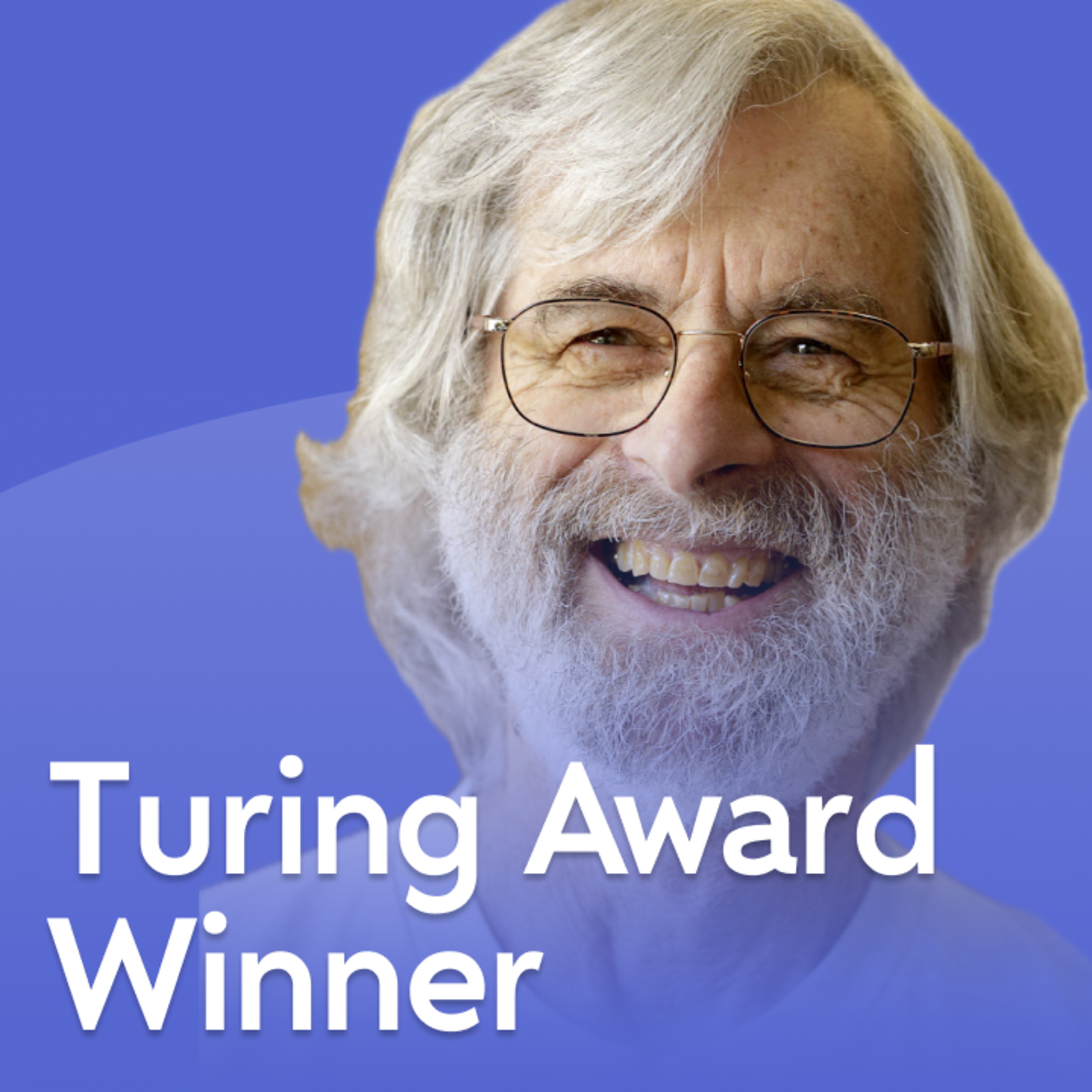
Leslie Lamport reveals that the concept of using state machines to build distributed systems was a key part of his seminal "Time, Clocks" paper. However, this practical idea was completely overshadowed by the more theoretical "happened-before" relation. He had to reread his own paper to confirm he wasn't "going crazy" when people claimed it wasn't there.
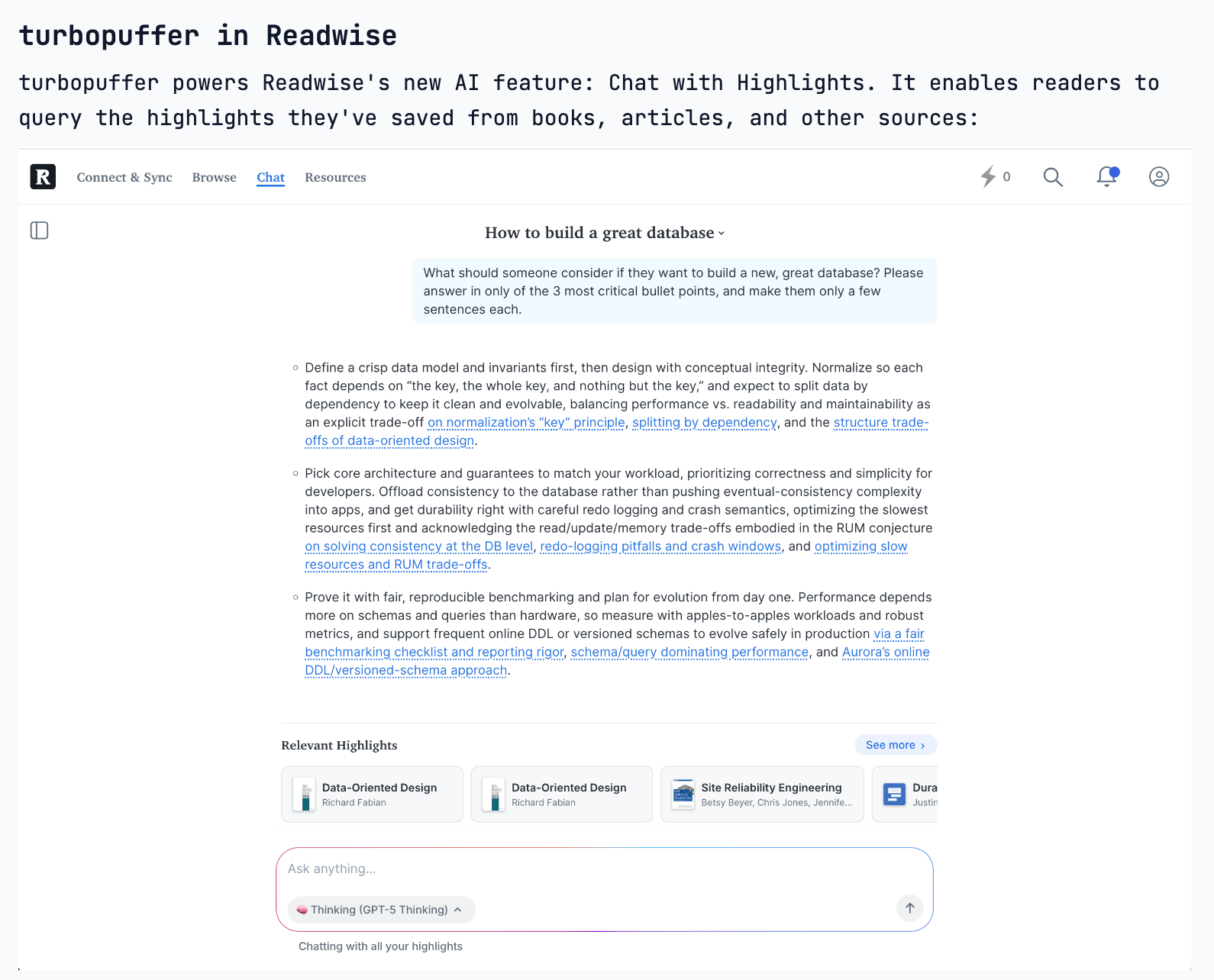
Turbopuffer's design avoids a complex consensus layer (like Zookeeper) by relying on two recent cloud primitive upgrades: S3's strong consistency (post-2020) and a compare-and-swap feature for metadata updates. This creates a simpler, more robust, and stateless system.
Bitcoin wasn't created in a vacuum. Its founder, Satoshi Nakamoto, explicitly identified in early emails that the core technical challenge was solving the "Byzantine agreement" problem, a long-standing issue in distributed computing research. This reveals the deep, often unacknowledged, scientific roots of modern blockchain technology.
Liskov and Leslie Lamport independently created the same distributed consensus algorithm. However, Lamport's "Paxos" became far more famous than Liskov's "ViewStamp Replication." She credits this to Lamport's extensive speaking and writing on the topic, illustrating that evangelism can be as crucial as the invention itself for an idea's widespread adoption.

The popular concept of multiple specialized agents collaborating in a "gossip protocol" is a misunderstanding of what currently works. A more practical and successful pattern for multi-agent systems is a hierarchical structure where a single supervisor agent breaks down a task and orchestrates multiple sub-agents to complete it.

Barbara Liskov recalls a time when top database and operating systems researchers attended the same small conferences. This proximity made it easy to see the field as a whole and borrow concepts, like applying database transactions to distributed systems—a process much harder in today's fragmented, hyper-specialized academic landscape.
Liskov's Viewstamped Replication and Lamport's Paxos, essentially the same protocol, were developed concurrently but unrecognized as such for a decade. The creators and community failed to see the similarity, highlighting how communication gaps and different terminologies can obscure simultaneous invention even among experts in the same field.
Leslie Lamport challenges the notion that Raft is superior to Paxos because it's more "understandable." He points out that a bug was found in the very version of Raft that students preferred, suggesting their understanding was superficial. For Lamport, true understanding means being able to write a proof, not just having a "warm, fuzzy feeling."
Stonebraker claims the tech world blindly followed Google's lead on MapReduce, which was "ridiculously inefficient" compared to distributed databases. He also slams eventual consistency for failing to guarantee data integrity (e.g., preventing stock from going below zero), a tradeoff most enterprises cannot make. Google later abandoned both concepts.
Liskov notes that criticism of her Turing Award often came from people who took her contributions, like data abstraction, for granted. The ideas were so deeply integrated into modern programming that younger generations couldn't imagine a time before they existed, making the invention itself invisible—a testament to its profound impact.