Get your free personalized podcast brief
We scan new podcasts and send you the top 5 insights daily.
The intravenous amivantamab regimen has faced adoption challenges due to practical burdens on patients and clinics, including long infusion times, infusion reactions, and scheduling difficulties. The shift to a subcutaneous formulation is a critical step to overcome these non-clinical barriers.

Related Insights
In the PALOMA-3 trial, the subcutaneous formulation of amivantamab not only reduced infusion-related reactions but also unexpectedly showed a potential efficacy benefit over the IV version, including a statistically significant difference in overall survival. This suggests the route of administration may have biological implications.
The primary advantage of subcutaneous amivantamab extends beyond clinical safety to operational efficiency and patient well-being. It significantly reduces infusion time, freeing up limited oncology clinic resources and, more importantly, allowing patients with a limited life expectancy to spend less time in treatment and more with loved ones.
To improve long-term tolerability of amivantamab, some experts advocate for a "marathon, not a sprint" approach. This involves aggressive dose holds or reductions at the earliest signs of toxicity, even low-grade, to prevent side effects from escalating and ensure patients can remain on effective therapy longer.
The subcutaneous formulation is not just an alternative but should be considered the new standard of care for any patient eligible for amivantamab, regardless of the specific regimen. Its benefits are so significant that it may even expand the eligible patient pool to those previously hesitant due to long infusion times or reaction fears.
A key trend in 2025's drug approvals is that "best-in-class" therapies are distinguished not just by efficacy, but by innovations in formulation and delivery that improve the patient experience. Examples include subcutaneous versions of IV drugs and new delivery methods that expand patient access.

Despite its approval, the bispecific T-cell engager tarlatamab sees slower community adoption than prior SCLC drugs. The barrier is the logistical need for inpatient monitoring and specialized supportive care for potential cytokine release syndrome during the first two doses, a new challenge for community practices that suggests a university collaboration model.

The shift from continuous 28-day IV infusions to subcutaneous injections represents a monumental improvement in patient quality of life. It frees patients from being tethered to a pump and managing a PICC line, which complicates daily activities like showering and introduces risks like pump failure, significantly reducing the treatment burden.
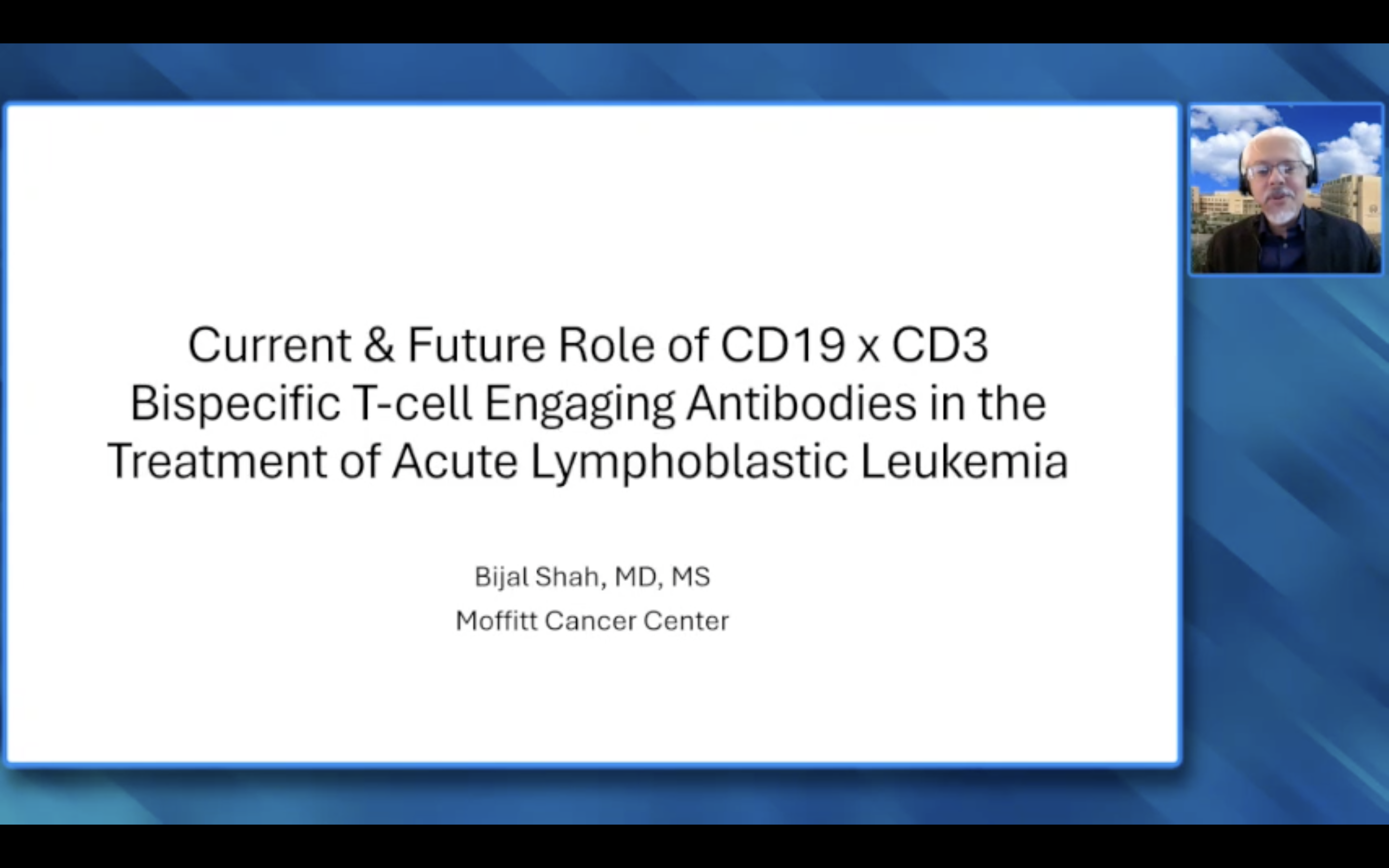
The subcutaneous formulation of blinatumomab is more than a convenience upgrade. It allows for safely achieving higher steady-state drug concentrations compared to the continuous IV infusion. This improved pharmacokinetic profile translates directly into superior efficacy, particularly in patients with high tumor burdens.
The necessary delays for screening, eligibility, and logistical setup for clinical trials and novel agents like tarlatamab can take weeks. This makes them unsuitable for patients with rapid, aggressive disease progression, forcing clinicians to rely on older, faster-acting cytotoxic therapies instead.
Despite strong efficacy data for IV-based regimens like gadatilisib, their adoption faces significant practical hurdles. For a patient population accustomed to long-term oral therapies, the logistical burden of weekly clinic infusions may limit real-world use, particularly for patients in rural areas.