Get your free personalized podcast brief
We scan new podcasts and send you the top 5 insights daily.
The subcutaneous formulation is not just an alternative but should be considered the new standard of care for any patient eligible for amivantamab, regardless of the specific regimen. Its benefits are so significant that it may even expand the eligible patient pool to those previously hesitant due to long infusion times or reaction fears.

Related Insights
The on-body injector's fixed, flat-rate dosage simplifies clinical workflow and improves safety by eliminating the need for constant, error-prone dose recalculations based on patient weight changes, which is standard for many body surface area (BSA)-based cancer therapies.

The primary advantage of subcutaneous amivantamab extends beyond clinical safety to operational efficiency and patient well-being. It significantly reduces infusion time, freeing up limited oncology clinic resources and, more importantly, allowing patients with a limited life expectancy to spend less time in treatment and more with loved ones.
A common assumption that older patients may prefer simpler, continuous medication regimens is often incorrect. Clinical experience shows that the vast majority of patients, regardless of age, are interested in a time-limited therapy option, provided it can be delivered conveniently without infusions.

When treating extramedullary disease (EMD), intravenous (IV) bortezomib should be used over the more common subcutaneous formulation. The higher peak drug concentration (Cmax) achieved with IV administration is critical for efficacy against these difficult-to-penetrate sanctuary sites.

A key trend in 2025's drug approvals is that "best-in-class" therapies are distinguished not just by efficacy, but by innovations in formulation and delivery that improve the patient experience. Examples include subcutaneous versions of IV drugs and new delivery methods that expand patient access.

Subcutaneous on-body device delivery of anti-CD38 antibodies like isatuximab nearly eliminates the high risk of infusion-related reactions common with intravenous administration, especially during the first dose. This significantly enhances patient safety and comfort in the clinic.
When efficacy and safety profiles are comparable between ADCs like sacituzumab and datopotamab, the final choice can be guided by patient logistics. Factors include infusion frequency (Day 1 & 8 vs. every 3 weeks) and total time spent at the infusion center.
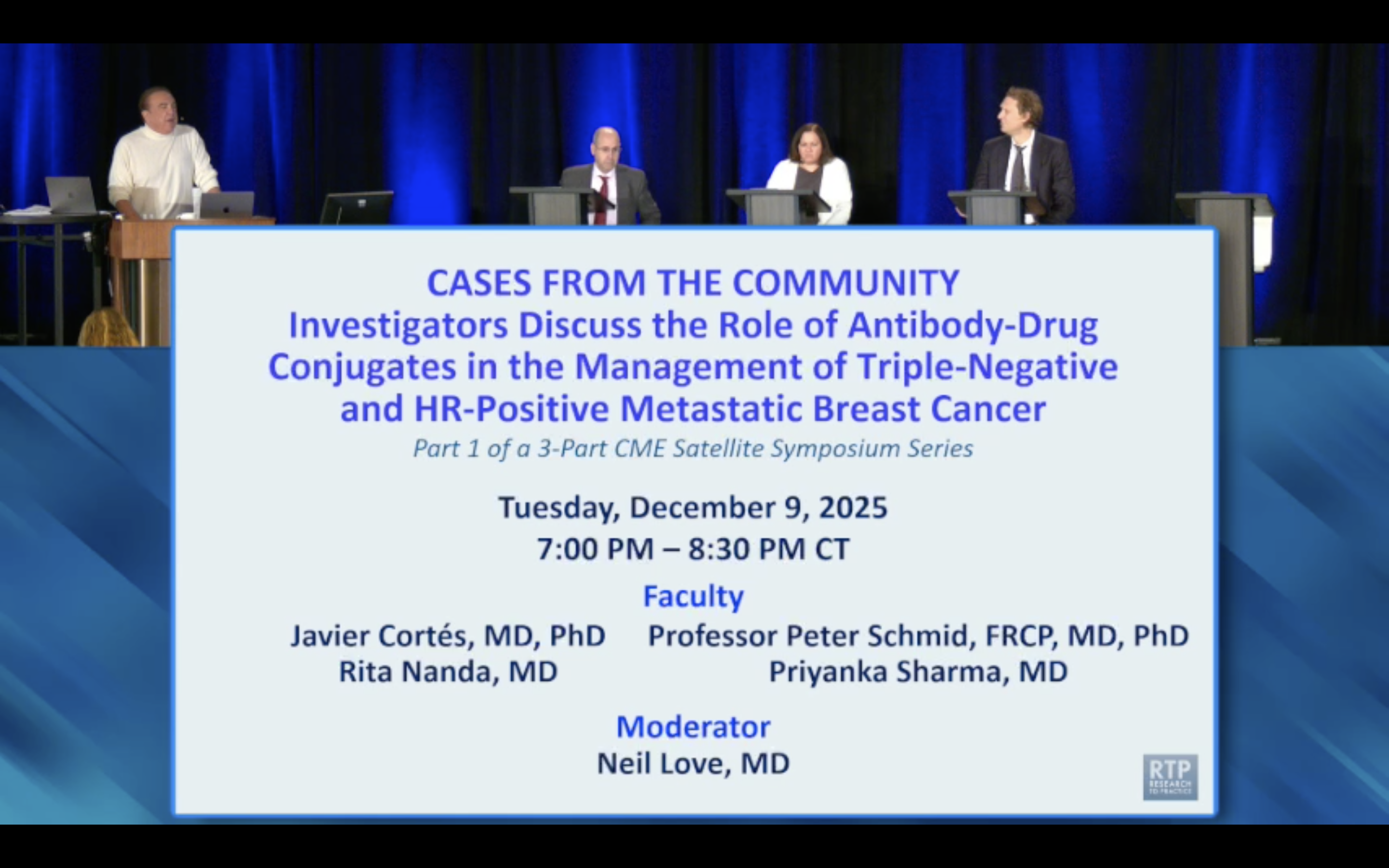
While designed to prove non-inferiority, the PALOMA-3 trial unexpectedly suggested that the subcutaneous formulation might improve overall survival compared to the IV version. Although the study wasn't powered to confirm this finding and the reason is unclear, it serves as a powerful, reassuring point for clinicians discussing treatment options with patients.
When asked about complex antibodies like ADCs and bispecifics, GSK's CSO emphasizes that extending a drug's duration is a primary innovation. He highlights a severe asthma treatment dosed just twice a year as a prime example of creating significant patient value before adding further engineering complexity.

Recent FDA approvals for Milestone's Cardamist nasal spray and J&J's subcutaneous Ribrevent Fastpro highlight a key industry trend: improving patient convenience. These products shift treatment from clinical settings to on-demand, at-home use or reduce administration time, creating value beyond just clinical efficacy.