Get your free personalized podcast brief
We scan new podcasts and send you the top 5 insights daily.
Despite strong efficacy data for IV-based regimens like gadatilisib, their adoption faces significant practical hurdles. For a patient population accustomed to long-term oral therapies, the logistical burden of weekly clinic infusions may limit real-world use, particularly for patients in rural areas.

Related Insights
Despite compelling data from trials like PATINA, some patients with ER+/HER2+ breast cancer refuse maintenance endocrine therapy due to side effects. This highlights a real-world gap between clinical trial evidence and patient adherence, forcing oncologists to navigate patient preferences against optimal treatment protocols.

The primary advantage of subcutaneous amivantamab extends beyond clinical safety to operational efficiency and patient well-being. It significantly reduces infusion time, freeing up limited oncology clinic resources and, more importantly, allowing patients with a limited life expectancy to spend less time in treatment and more with loved ones.
A common assumption that older patients may prefer simpler, continuous medication regimens is often incorrect. Clinical experience shows that the vast majority of patients, regardless of age, are interested in a time-limited therapy option, provided it can be delivered conveniently without infusions.

The development of SERDs for adjuvant therapy was stalled for two decades not by efficacy concerns, but by logistics. Fulvestrant, the first SERD, required monthly intramuscular injections, a pragmatically unfeasible strategy for a 5-year adjuvant trial, a problem only solved with the advent of oral SERDs.
Even if radioligand therapies like Lutetium-PSMA are approved for first-line metastatic prostate cancer, their real-world adoption will be significantly hampered by logistics. Most U.S. patients are treated in community practices that lack the infrastructure for these therapies, creating a major access and bandwidth problem that will temper uptake.

The rapid and successful rollout of complex bispecific therapies into community settings is primarily driven by enhanced nursing staff skills and protocols for risk stratification. This combination allows for safe outpatient administration, preventing hospital admissions and broadening patient access beyond large academic centers.
When efficacy and safety profiles are comparable between ADCs like sacituzumab and datopotamab, the final choice can be guided by patient logistics. Factors include infusion frequency (Day 1 & 8 vs. every 3 weeks) and total time spent at the infusion center.
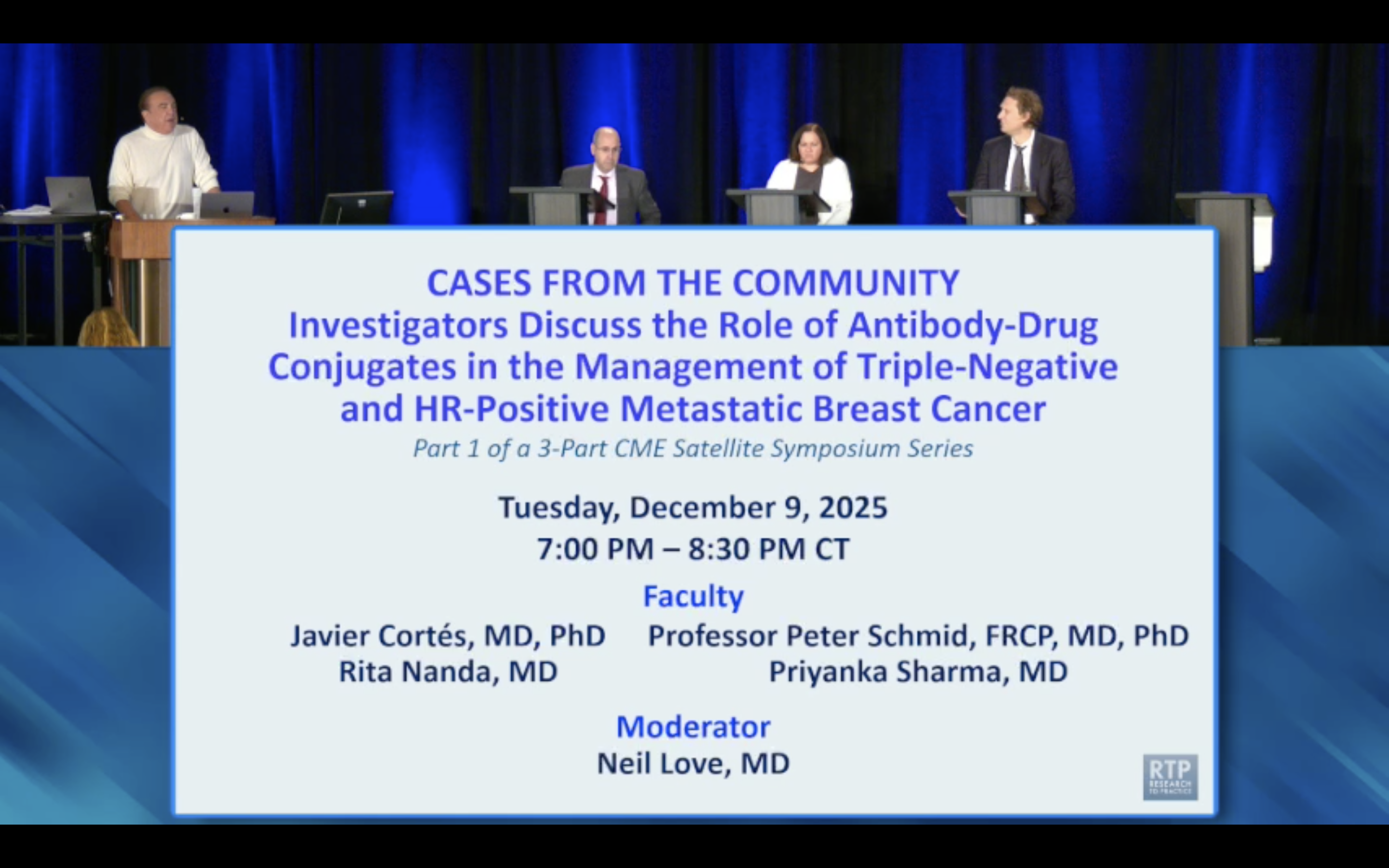
Despite its approval, the bispecific T-cell engager tarlatamab sees slower community adoption than prior SCLC drugs. The barrier is the logistical need for inpatient monitoring and specialized supportive care for potential cytokine release syndrome during the first two doses, a new challenge for community practices that suggests a university collaboration model.
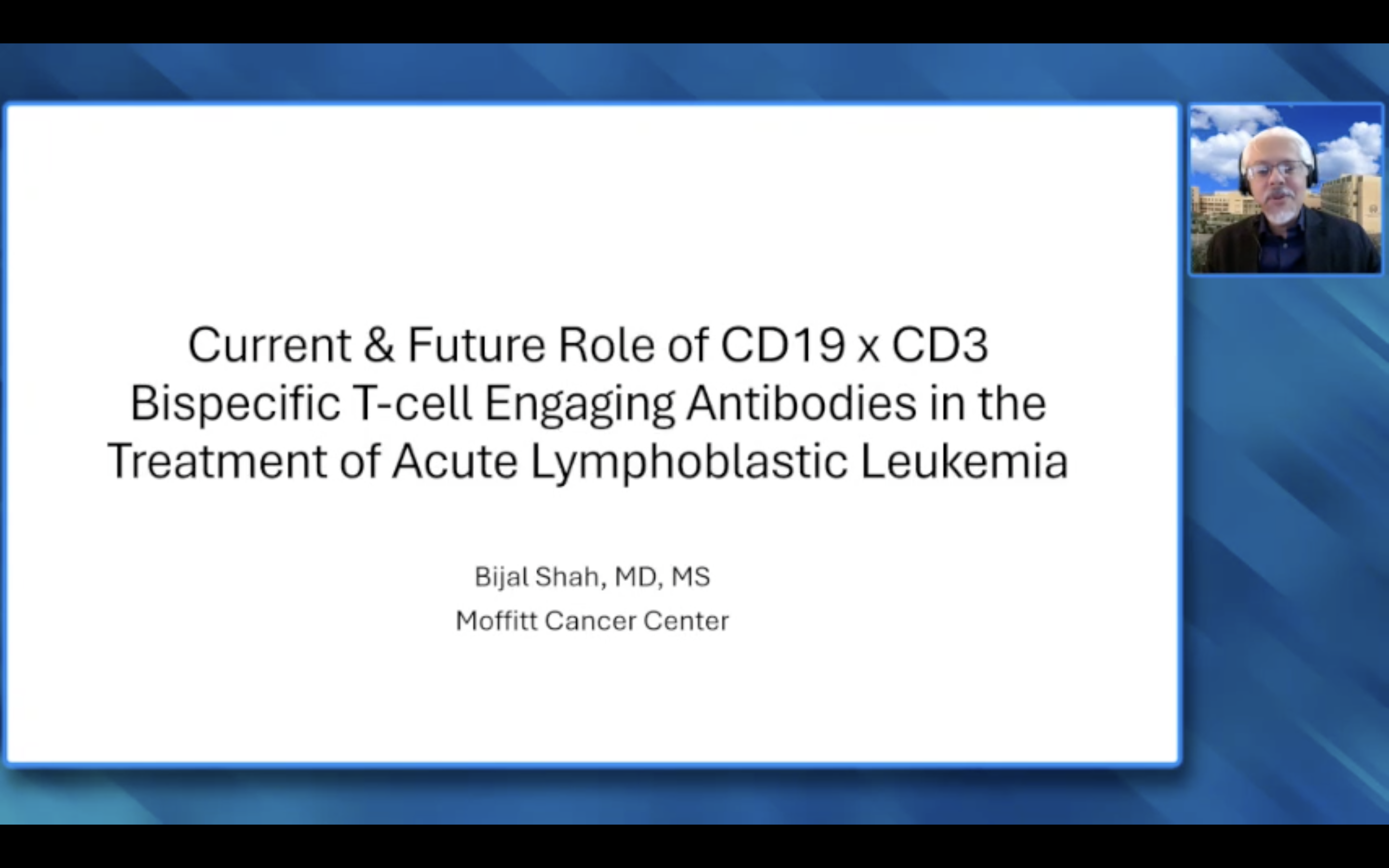
The subcutaneous formulation of blinatumomab is more than a convenience upgrade. It allows for safely achieving higher steady-state drug concentrations compared to the continuous IV infusion. This improved pharmacokinetic profile translates directly into superior efficacy, particularly in patients with high tumor burdens.
As multiple effective Antibody-Drug Conjugates (ADCs) become available, the primary clinical challenge is no longer *if* they work, but *how* to use them best. Key unanswered questions involve optimal sequencing, dosing for treatment versus maintenance, and overall length of therapy, mirroring issues already seen in breast cancer.