Get your free personalized podcast brief
We scan new podcasts and send you the top 5 insights daily.
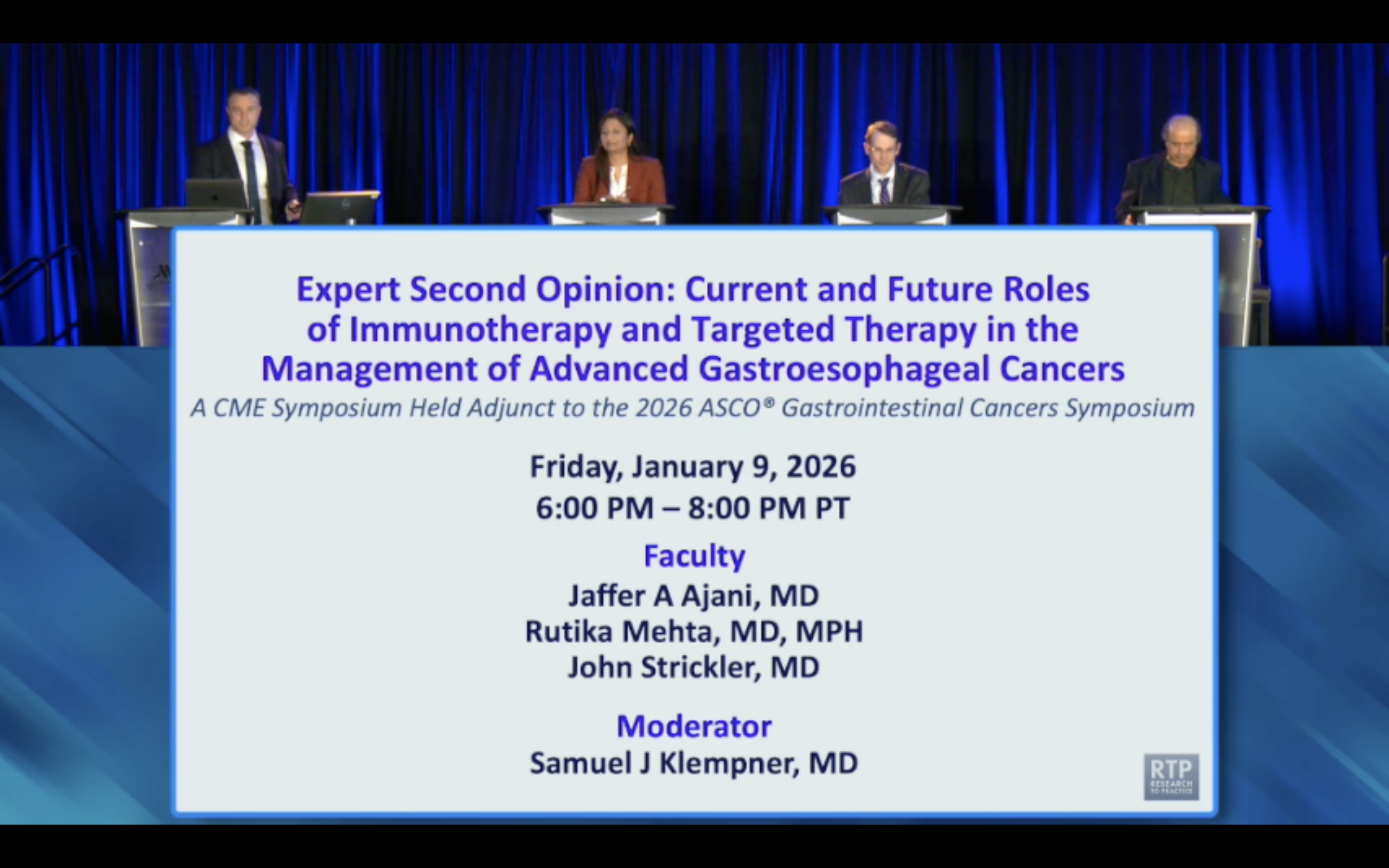
For frail elderly patients, it's crucial to discern if poor performance status stems from disease or comorbidities. A practical approach is to initiate treatment with biologic agents alone. If the patient's status improves, it confirms the cancer is the cause, justifying the subsequent, careful addition of cytotoxic chemotherapy.

Related Insights
Patient assessment for small cell lung cancer (SCLC) treatment extends beyond the standard ECOG performance status. Clinicians incorporate bone marrow fitness, geriatric tools like the CARC score, and social determinants like caregiver support and transportation to create a holistic and individualized treatment plan.

For patients over 75 with metastatic gastric cancer, a common practice is to reduce the oxaliplatin dose from 85 to 65 mg/m² and universally omit the 5-FU bolus from the FOLFOX regimen. This pragmatic approach aims to maintain efficacy while minimizing toxicity in a more vulnerable population.
The modern practice of waiting for detailed diagnostic and genetic information before starting AML therapy provides a crucial, previously unavailable window of time for clinicians to conduct thorough fitness and geriatric assessments on their older patients.

For frail elderly patients with HER2+ gastric cancer, starting with targeted therapy and immunotherapy alone can gauge response and tolerance. Cytotoxic chemotherapy can be added later if the patient's performance status improves, distinguishing disease-related frailty from baseline comorbidities.
When treating elderly patients (e.g., age 80+) with metastatic breast cancer, clinicians may prioritize quality of life over marginal overall survival gains seen in clinical trials. This justifies using a better-tolerated CDK4/6 inhibitor like palbociclib, even though ribociclib has demonstrated a statistical survival benefit, especially when patients have comorbidities or a preference for fewer side effects.
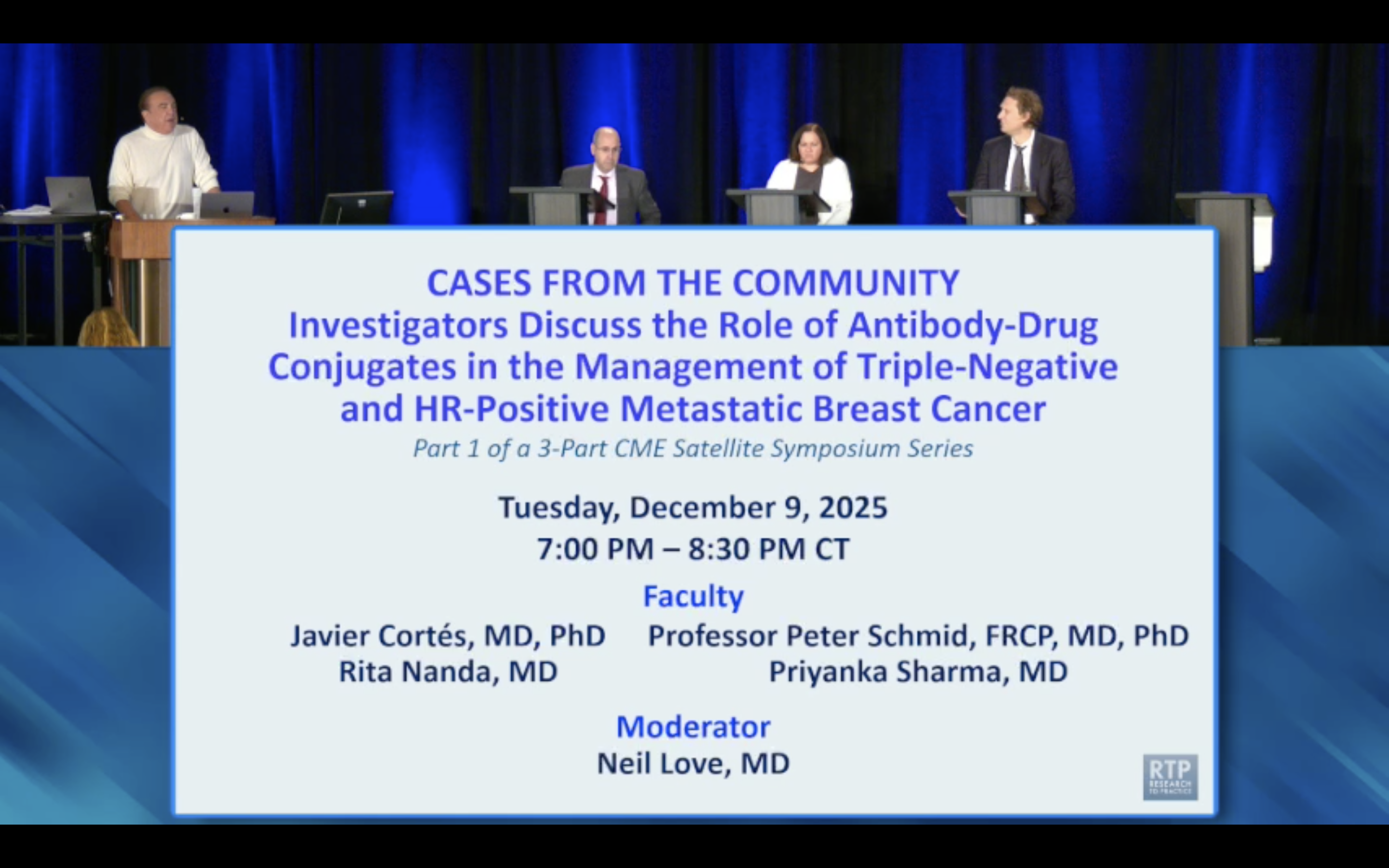
In metastatic breast cancer, approximately one-third of patients are unable to proceed to a second line of therapy due to disease progression or declining performance status. This high attrition rate argues for using the most effective agents, such as ADCs, in the first-line setting.
As a practical standard of care for elderly patients, one clinician universally avoids the 5-FU bolus in metastatic settings and reduces the oxaliplatin dose in the FOLFOX regimen from 85 mg/m² to 65 mg/m² for most patients over age 75. This adjustment balances efficacy with improved tolerability in a more vulnerable population.
For older, transplant-ineligible myeloma patients, quadruplet regimens are not administered at full strength. Clinicians proactively reduce doses of bortezomib, lenalidomide, and dexamethasone based on patient fitness and renal function to manage toxicity while maintaining efficacy.
In third-line mCRC, drug selection is heavily guided by a patient's accumulated toxicities. For instance, a patient with bone marrow issues from prior chemotherapy might receive a VEGF inhibitor instead of another chemotherapy agent, prioritizing tolerability and quality of life.

Even when a new drug like zanidatumab is proven superior, experienced clinicians are reluctant to use it on their most frail or borderline-performance patients immediately. They prefer to gain real-world experience managing its side effects in more robust individuals before expanding use to these more complex cases.