Get your free personalized podcast brief
We scan new podcasts and send you the top 5 insights daily.
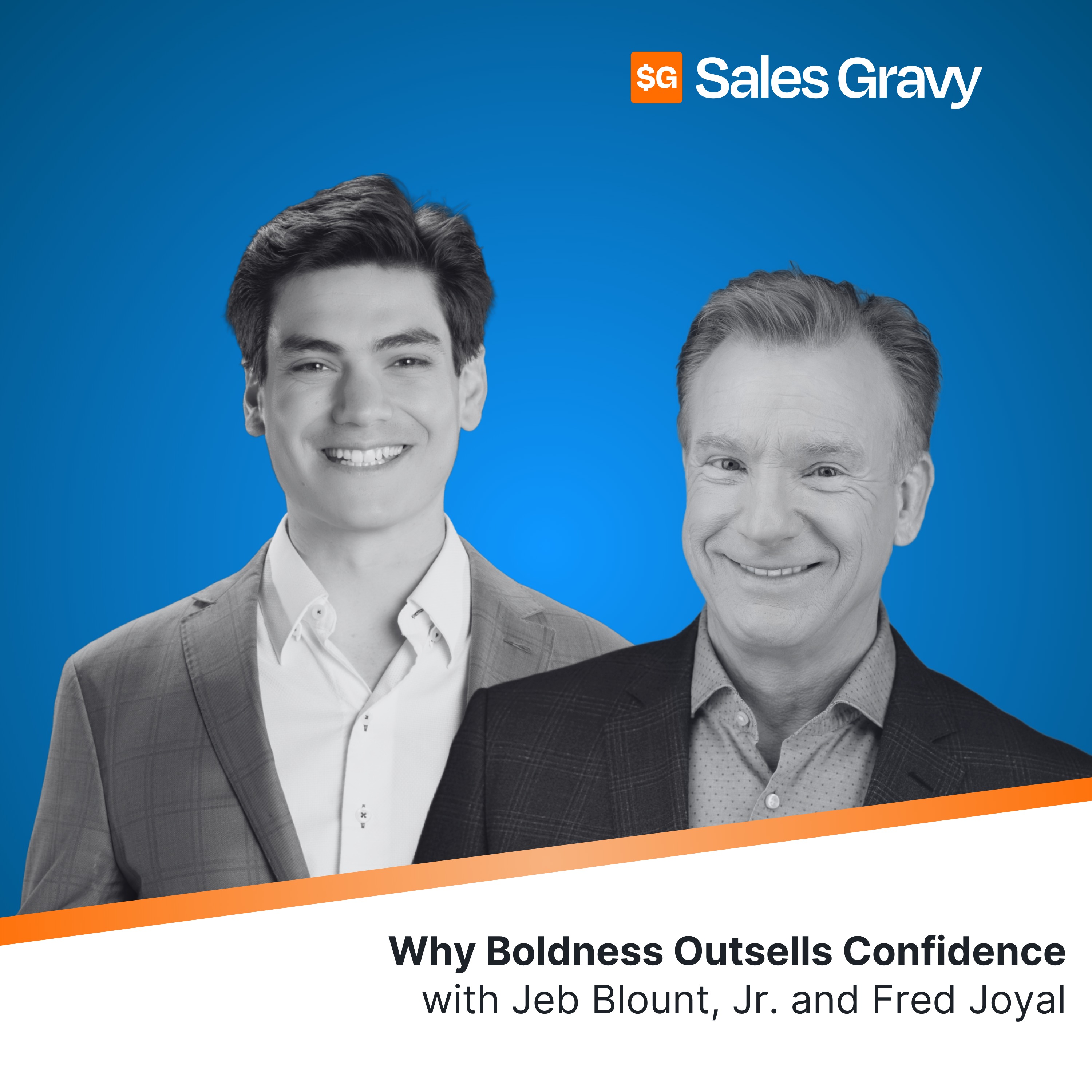
When Fred Joyal risked his $25,000 winnings on 'Are You Smarter Than a 5th Grader?', he lost the money but gained an estimated $1 million in free publicity for his company. This illustrates a key principle of boldness: taking a public risk can open doors to unforeseen opportunities that dwarf the initial objective.
Related Insights
Investors understand that while they can only lose their initial investment (1x), the potential upside can be 100x or 1000x. This breaks the linear "input equals output" thinking of traditional jobs and can be applied to opportunities in life and career.

When evaluating risk, don't just game out the downsides. Consider the 'inverse risk'—the magical, unforeseen opportunities and life-changing outcomes you miss by not pursuing your passion. This reframes risk as the high cost of inaction.

Quoting Jeff Bezos, the speaker highlights that business outcomes have a 'long-tailed distribution.' While you will strike out often, a single successful venture can generate asymmetric returns that are orders of magnitude larger than the failures, making boldness a rational strategy.

Gary Vaynerchuk pinpoints a specific childhood memory of impulsively buying a costly table at a card show and quickly turning a profit. This single event, which went against his peers' logic, cemented his self-belief and entrepreneurial drive for life.
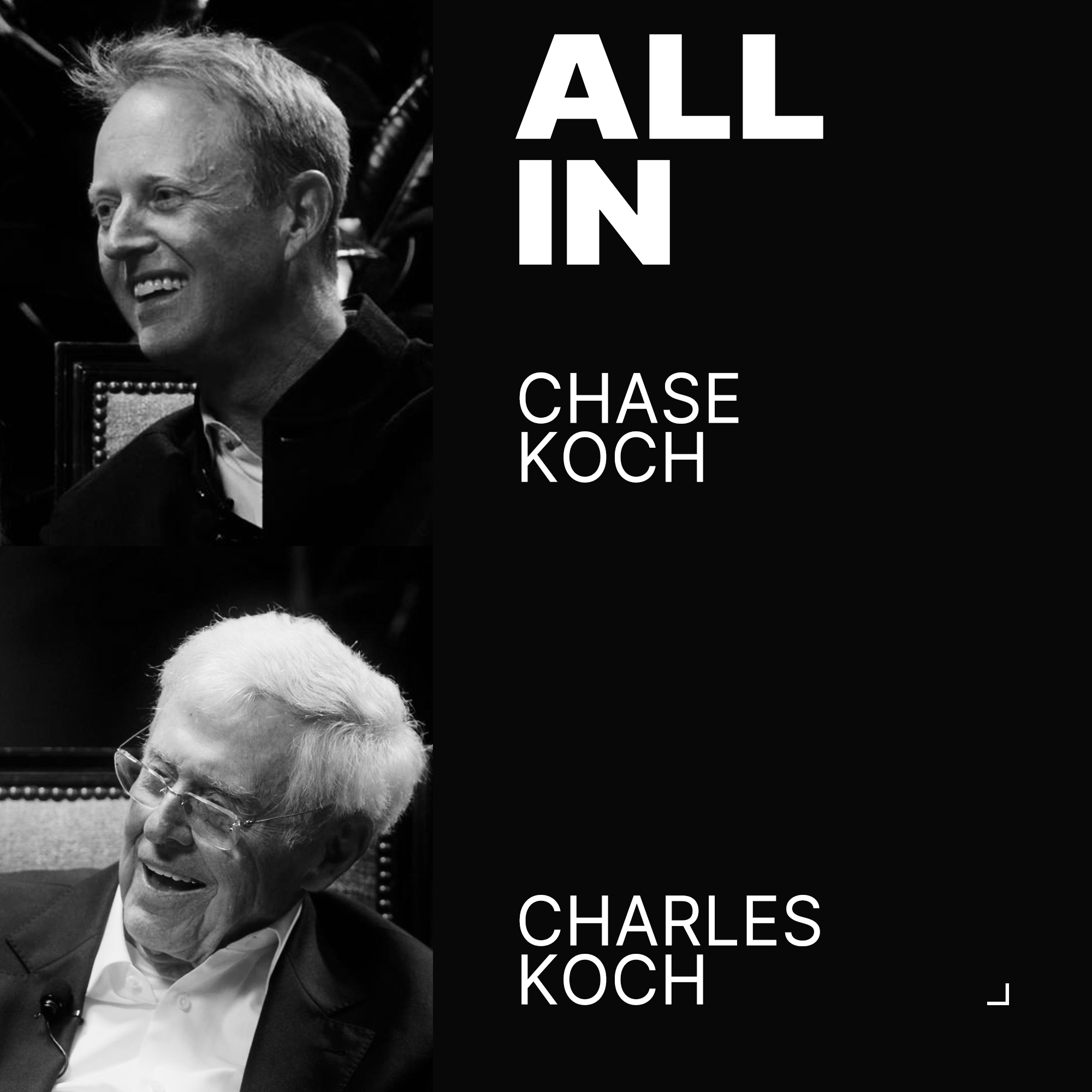
Koch Industries encourages risk-taking by defining a "good experiment" not by its success, but by its learning outcome. A failure is considered valuable and is rewarded if what the company learns from it is worth more than the cost of the experiment itself, fostering a culture of true innovation.
Companies often over-invest in safe, committee-approved ideas that yield minimal results. The real financial danger lies in the missed opportunity of bolder, seemingly riskier campaigns that are more likely to capture consumer attention and drive growth.

Contrary to keeping targets private to avoid failure, entrepreneur Mark Laurie advocates for announcing huge goals publicly. This act forces the team to reverse-engineer a plan, aligns stakeholders on the ultimate prize, and increases the probability of achievement—making the risk of public failure worth it.
Setting exceptionally high goals is critical for outlier success. Even falling short of a massive ambition will produce a better outcome than succeeding at a modest one. The process of striving for greatness generates significant value, regardless of the final result.

Unlike baseball where the best outcome is four runs, business has a long-tail distribution of returns. A single successful venture can return 1000x, paying for all failed experiments. This asymmetric risk profile means it's rational to be bolder and take more calculated risks.
The most successful people, from Nobel laureates to elite athletes, fail more often than their peers. Their success is a direct result of their willingness to take smart risks and push boundaries, knowing failure is a possible outcome. They adopt a mindset of playing to win rather than the more defensive posture of playing not to lose.
