Get your free personalized podcast brief
We scan new podcasts and send you the top 5 insights daily.
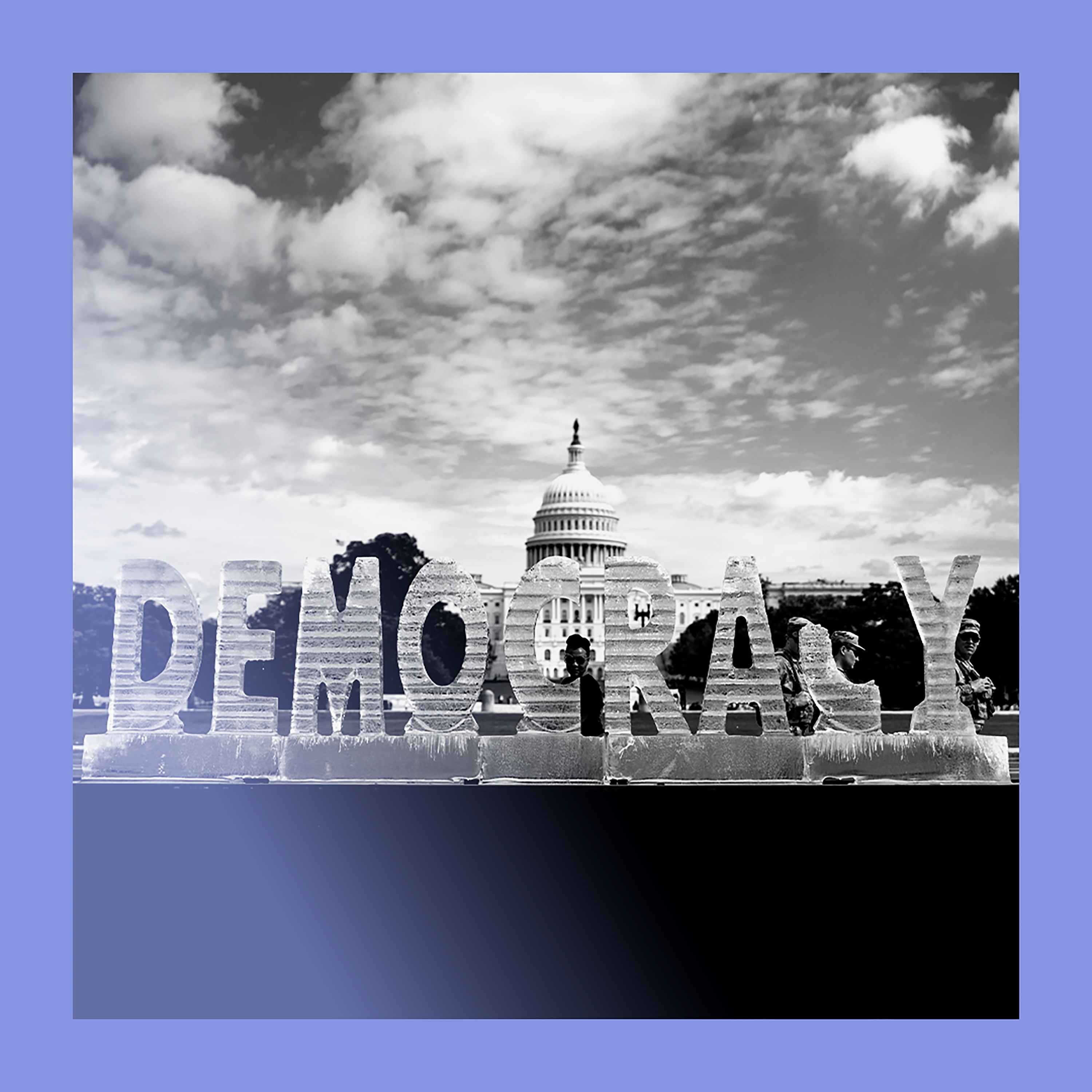
Large-scale peaceful demonstrations about cultural friction represent a "last peaceful exit" for a society. History shows that ignoring the root causes of these "values collisions" doesn't resolve them; it simply ensures the underlying tensions will eventually erupt in a more violent form.

Related Insights
While media narratives suggest the UK is on the brink of explosion over immigration, the reality is that peaceful protests are a constructive release of pressure. If the government responds to these concerns, it could lead to positive change; ignoring them, however, risks a genuine crisis.

Protests, like those in Minneapolis, are effective when they generate enough moral outrage to force action from leaders. They have a time limit; their purpose is not sustained demonstration but to create a crisis that people in power must resolve through policy, as seen with LBJ and the Civil Rights Act after Selma.
The primary problem with large-scale, unassimilated immigration isn't economic but cultural. It creates a "values collision" where two groups with different fundamental worldviews are forced together, generating social friction and conflict that policy-makers often ignore at their peril.
Citing Gandhi and the Civil Rights Movement, the most successful long-term protest strategies rely on peaceful non-resistance. Active resistance, even when justified, often escalates violence and cedes the moral high ground, making it a less effective tool for systemic change compared to disciplined, peaceful protest.

When people can no longer argue, disagreements don't vanish but fester until violence becomes the only outlet. Protecting even offensive speech is a pragmatic necessity, as open debate is the only mechanism that allows societal pressures to be released peacefully.

History demonstrates that forcing groups with conflicting core values to coexist without assimilation predictably leads to violent conflict. Society's refusal to acknowledge this pattern of competing 'in-groups' and 'out-groups' is ahistorical and ignores the fundamental nature of cultural friction.

Figures like Donald Trump don't create populist movements; they rise by capitalizing on pre-existing societal problems like economic despair. Focusing on removing the leader ignores the root causes that allowed them to gain power, ensuring another similar figure will eventually emerge.

The root of rising civil unrest and anti-immigrant sentiment is often economic insecurity, not just a clash of cultures. People convert financial anxiety into anger, which is then easily directed at visible, culturally different groups, creating flashpoints that can escalate into violence.
The current wave of global conflict and deglobalization is a direct consequence of a multi-decade populist trend. As younger generations demand fairer economic outcomes ('median outcomes'), governments are forced into protectionist policies, which inevitably create international friction and competition for resources.

History demonstrates a direct, causal link between widening inequality and violent societal collapse. When a large portion of the population finds the system unbearable, it leads to events like the French Revolution—a blunt cause-and-effect relationship often sanitized in modern discourse.
