Get your free personalized podcast brief
We scan new podcasts and send you the top 5 insights daily.
OpenAI’s complex conversion from a nonprofit to a for-profit benefit corporation, modeled after Mozilla's legal structure, was a strategic necessity. This allows it to operate like a for-profit entity, unlocking massive investments from partners like SoftBank, while navigating the complex tax and governance rules governing its nonprofit origins.
Related Insights
OpenAI is proactively distributing funds for AI literacy and economic opportunity to build goodwill. This isn't just philanthropy; it's a calculated public relations effort to gain regulatory approval from states like California and Delaware for its crucial transition to a for-profit entity, countering the narrative of job disruption.
OpenAI's strategy involves getting partners like Oracle and Microsoft to bear the immense balance sheet risk of building data centers and securing chips. OpenAI provides the demand catalyst but avoids the fixed asset downside, positioning itself to capture the majority of the upside while its partners become commodity compute providers.

As early as 2018, OpenAI's stated mission was building AGI that "benefits all of humanity," justifying its non-profit structure. Even after becoming a commercial powerhouse via its capped-profit model, this core ethos has been a consistent public-facing guidepost for the company.
Despite public drama, OpenAI's restructuring settled based on each party's leverage. Microsoft got a 10x return, the foundation was massively capitalized, and employees gained liquidity. This pragmatic outcome, which clears the path for an IPO, proves that calculated deal-making ultimately prevails over controversy.

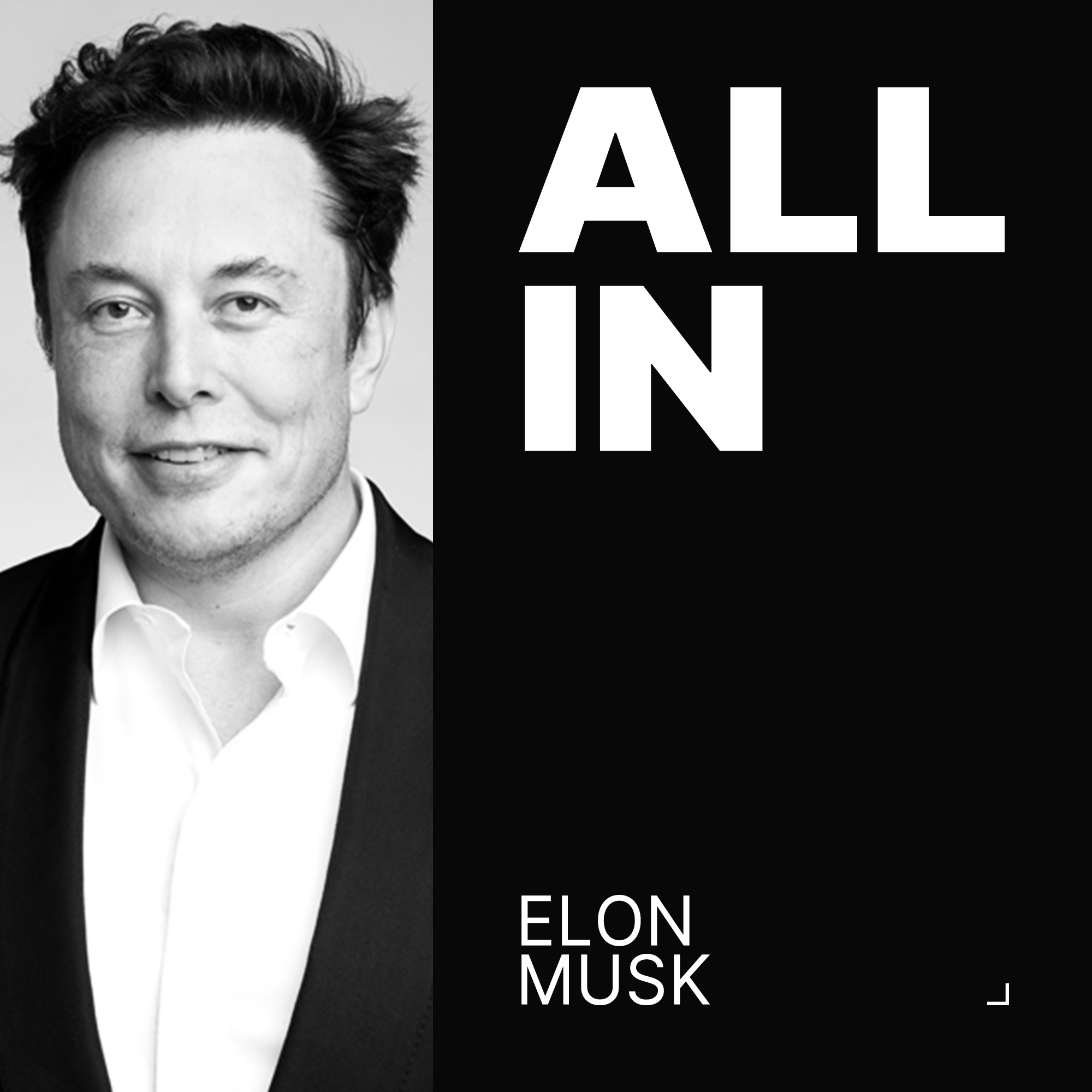
Elon Musk founded OpenAI as a nonprofit to be the philosophical opposite of Google, which he believed had a monopoly on AI and a CEO who wasn't taking AI safety seriously. The goal was to create an open-source counterweight, not a for-profit entity.
The most difficult part of Microsoft's initial OpenAI investment wasn't the capital, but navigating the complex non-profit/for-profit structure that caused traditional VCs to pass on the deal. This highlights how innovative deal-structuring can be a competitive advantage.

OpenAI is lobbying the federal government to co-invest in its Stargate initiative, offering dedicated compute for public research. This positions OpenAI not just as a private company but as a key partner for national security and scientific advancement, following the big tech playbook of seeking large, foundational government contracts.

OpenAI's path to profitability isn't just selling subscriptions. The strategy is to create a "team of helpers" within ChatGPT to replace expensive human services. The bet is that users will pay significantly for an AI that can act as their personal shopper, travel agent, and financial advisor, unlocking massive new markets.

OpenAI's non-profit parent retains a 26% stake (worth $130B) in its for-profit arm. This novel structure allows the organization to leverage commercial success to generate massive, long-term funding for its original, non-commercial mission, creating a powerful, self-sustaining philanthropic engine.

The massive OpenAI-Oracle compute deal illustrates a novel form of financial engineering. The deal inflates Oracle's stock, enriching its chairman, who can then reinvest in OpenAI's next funding round. This creates a self-reinforcing loop that essentially manufactures capital to fund the immense infrastructure required for AGI development.