Get your free personalized podcast brief
We scan new podcasts and send you the top 5 insights daily.
The popularity of AI content like the "Star Wars meets Pawn Stars" mashup depends on the unauthorized use of established intellectual property. This reliance on a "piracy world" dynamic suggests the near-term business case for AI video is stronger for B2B tools than standalone consumer entertainment.

Related Insights
The novelty of AI-generated launch videos provides a temporary 'alpha' for startups to capture attention. However, this advantage is fleeting. As the aesthetic becomes common, its ability to act as a compelling hook will dissipate, similar to how early Studio Ghibli-style AI images went from viral to ignored once commoditized.

Current copyright law, which focuses on outputs, is ill-equipped to handle AI models trained on vast datasets generating new content. Future solutions may involve collective IP licensing pools or revenue-sharing systems similar to the music industry.

Higgsfield's controversial use of copyrighted characters and celebrity deepfakes points to a huge market demand for unrestricted AI models, similar to the demand for free music during the Napster era. While illegal, this user behavior signals a massive, untapped business opportunity for companies that can eventually license the content and provide a legitimate service to meet this demand.
While AI could lower production costs for studios like Paramount, its greater impact may be empowering millions of creators on platforms like YouTube. This could create a competitive "sea of content" that erodes the value of the very IP being acquired, presenting a major threat that legacy media isn't discussing.
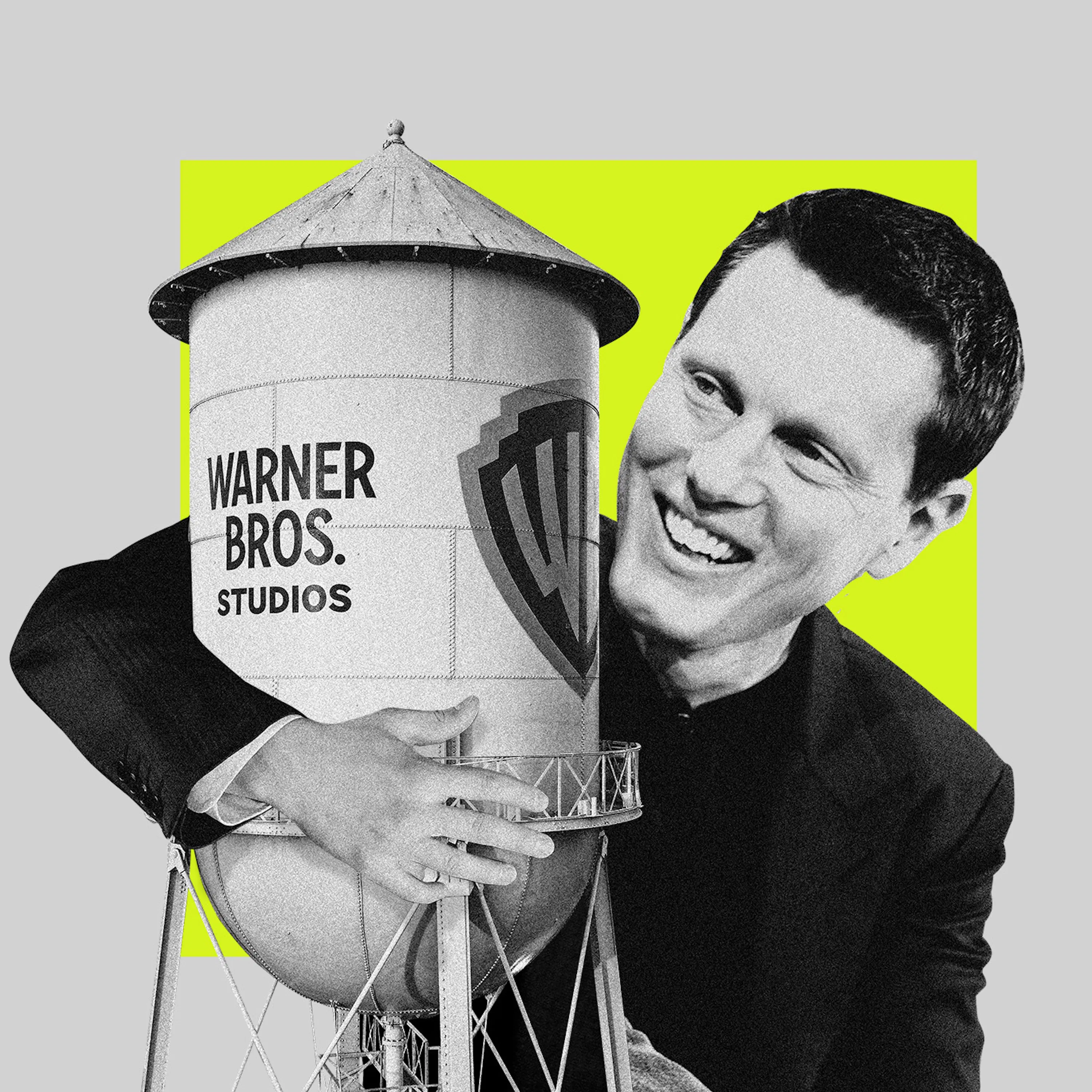
While Generative AI will dramatically lower content creation costs, it will also lead to a massive explosion of new content. This dynamic decreases the value of existing IP libraries but massively benefits distribution platforms like Netflix and YouTube, which aggregate eyeballs and win in a world of content abundance.

Rather than fighting the inevitable rise of AI-generated fan content, Disney is proactively licensing its IP to OpenAI. This move establishes a legitimate, monetizable framework for generative media, much like how Apple's iTunes structured the digital music market after Napster.

While US AI companies navigate complex licensing deals with IP holders, Chinese firms like ByteDance appear to be using copyrighted material, such as specific actors' voices, without restriction. This lack of legal friction allows them to generate highly specific and realistic content that Western labs are hesitant to produce.
The high quality of ByteDance's C-Dance video model suggests it may be trained on copyrighted material, like David Attenborough's voice, which US labs are legally restricted from using. This freedom from IP constraints could give Chinese firms a significant competitive advantage in media generation.

While an AI model itself may not be an infringement, its output could be. If you use AI-generated content for your business, you could face lawsuits from creators whose copyrighted material was used for training. The legal argument is that your output is a "derivative work" of their original, protected content.

OpenAI's new video tool reveals a strategic trade-off: it is extremely restrictive on content moderation (blocking prompts about appearance) while being permissive with copyrighted material (e.g., Nintendo characters). This suggests a strategy of prioritizing brand safety over potential future copyright battles.
