Get your free personalized podcast brief
We scan new podcasts and send you the top 5 insights daily.
Takeoff Luggage was founded on a single insight: budget airline carry-on fees are often more expensive than the flight itself. By creating a suitcase with removable wheels that fits the free "personal item" sizer, the company built a product that directly solves a painful and universal customer problem.

Related Insights
The idea for Birdies didn't come from market research. It came from Bianca Gates observing a recurring awkwardness in her own community meetings: guests were uncomfortable taking off their shoes. The product was a direct solution for a real-world problem she experienced personally.

Large companies often focus R&D on high-ticket items, neglecting smaller accessory categories. This creates a market gap for focused startups to innovate and solve specific problems that bigger players overlook, allowing them to build a defensible niche.
After failing as a city-wide transit solution, the moving walkway found its perfect product-market fit in airports, solving the specific pain point of long treks through ever-expanding terminals created by the jet age.

Metrics can be misleading. The founder's true "aha" moment for product-market fit came from solving a complex, real-world problem posed by a skeptical expert during a live demo. When the product solved in seconds what took the customer's team two weeks, it provided undeniable proof of value in a high-stakes environment.

Bootstrappers lack the capital and time to establish a new market category. A better strategy is to anchor your product in a known category (e.g., "site audit tool") and then use your unique features (e.g., "that also fixes the issues") as a key differentiator.

When a startup finally uncovers true customer demand, their existing product, built on assumptions, is often the wrong shape. The most common pattern is for these startups to burn down their initial codebase and rebuild from scratch to perfectly fit the newly discovered demand.

Unbound Merino used its Indiegogo campaign as a definitive test for market demand, not just a funding tool. This framed the effort as a win-win: either a successful business would be born, or the founder would get a box of the custom t-shirts he personally wanted.
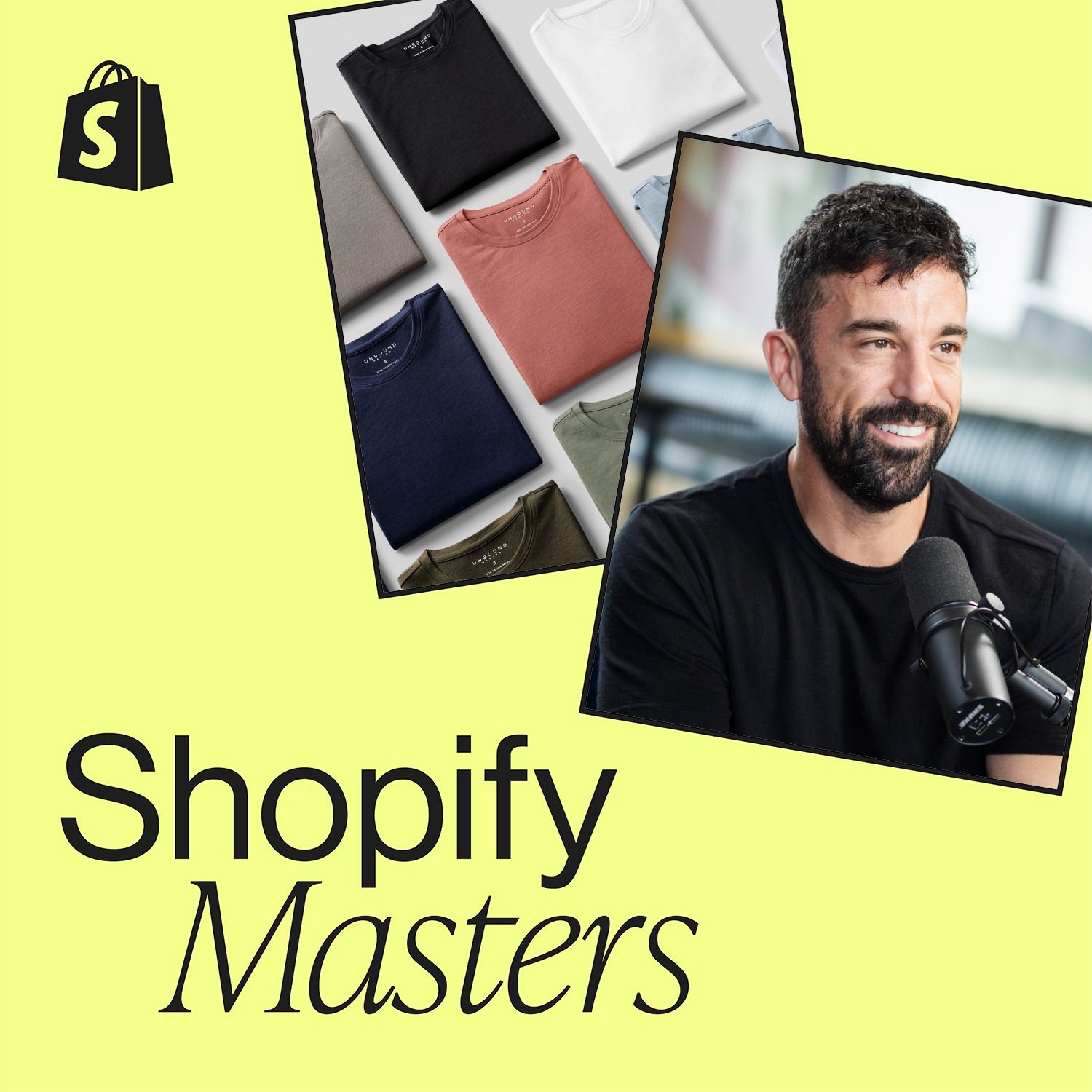
The idea for Unbound Merino came from the founder's own frustrating search for stylish, high-performance travel clothing. When he couldn't find what he wanted, he created it, correctly betting that many others shared his specific problem.
Instead of searching for a market to serve, founders should solve a problem they personally experience. This "bottom-up" approach guarantees product-market fit for at least one person—the founder—providing a solid foundation to build upon and avoiding the common failure of abstract, top-down market analysis.

Thousand's founder found a market gap by identifying a core flaw in the legacy helmet industry: competitors designed products to fit retail buyers' checklists for price and features. This created a disconnect with end-users, opening a path for a brand focused on solving the real functional and emotional pain points of the actual rider.