Get your free personalized podcast brief
We scan new podcasts and send you the top 5 insights daily.
A significant source of alternative revenue for farmland owners is converting land for solar energy production. A 30-year, inflation-hedged lease for a solar farm can generate annual gross income of 15-20% on the original cost basis, which is three to five times higher than traditional farm income.

Related Insights
Landowners who have spent years navigating the grid interconnection process for projects like solar or wind are now pivoting. As they near approval, they repurpose their valuable grid connection rights for data centers, which can generate significantly higher financial returns than the originally planned energy projects.

Two powerful trends are converging: solar panel costs have plummeted, making them cheaper than IKEA furniture for construction, while AI, data centers, and EVs create unprecedented energy demand. This creates a massive opportunity for large-scale solar projects in energy-strained regions like the Philippines.

The primary obstacle to US solar deployment isn't technology, but permitting. Allowing 'by-right' development—treating solar projects like cattle ranching on Bureau of Land Management (BLM) land—would dramatically accelerate deployment by removing tiresome and expensive regulatory hurdles.
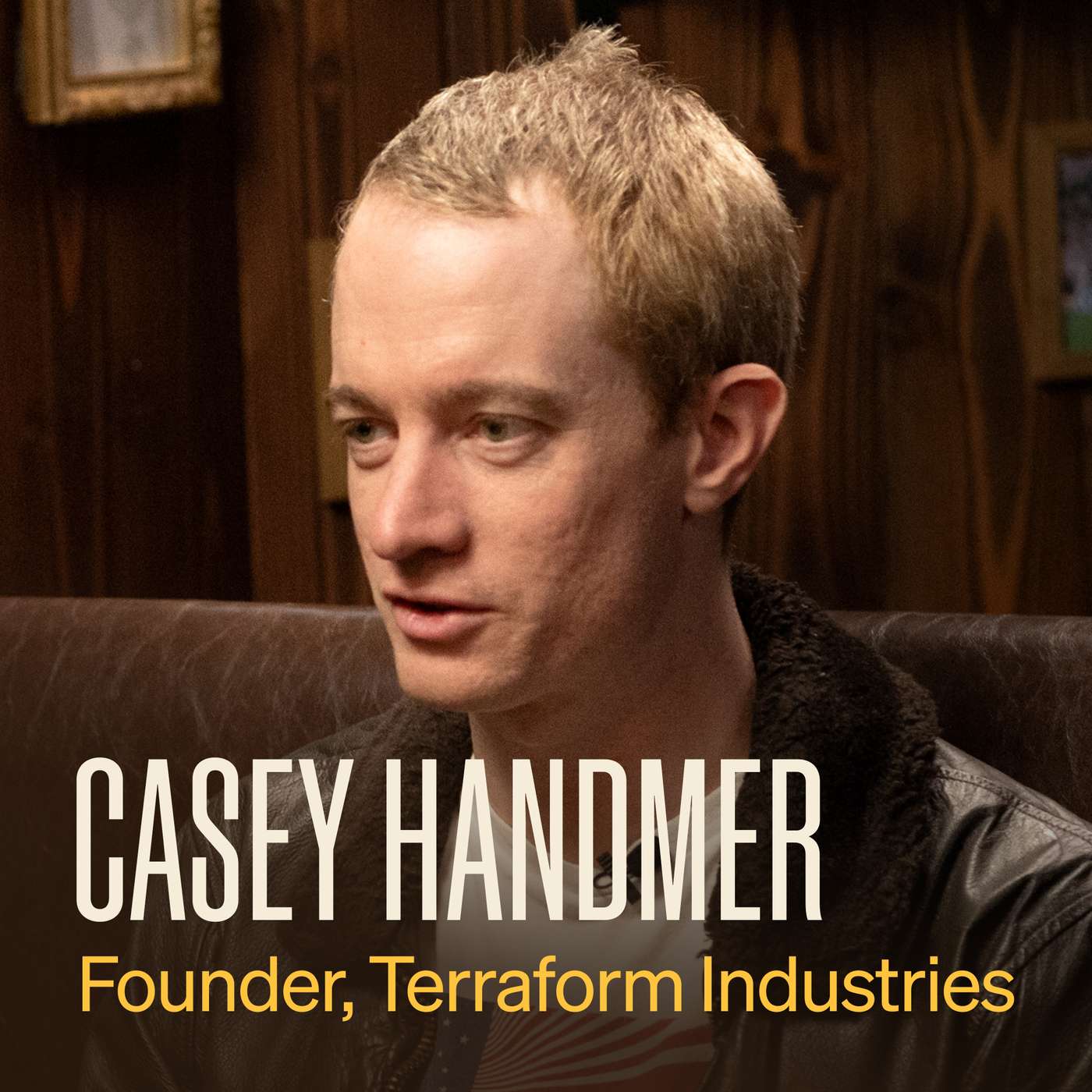
Unlike traditional real estate, most valuable farmland isn't publicly listed. Investment firms build relationships with the farmers who rent their land, using this network to identify off-market acquisition opportunities from estates, trusts, and non-farming heirs who are likely to sell.
Since one cannot own sun or wind, Altius created novel intellectual property to structure royalty-like contractual interests in renewable projects. They provide early-stage capital to developers in exchange for a long-term revenue share from future power generation, effectively creating a new asset class.
![Altius Minerals: Royalty Check - [Business Breakdowns, EP.243] thumbnail](https://megaphone.imgix.net/podcasts/5cb3e638-3f99-11f1-84d2-8361abcf0f70/image/bcdf73c47dcba2bd0f96606768d92e3d.jpg?ixlib=rails-4.3.1&max-w=3000&max-h=3000&fit=crop&auto=format,compress)
The value of prime US farmland has decoupled from its agricultural cash-flow potential. It now trades like gold, with investors accepting low cap rates (around 2%) in anticipation of high appreciation (6%+). This makes outright ownership nearly impossible for farmers, as the investment can't be justified by operational returns.
The popular narrative of ever-cheaper solar is misleading. While the panel itself is deflationary, it's a shrinking part of the total project cost. Inflationary inputs like land, labor, transmission access, and capital costs are now dominant, causing the price of delivered solar electricity (PPAs) to rise since 2020.
![John Arnold - China, Energy Markets and Fixing America's Systems - [Invest Like the Best, EP.461] thumbnail](https://megaphone.imgix.net/podcasts/8d466670-1755-11f1-baf2-dfb3d97a3978/image/4ec9ac82b5c7a937e9e90aa69d037805.jpg?ixlib=rails-4.3.1&max-w=3000&max-h=3000&fit=crop&auto=format,compress)
Contrary to political narratives, US red states have been leaders in renewable energy deployment. The motivation is not climate ideology but practical, local benefits: landowner income, energy independence, and reducing local air pollution. This suggests a powerful, non-partisan path for the energy transition.

The boom in AI and data processing has created immense demand for data centers in the U.S. Midwest. Farmland with access to power, water, and fiber optics can be sold for 8 to 20 times its agricultural value, creating a significant "optionality" for investors beyond crop yields.
The economic model for renewable energy is the inverse of fossil fuels. While building wind or solar farms requires significant initial capital investment, their ongoing operational costs are minimal. This suggests that as Europe advances its green transition, its long-term energy cost competitiveness will dramatically improve.