Get your free personalized podcast brief
We scan new podcasts and send you the top 5 insights daily.
Digitally-native baby registry Babylist is opening physical stores not just for in-person sales, but as influencer-ready content studios. By building stores with stages and podcast studios, they create a marketing engine that generates social media content to reach a national online audience, justifying the high cost of a physical footprint.

Related Insights
The company strategically pairs its high-visibility balloon installation service with a scalable DIY e-commerce product. The visually impressive installations generate a constant stream of social media content that directly markets and drives sales for the online kits, creating a powerful growth loop.
Best Buy is leveraging its massive physical retail footprint as a unique advertising channel. This "in-store takeover" capability allows brands to create immersive experiences using window displays, digital walls, and interactive screens, reaching customers at the crucial point of purchase.

Best Buy Ads offers "in-store takeovers," allowing brands to use its physical stores for immersive, measurable campaigns. This transforms window displays, digital walls, and checkout counters into a powerful advertising medium that engages customers at the point of purchase.
Despite a profitable affiliate model, Babylist was heavily reliant on a few large retailers. They chose to enter the complex, lower-margin world of direct e-commerce and warehousing primarily to mitigate platform risk and control their own destiny, not for short-term profit.

Directing customers from a chaotic social feed to a curated, brand-owned storefront eliminates friction and encourages exploration. This focused environment leads customers to browse and purchase more, dramatically increasing conversion and average order value (AOV).

For initial outreach, founder Natalie Gordon created unique, fully-functional baby registries for each blogger she pitched, populating them with products tailored to their niche. This 'show, don't tell' approach demonstrated the product's value and secured a 50% response rate.
A great retail experience goes beyond transactions. Successful brands like Lululemon create "retail theater" by hosting local events like yoga classes in their stores. This builds community and brand loyalty, generating higher long-term ROI than focusing purely on daily sales per square foot.

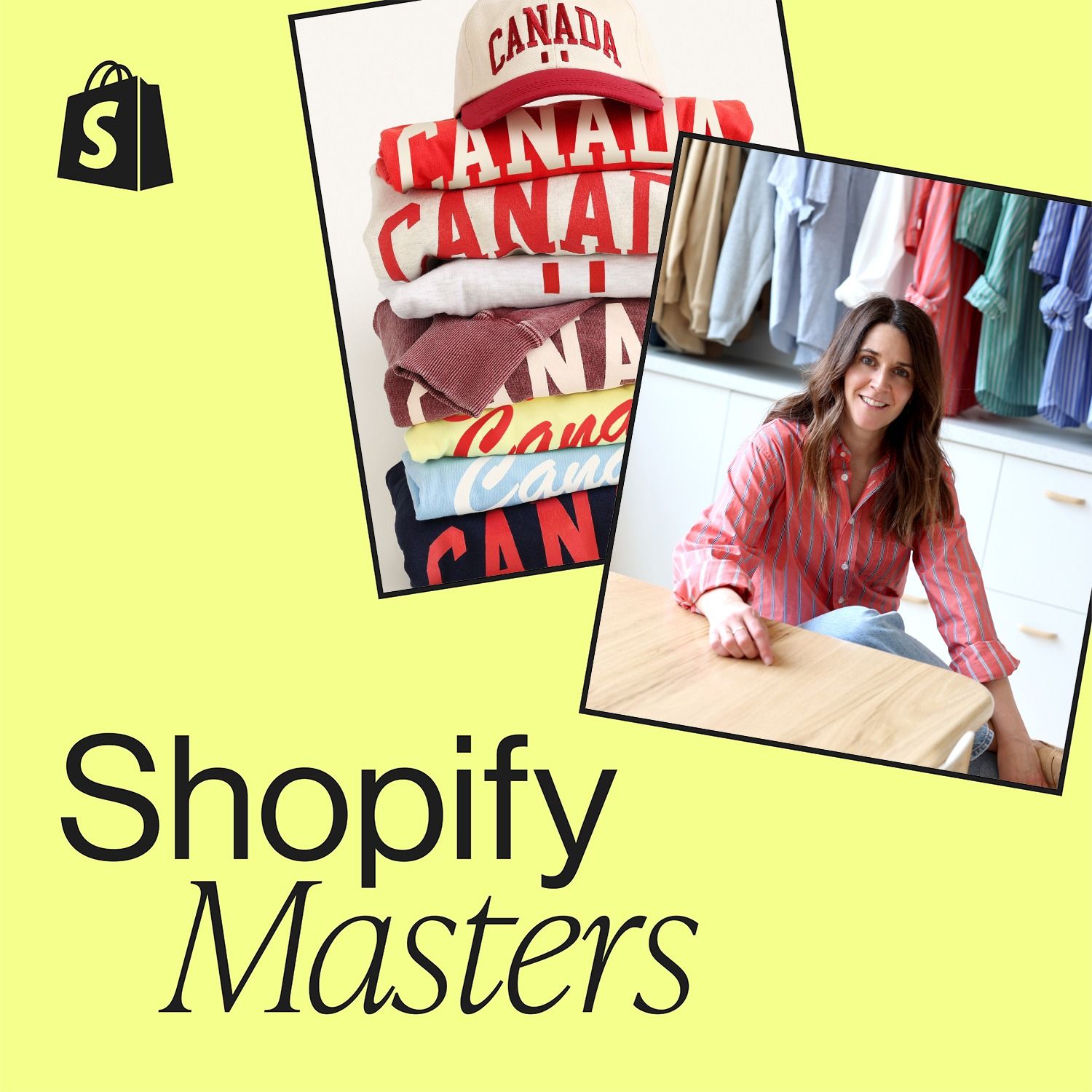
Province of Canada found their retail store didn't just add a new sales channel. It significantly boosted online orders in a radius around the location and solidified their status as a 'local business,' which was critical for surviving the pandemic through community support and curbside pickup.
Coterie treats its physical retail presence not just as a sales channel, but as a marketing tool. A well-placed product block acts like a billboard, driving discovery and funneling 10-12% of new customers back to their primary D2C subscription business.
To unify their brand across channels, the store hosts a weekly live stream discussing new products. This single event allows them to interact directly and simultaneously with both their in-store regulars and online-only customers, creating a shared experience and a cohesive community that transcends physical location.