Get your free personalized podcast brief
We scan new podcasts and send you the top 5 insights daily.
To avoid alienating customers in a politically charged environment, Rivian's CEO aims to "depoliticize electric vehicles." The strategy involves focusing on universal values like "enabling active lifestyles," consciously modeling Nike's success in selling to a broad customer base that transcends political divides.

Related Insights
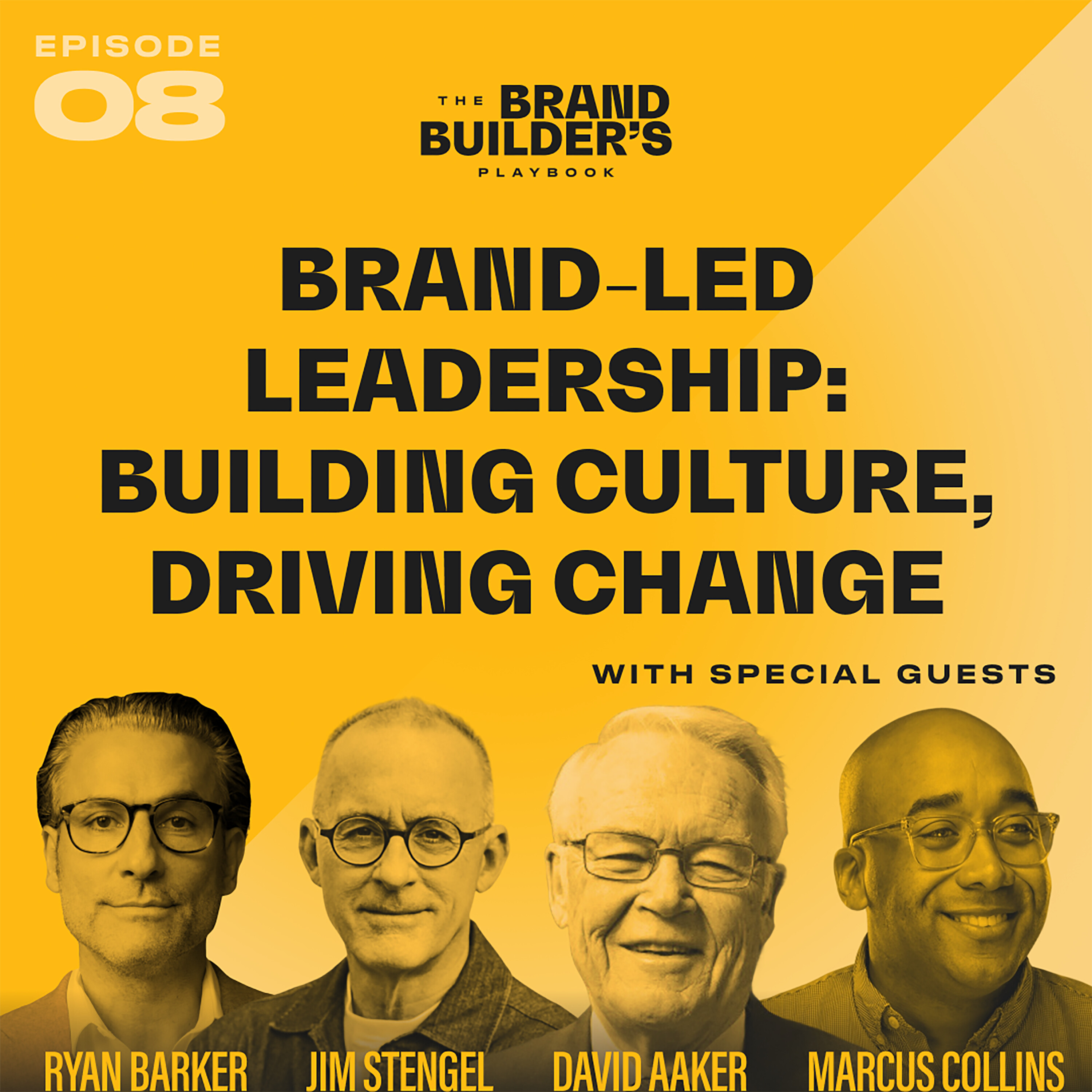
Marcus Collins explains that brands limited to their product (e.g., toothpaste) have little to talk about. However, a brand with a broader ideology (like Nike's belief that "Every human body is an athlete") gains entry and authority to engage in wider cultural discourse, creating significant energy and relevance.
While Rivian launched an e-bike, the more strategic innovation is its helmet with integrated lights. This focus on practical commuter safety is an inexpensive way to reinforce Rivian's core brand identity of thoughtful engineering, extending the brand's values into a new product category without a massive investment.

While the loss of the tax credit will hurt sales short-term, it also removes the "government mandate" attack line used by politicians. This forces EVs to be judged as just another car, allowing them to compete on their own merits like lower operating costs and better performance.

Rivian deliberately used its expensive R1 models as "flagship" products to establish a premium brand identity and a "handshake with the world." This prestige is now leveraged to launch the more affordable, mass-market R2, which inherits the established brand elements.
Instead of aligning with pro-police or pro-accountability factions, Axon focused on a universally accepted goal: reducing deaths involving police. This unifying message allowed the company to secure growth across different political administrations, providing a playbook for navigating and thriving in politically charged markets.
Hamdi Ulukaya navigates political divisiveness by collaborating with figures like Ivanka Trump on non-partisan, "timeless truths" such as food waste. This approach seeks common ground on shared human challenges, sidestepping partisan conflict while staying true to company values.
True corporate values are steadfast principles that guide a company regardless of the political or social climate. Values that are easily discarded when they become controversial are not core values but rather branding exercises. This inauthenticity risks significant consumer backlash when exposed.
By hosting an 'Autonomy and AI Day,' Rivian is strategically shifting its narrative from being solely an electric vehicle manufacturer to an AI and technology firm. This rebranding aims to attract a different class of investors and achieve a higher valuation multiple, especially as EV sales growth decelerates.
Instead of competing with Nike on performance, Outdoor Voices intentionally created an aesthetic that was the complete opposite: simple, muted, and focused on recreation. The goal was a four-piece "uniform for doing things" that contrasted with Nike's shiny, black-and-neon intensity.
Anticipating that independence from China will be a long-term, bipartisan US policy goal, Rivian intentionally designed its new R2 supply chain to be U.S.-centric. This strategic planning aims to align the business with persistent geopolitical trends, rather than just reacting to current tariffs.