Get your free personalized podcast brief
We scan new podcasts and send you the top 5 insights daily.
Following the departure of its top open-source researcher, Alibaba reorganized its AI team. It shifted focus from cheap, open-source models to proprietary ones designed for commercialization, and is now forecasting over $4.4 billion in annualized revenue from these new services. This shows how a key personnel change can trigger a major strategic pivot.

Related Insights
While Canva had been researching AI for years, a specific internal technical breakthrough became the catalyst for the company to "go all in." This single event prompted a rapid re-organization, pulling hundreds of people onto a centralized AI team to commercialize the new capability.

Alibaba's release of three proprietary models in three days, with its CEO taking direct control to maximize revenue, marks a decisive shift away from open source. This reflects a broader trend among Chinese tech giants to prioritize direct monetization and commercialization over community-based model development.

Companies like Z.ai are not abandoning open source but using it strategically. They release lightweight models to attract developers and build a user base, while reserving their most powerful, agentic systems for proprietary, revenue-generating enterprise products, creating a clear monetization funnel.
AI companies are showing that rapid, fundamental business pivots are no longer just for pre-product-market-fit startups. In the fast-moving AI landscape, the ability to constantly evolve core product strategy is a prerequisite for staying relevant and successful, even for established players.
Meta's new model, Muse Spark, is closed-source, a shift from its Llama strategy. This was predicted years ago, arguing that billion-dollar training costs would force Meta to abandon open-source to justify the massive CapEx to shareholders, moving focus from developer marketing to direct profit.

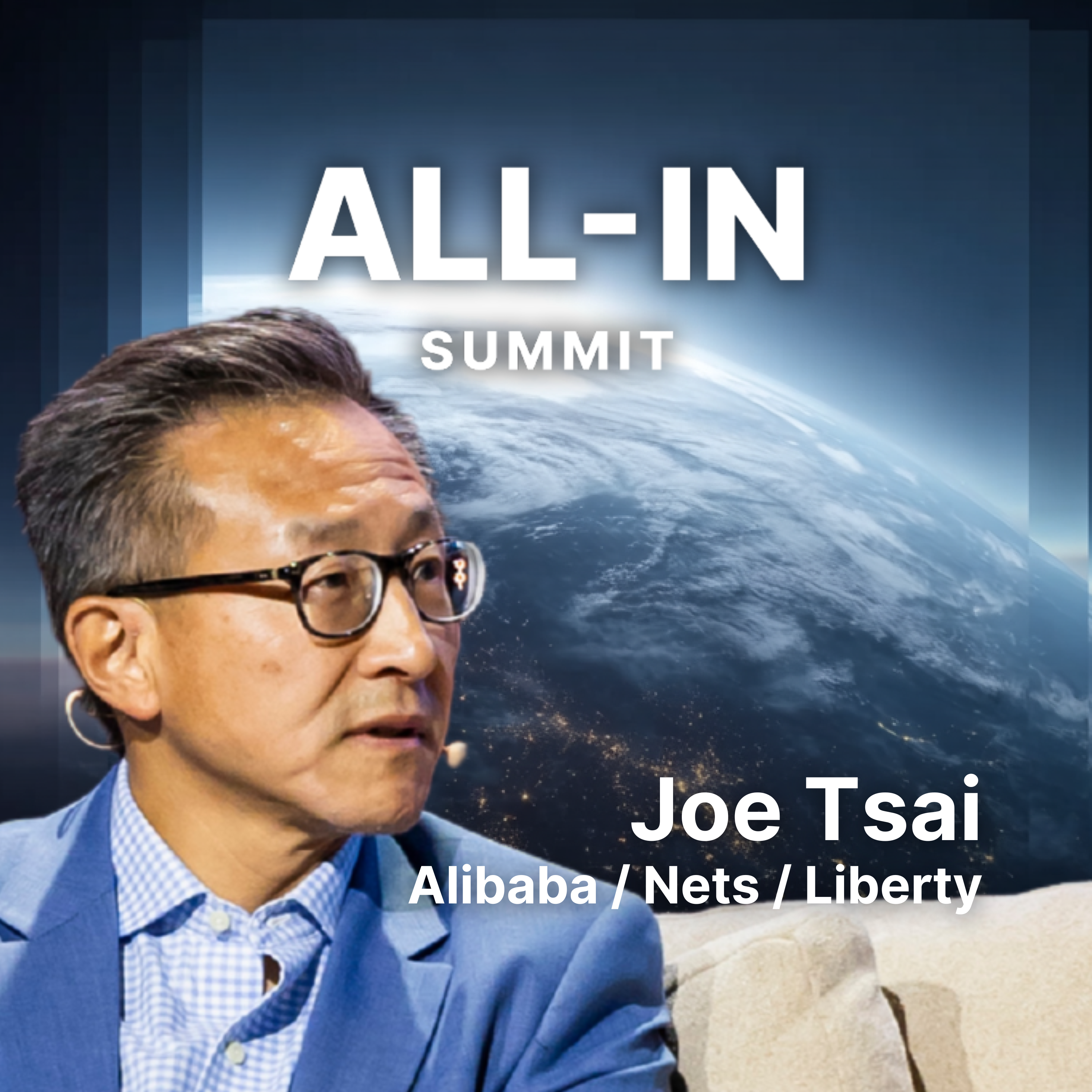
While acknowledging AI's efficiency gains, Joe Tsai emphasizes its most significant impact at Alibaba comes from revenue growth. By infusing AI into consumer-facing products like e-commerce and maps, the company creates a 'massively better experience.' This directly translates to a larger user base and top-line growth, a more valuable outcome than just workforce reduction.
Contrary to past momentum, the most advanced AI startups are increasingly adopting and fine-tuning open-source models. This shift is driven by the need for cost-effective speed and deep customization as their workloads mature and scale.
When primary funder Elon Musk left OpenAI in 2018 over strategic disagreements, it plunged the nonprofit into a financial crisis. This pressure-cooker moment forced the organization to abandon disparate research projects and bet everything on scaling expensive Transformer models, a move that necessitated its shift to a for-profit structure.

To escape platform risk and high API costs, startups are building their own AI models. The strategy involves taking powerful, state-subsidized open-source models from China and fine-tuning them for specific use cases, creating a competitive alternative to relying on APIs from OpenAI or Anthropic.
The departure of half of xAI's founding team, many of whom are researchers, indicates a pivot away from speculative research projects. The company's focus appears to be on massive engineering feats, like space-based data centers, to win through sheer scale rather than novel AI breakthroughs.
