Get your free personalized podcast brief
We scan new podcasts and send you the top 5 insights daily.
Instead of upgrading her lifestyle after financial success, behavioral economist Kristen Berman bought the apartments surrounding her own. She then rented them below market rate to friends, intentionally engineering a close-knit micro-community. This is a powerful, data-backed strategy for increasing happiness that counters the typical "bigger house" path.

Related Insights
Your sense of financial well-being is not determined by your absolute wealth but by the equation: what you have minus what you want. A person with modest means who desires nothing more can be far happier than a billionaire who constantly strives for a higher net worth.

The justification for a dream home isn't financial appreciation but its ability to generate joy and connection. By serving as a gathering place for family, friends, and peers, the home becomes an investment in relationships and memories, making its emotional and social return the primary metric of success.

Happiness studies reveal that fulfillment comes from the active process of caring for others. The happiest individuals are not those who are the passive recipients of the most affection, but rather those who actively cultivate deep, meaningful relationships where they can give love.

The most effective way to find a community isn't to search for a specific tribe. Instead, seek out situations of transition for yourself or others—like a new job or city. People are most open to new connections during these moments of change, creating fertile ground for authentic community to form.

More money acts as a multiplier for your existing emotional state. For a person who is already happy and content, wealth can enhance their life. However, for someone who is fundamentally unhappy or unfulfilled, more money will not solve their core problems and may even exacerbate their misery.
Community accelerates personal change in three ways: it helps navigate rapid change through real-time peer support, it makes building new habits easier by removing reliance on individual willpower, and it enables results that are impossible to achieve alone. It externalizes the burden of transformation.
People mistakenly chase happiness through spending, but happiness is a temporary emotion, like humor, that lasts only minutes. The more achievable and durable goal is contentment—a lasting state of being satisfied with what you have. Aligning spending to foster long-term contentment, rather than short-term happiness, is key to well-being.

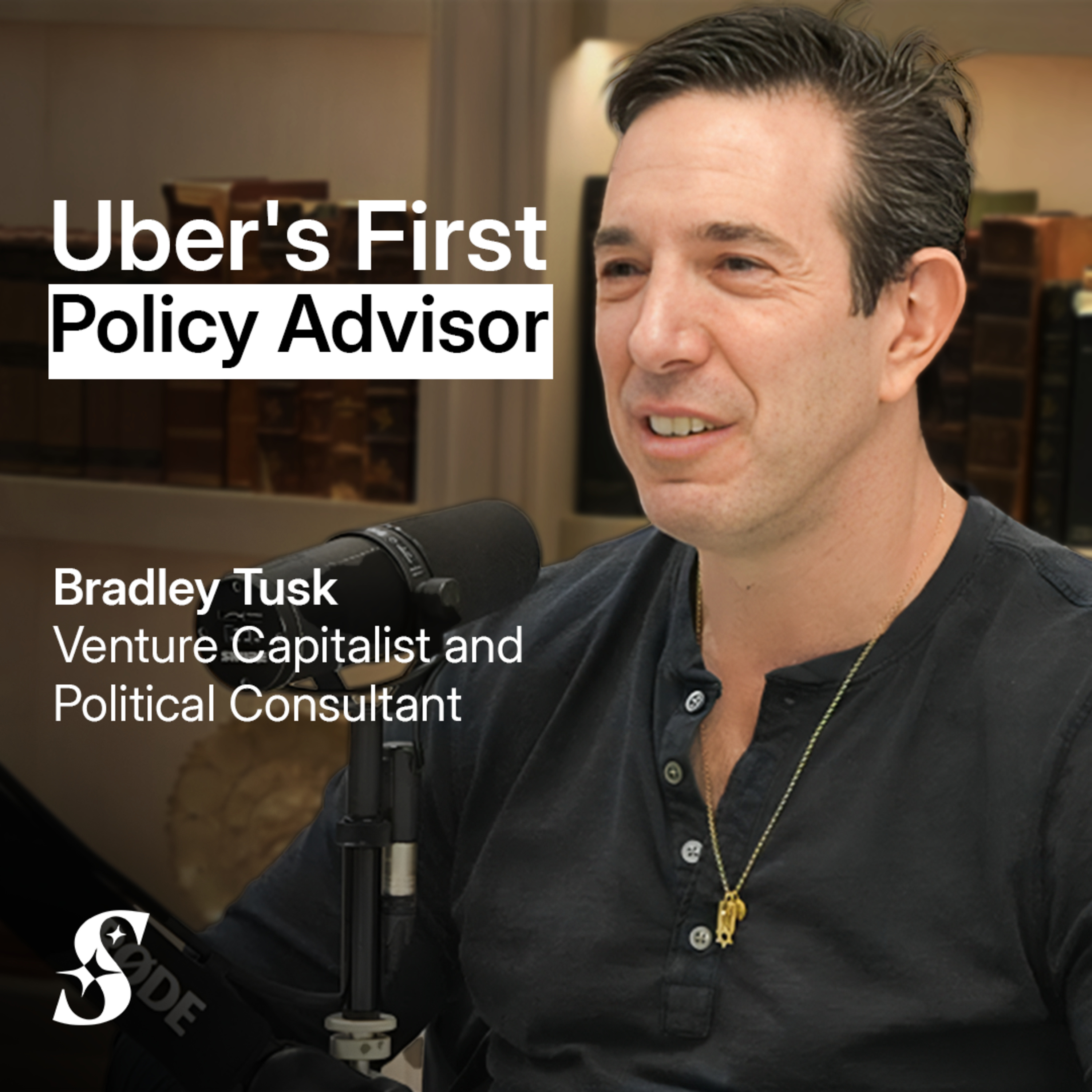
Tusk intentionally loses $1M/year on a bookstore, viewing it as an A/B test against spending the same on private flights. The bookstore provides meaning, purpose, and social affirmation—an 'abundance' return on happiness—that far outweighs the 'zero-sum' convenience and status of luxury travel.
True financial well-being and happiness are not dictated by income level, but by living within your means and maintaining self-awareness. Someone earning a modest salary can be in a much better place than a high-earner who is overleveraged and lacks a sense of self.

One speaker's best investment wasn't in stocks but in moving to a new city, simplifying his life, and being closer to family. This emotional investment yielded significant returns in happiness and well-being, highlighting that not all valuable investments are financial.