Get your free personalized podcast brief
We scan new podcasts and send you the top 5 insights daily.
Shifting the perspective from healthcare as a cost to an investment in productivity reveals its true economic value. Dr. Oz calculates that enabling the average American to work just one year longer adds $3 trillion to the U.S. economy.

Related Insights
In the US, where public health is not a political priority, the catalyst for policy change promoting healthier living will be fiscal. The government cannot afford the current trajectory of healthcare spending, which will eventually force changes in housing, food, and community planning.

General Catalyst's CEO highlights a core flaw in healthcare: insurance providers don't reimburse for longevity or preventative care because customers frequently switch plans, preventing insurers from capturing long-term ROI. The first company to solve this misalignment and make longevity "financeable" will unlock a massive market.

A $2,000 preventative injection like a PCSK9 inhibitor sounds expensive. However, its cost is likely justified when calculated against the massive societal and individual expense of future medical bills, plus the economic value of additional healthy, productive years.

The immense regulatory complexity in U.S. healthcare creates an estimated $500 billion "tax" of administrative bloat. The non-obvious opportunity is that by using AI to eliminate this waste, the savings could be redirected to fund expanded patient care, rather than just being captured as profit.

Beyond tackling fatal diseases to increase lifespan, a new wave of biotech innovation focuses on "health span"—the period of life lived in high quality. This includes developing treatments for conditions often dismissed as aging, such as frailty, vision loss, and hearing decline, aiming to improve wellbeing in later decades.

The conversation frames GLP-1 weight-loss drugs not merely as a healthcare breakthrough but as a potential moonshot for the national economy. A mass government rollout could drastically reduce healthcare costs, improve mental health, and boost productivity, representing a powerful tool for social and economic policy with far-reaching ramifications.

The current healthcare model is backwards. It's more cost-effective to proactively get comprehensive diagnostics like blood work done twice a year than to rely on multiple, expensive doctor visits after symptoms appear. This preventative approach catches diseases earlier and reduces overall system costs.
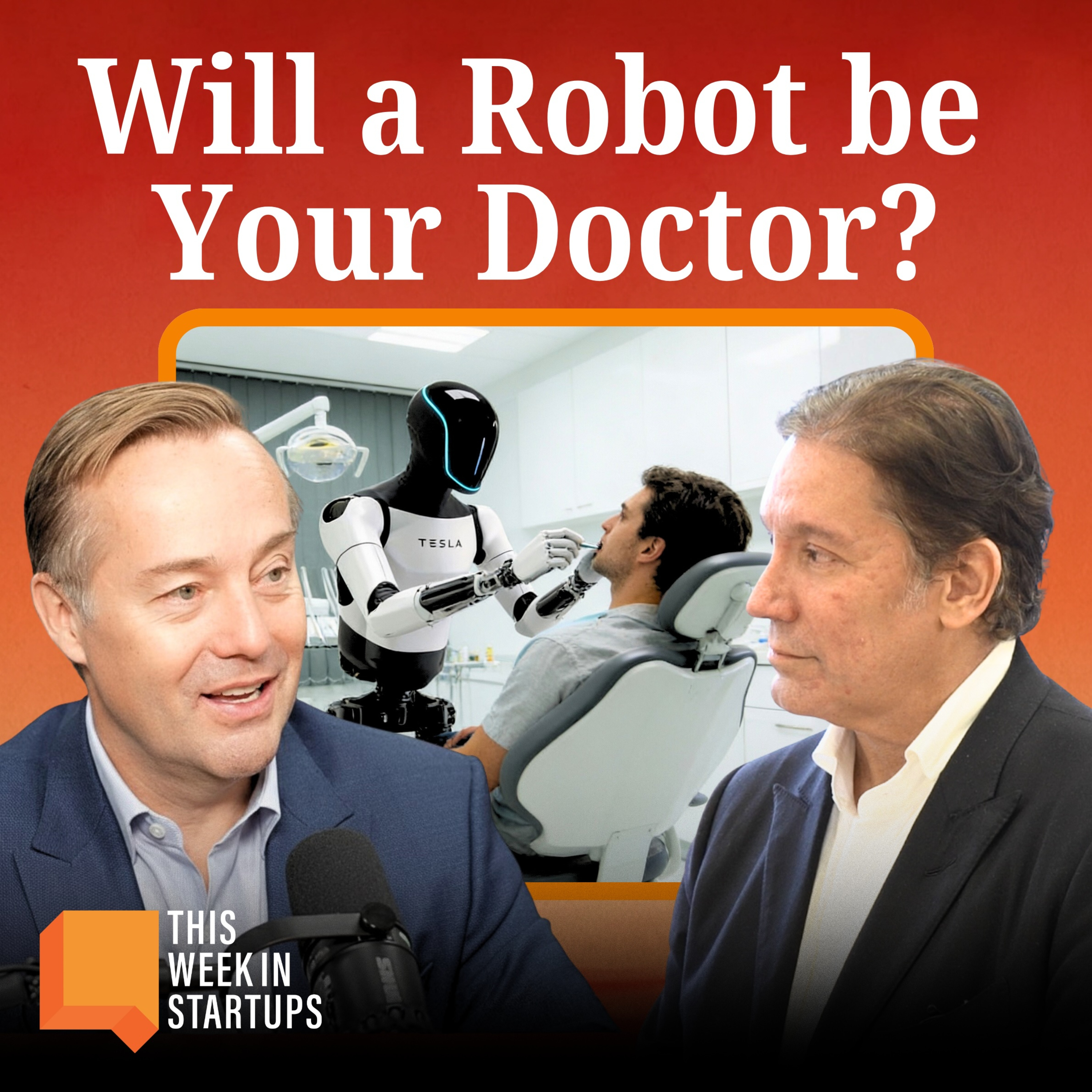
Widespread obesity costs the U.S. hundreds of billions annually. A federal program to negotiate and subsidize GLP-1 drugs to a low monthly cost would be an incredibly effective investment, yielding massive returns in improved public health, productivity, and reduced healthcare spending.

Reactive healthcare systems like US Medicare are financially unsustainable against an aging population, with projections for insolvency by 2035. The only viable path forward is a government-led pivot from reactive disease treatment to proactive, preventative longevity technologies to manage costs and improve healthspan.
Approximately 30% of U.S. healthcare costs are administrative. AI tools like ChatGPT Health can dramatically reduce this bloat for both providers (paperwork automation) and patients (avoiding unnecessary visits for false alarms), effectively slimming down systemic expenses like the popular weight-loss drug.
