Get your free personalized podcast brief
We scan new podcasts and send you the top 5 insights daily.
The administration is scaling back its stated goals for the Iran conflict in real-time. Initial, broader objectives like regime change are being replaced by narrower ones like destroying the navy, as articulated by Senator Marco Rubio. This public shift suggests the original mission was unachievable or poorly planned.

Related Insights
The US military action against Iran lacks a clear off-ramp or stated goal, violating the Powell Doctrine. This ambiguity between objectives like "regime change" and other aims creates strategic confusion and risks prolonged engagement without a defined victory condition.

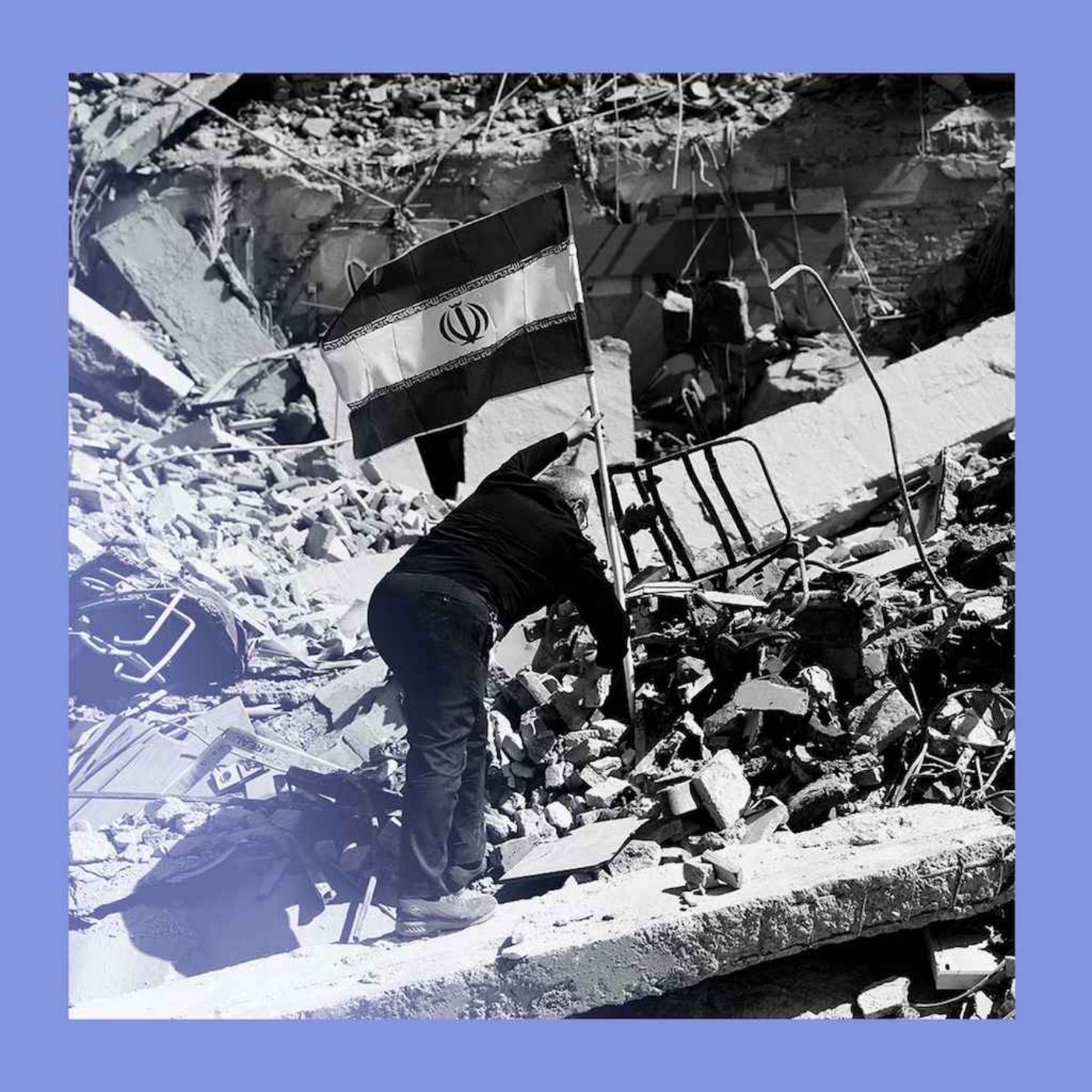
The bombing campaign, aimed at regime change, could be counterproductive. Prior to the conflict, Iran's regime was seen as unpopular and frail, potentially heading for collapse or moderation. The external attack risks creating a rally-round-the-flag effect, allowing the regime to consolidate power where mere survival becomes a victory.
The administration aggressively talks about regime change, making promises to the Iranian opposition. However, the military actions and follow-up policies are not scaled to achieve this ambitious goal, creating a strategic disconnect that undermines the operation's credibility and clarity of purpose.

The specific targeting choices in the initial Iran strikes—leadership, navy warships, and military infrastructure—suggest the primary goal is economic control, specifically securing the Strait of Hormuz. Had the true objective been nuclear deterrence, the focus would have been on destroying nuclear facilities, which was not the case.

Defining success as an ambitious, all-or-nothing outcome like 'regime change' is a critical mistake. Instead, administrations should set clear, measurable military objectives, such as degrading missile capabilities or naval threats. This allows them to define success, declare victory, and create a clear off-ramp for military campaigns.
The hosts describe how quickly public support for the Iran conflict evaporated, terming it a "dramatic vibe shift." This demonstrates the extreme fragility of political capital for major actions. Perceived incompetence can cause a supportive narrative to collapse in just 48 hours, long before strategic objectives can be met.

Despite overwhelming military force, the US lacks a clear, singular objective in its war with Iran. With at least five distinct goals—from targeting nuclear and missile programs to regime change and settling historical scores—it's unclear what constitutes victory, making the application of force dangerously unfocused.
President Trump and his administration are sending contradictory signals on the Iran conflict, simultaneously claiming it is 'very complete' while also preparing for further action. This inconsistency confuses markets and allies, pointing to a severe lack of a coherent and unified strategy within the administration.
The US and Israel are operationally successful in degrading Iran's military capabilities. However, leadership has failed to articulate a coherent strategic objective for the war, making it difficult to define victory or know when the conflict will end.

The US approach to Iran is not traditional regime change with ground troops. Instead, it involves targeted strikes to eliminate key leaders ("decapitation"), creating a power vacuum with the hope that the already revolutionary-minded Iranian public will topple the government from within.