Get your free personalized podcast brief
We scan new podcasts and send you the top 5 insights daily.
Jeff Wu identifies Jake Paul's ability to rapidly switch from being a celebrity, to a training athlete, to a quantitative business negotiator as a rare superpower. This mental agility to operate effectively in vastly different domains is a key trait of high performers.

Related Insights
Elite talent manifests in two primary ways. An individual is either in the top 0.01% on a single dimension (e.g., tenacity, sales), or they possess a rare Venn diagram of skills that don't typically coexist (e.g., a first-rate technologist who is also a first-rate business strategist).
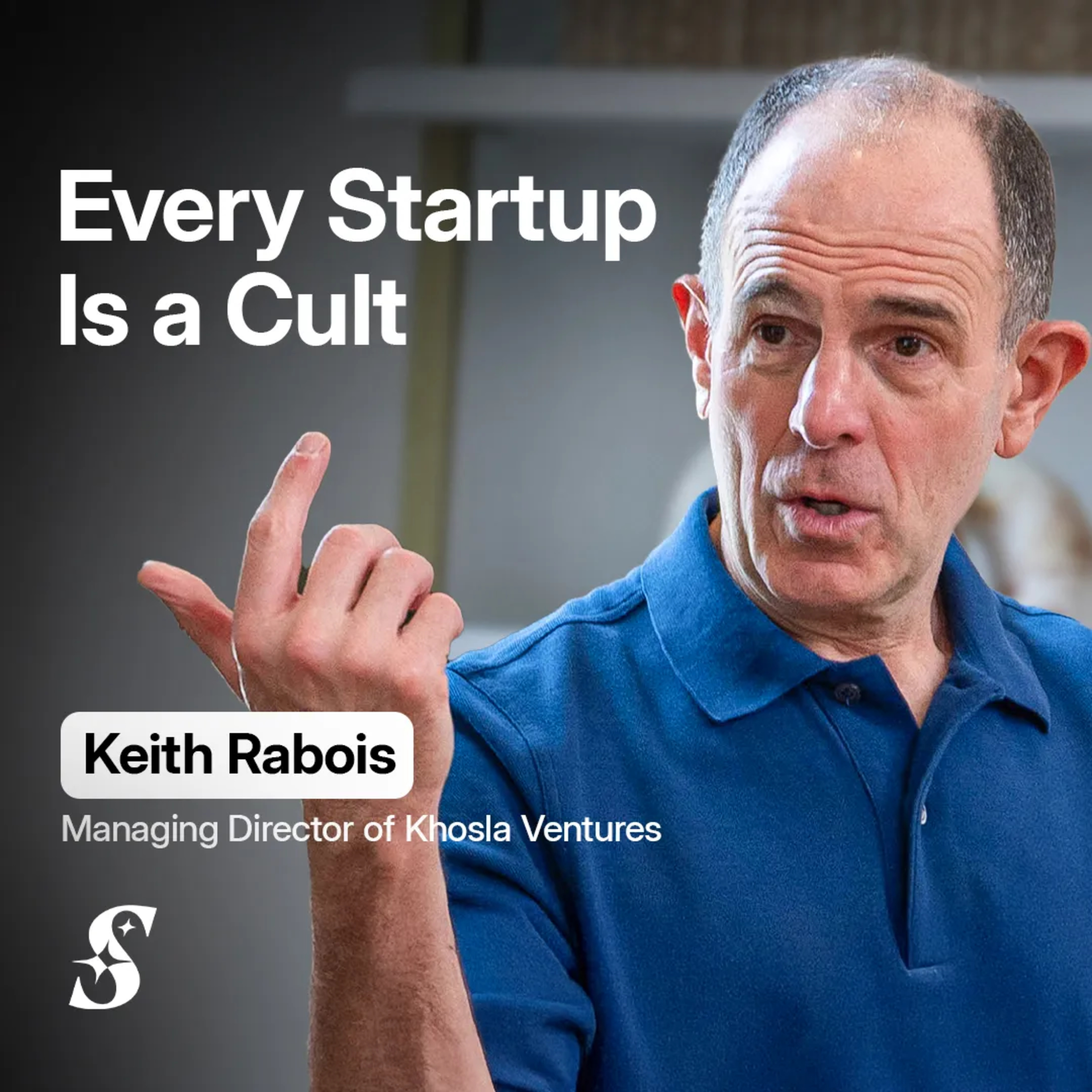
Truly talented people are uneven. Their greatest contributions come from 'superpowers,' which feel effortless and almost thoughtless. They often misattribute their strength to skills that require effort. The key is to identify the effortless talent and avoid their 'kryptonite' weaknesses, not try to fix them.
![Shyam Sankar - Celebrating Heretics - [Invest Like the Best, EP.462] thumbnail](https://megaphone.imgix.net/podcasts/9dee904c-1bbf-11f1-a1a6-0b200fdaa525/image/57910f03f82ede99259c53f5e5404f6a.jpg?ixlib=rails-4.3.1&max-w=3000&max-h=3000&fit=crop&auto=format,compress)
Top performers often exist in a state of constant calculation. The key to sustainable excellence is learning to consciously switch between being 'on the field' (strategizing) and 'off the field' (being present). Deliberately switching off sharpens focus and makes you more effective when you are back 'on'.
![Ari Emanuel - The Anti-AI Bet - [Invest Like the Best, EP.448] thumbnail](https://megaphone.imgix.net/podcasts/c5910280-c4dd-11f0-94be-ab6a7a5865b0/image/1e5a2263eb62fcde200846919e24419a.jpg?ixlib=rails-4.3.1&max-w=3000&max-h=3000&fit=crop&auto=format,compress)
The best leaders have a vertically integrated skillset. They can operate at the 30,000-foot strategic level ("clouds") but are also capable of executing the ground-level, tactical work ("dirt"). This full-stack capability is a hallmark of top talent.

In a world of constant change, the ability to adapt and learn (AQ) is more valuable than raw intelligence (IQ). Studies show employees with high learning agility receive more promotions and salary increases, making AQ the key aptitude for modern professionals seeking advancement.

Nikesh Arora identifies his ability to context switch and rapidly consume information as his core superpower. Being able to absorb a 20-slide deck in a minute and identify the core problem through pattern recognition is more valuable for a CEO than deep, narrow expertise.

The key differentiator for top talent isn't flawless judgment, but a shorter lag time between receiving a signal and responding. Looping thoughts like doubt and hesitation cripple this "decision velocity," stalling conversations and deals. The goal is to make fast, committed decisions and adjust in real-time.

Sustained success requires avoiding the mediocre middle. It's achieved by simultaneously operating at two extremes: maintaining a high-level, resilient mindset free from external validation (the 'clouds') while engaging in relentless, hands-on hard work (the 'dirt').

Jake Paul credits his fast rise in boxing not to raw power but to superior pattern recognition. He sees fighting as a mental exercise of identifying an opponent's repetitive habits and then calculating the precise moment to exploit that pattern.

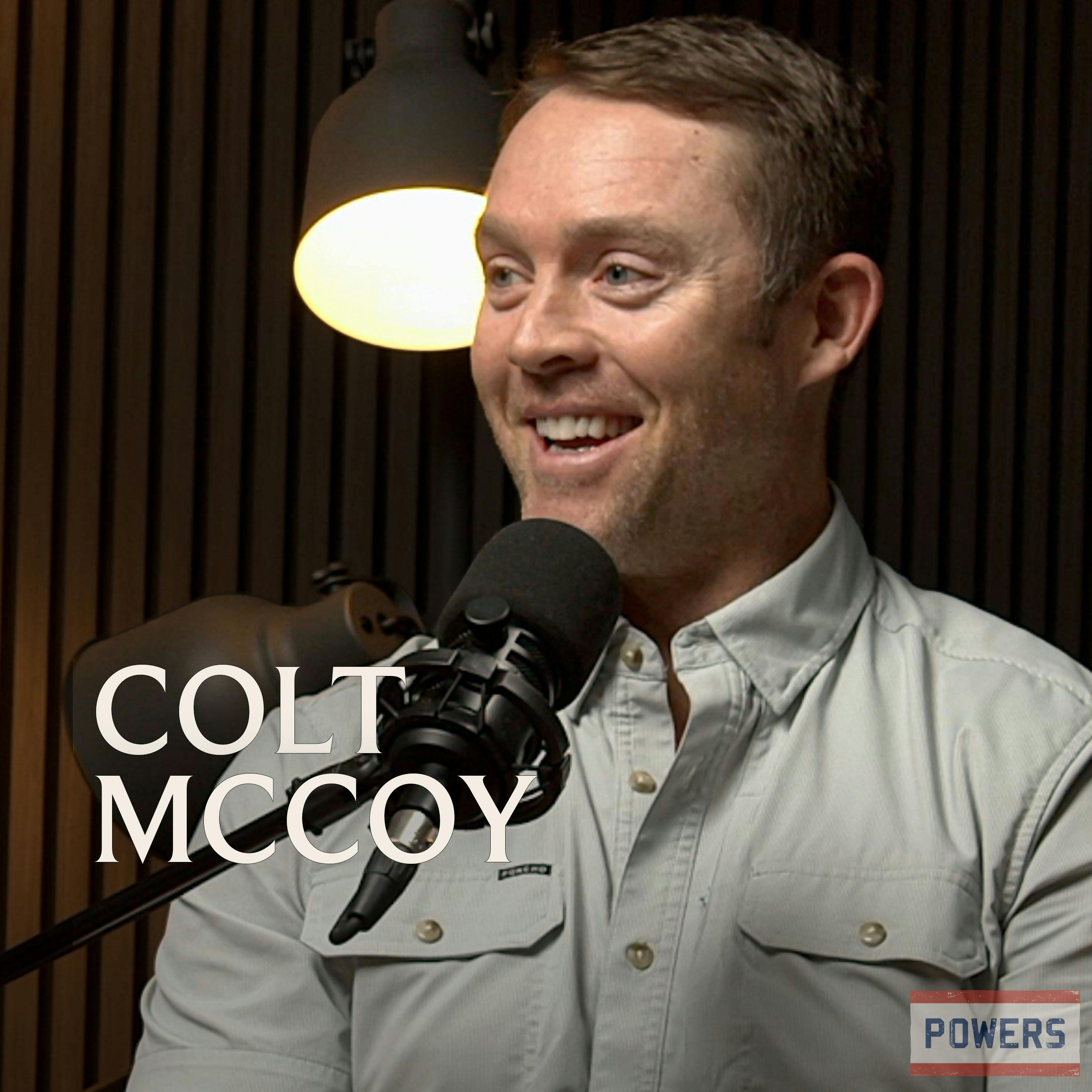
Succeeding NFL phenom Vince Young at Texas, Colt McCoy knew he couldn't match Young's physical gifts. He instead focused his energy on mastering the mental game—deeply understanding schemes, coverages, and play calls—to create his own unique and sustainable competitive advantage.